

What Are Heart Murmurs?
So, What Are Heart Murmurs?
A heart murmur is an extra sound heard during a heartbeat when blood flows through the heart in a way that creates turbulence. Instead of the usual “lub-dub” rhythm, a doctor listening with a stethoscope hears an additional whooshing or swishing noise. Murmurs themselves are not a disease, they are a finding, a clue that may either be entirely harmless or point to an underlying problem with the heart’s structure or function. The job of a cardiologist is to work out which.
In our experience, the vast majority of heart murmurs we assess at our Tunbridge Wells clinic turn out to be either innocent flow murmurs that need no treatment, or mild valve changes that simply need periodic monitoring. From working with patients across Kent and East Sussex since 2006 at West Kent Cardiology Partnership, we have found that the people most often referred to us with a newly detected murmur are reassured rather than diagnosed with a serious condition. That said, a small but important proportion of adult murmurs do indicate valve disease that benefits from early specialist input, which is why every new murmur in an adult is worth investigating properly.
What causes a heart murmur
A normal heartbeat produces two clear sounds caused by the heart valves closing. A murmur is the sound of blood moving in an unusual way, either because it is flowing faster than usual, flowing through a valve that is narrowed or leaking, or passing through an abnormal opening in the heart.
There are two broad categories. Innocent murmurs occur in a structurally normal heart and are simply the sound of blood moving briskly through it. Abnormal, or pathological, murmurs are caused by a real underlying issue, most commonly valve disease in adults or a structural heart defect in children.
In our experience, the louder and harsher a murmur sounds on examination, the more likely it is to need further assessment, although softness alone is not a guarantee that a murmur is innocent. A proper assessment relies on combining what the murmur sounds like with the patient’s history, age, and any other symptoms.
Innocent heart murmurs
Innocent murmurs are the most common type. They occur when blood flows faster than usual through an otherwise healthy heart, producing a soft, short sound that often comes and goes depending on heart rate, posture, or activity.
They are extremely common in childhood. Studies suggest that as many as half of all children will have an audible innocent murmur at some point. Most disappear as the child grows. In adults, innocent murmurs are less common but still occur, particularly during pregnancy, after exercise, during fever, with an overactive thyroid, or in people with anaemia, all situations in which the heart is pumping faster or harder than normal.
From working with patients referred from local GPs, we have found that around 70% of new murmurs picked up in adults under 40 turn out to be innocent once an echocardiogram has confirmed normal heart structure. In our experience, an echocardiogram works better than repeated stethoscope reviews for confirming an innocent murmur, because it provides direct visual evidence that the valves and chambers are normal rather than relying on the listener’s interpretation of the sound.
Abnormal heart murmurs
Abnormal murmurs are caused by a problem with the heart’s structure. In adults, the most common reason is valve disease, where one of the four heart valves either becomes narrowed (stenosis) and restricts blood flow, or leaks (regurgitation) and allows blood to flow backwards.
Common valve problems that produce murmurs include:
Aortic stenosis, in which the aortic valve narrows and the heart has to work harder to push blood out to the body. This often produces a harsh murmur and is the most common valve problem we see in patients over 65.
Mitral regurgitation, in which the mitral valve leaks and allows blood to flow backwards into the upper chamber of the heart. This can range from very mild and harmless to severe and progressive.
Aortic regurgitation and mitral stenosis, both less common but still important causes.
Other causes of abnormal murmurs include congenital problems such as a hole between the heart chambers, hypertrophic cardiomyopathy where the heart muscle becomes abnormally thickened, and infective endocarditis, an infection of the heart’s inner lining or valves.
In our experience, new murmurs that appear in adults over the age of 50 carry a higher likelihood of being significant than those picked up in younger patients. From working with patients, we have found that roughly one in three new murmurs in this age group reflects a degree of valve disease worth monitoring or treating.
Symptoms that may accompany a heart murmur
An innocent murmur produces no symptoms at all. The murmur is the only finding, and the person feels well. Abnormal murmurs, by contrast, may come with symptoms that reflect the underlying problem.
These can include breathlessness on exertion or when lying down, fatigue, swelling of the ankles or legs, palpitations, dizziness or fainting, and chest discomfort. The specific symptoms depend on which valve is affected and how severe the problem is.
In our experience, the combination of a murmur with exertional breathlessness is one of the most important patterns to recognise, particularly in older adults, because it is often the earliest sign of significant valve disease. From working with patients, we have found that mild valve problems can progress slowly over years without symptoms, then become symptomatic relatively suddenly once the heart’s compensation runs out.
How murmurs are graded
Doctors describe murmurs using several features, the timing within the heartbeat, the loudness, the location on the chest where it is heard best, the quality of the sound, and how it changes with breathing or movement.
Loudness is graded from 1 to 6. A grade 1 murmur is very soft and only heard with careful listening, while a grade 6 murmur is loud enough to be heard with the stethoscope barely touching the chest. Timing is equally important. Systolic murmurs occur when the heart contracts, diastolic murmurs occur when it relaxes, and continuous murmurs are heard throughout the heartbeat. Diastolic and continuous murmurs are almost always abnormal and need investigation.
In our experience, timing tells us more than loudness. A soft diastolic murmur is more clinically significant than a loud systolic flow murmur in a young, healthy person.
How heart murmurs are investigated
Assessment begins with a detailed history and examination, paying attention to symptoms, family history, and any cardiac risk factors. The next step is usually an echocardiogram, an ultrasound scan that shows the heart’s chambers and valves in motion and identifies any structural cause for the murmur.
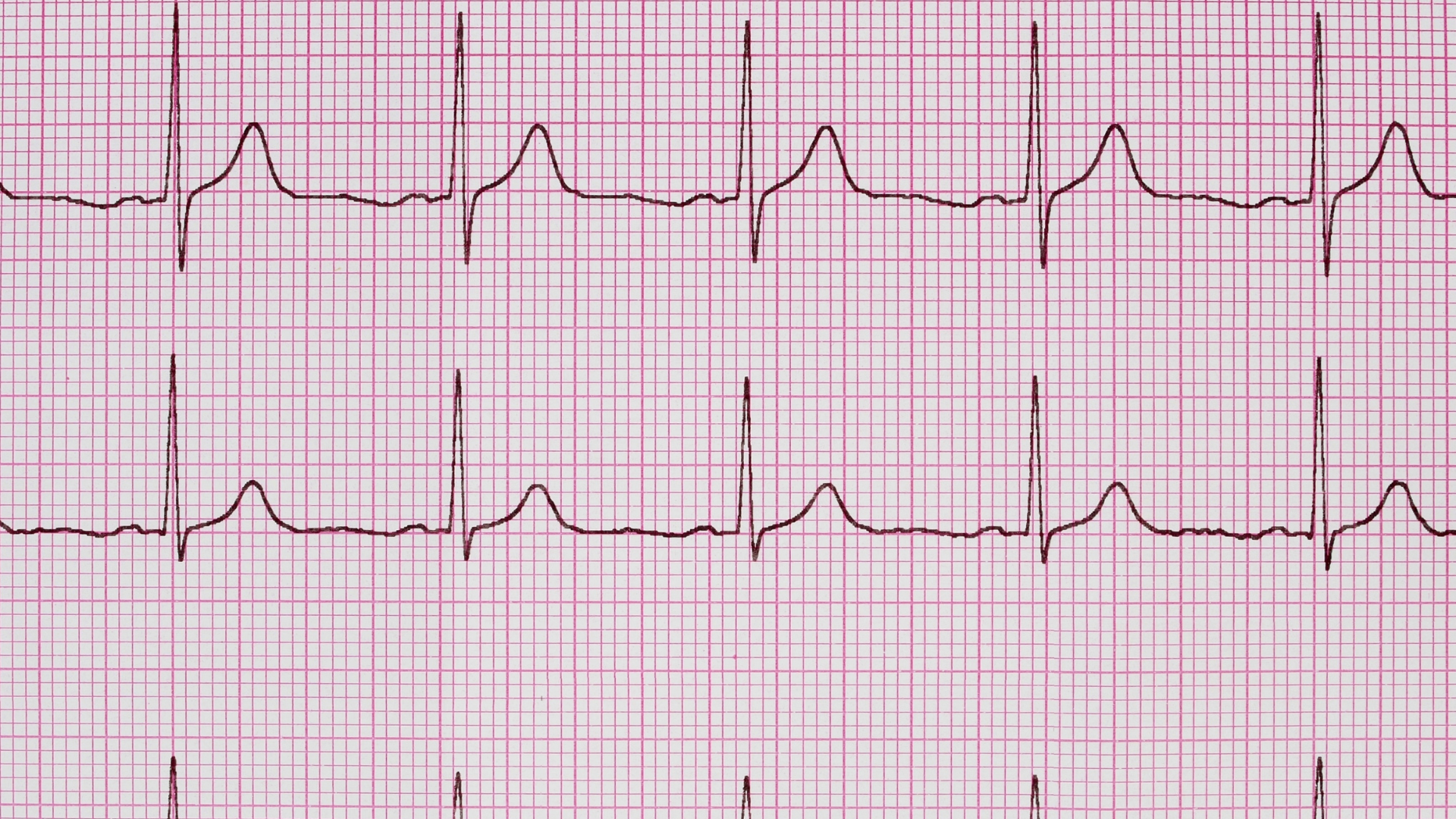
Depending on the findings, additional tests may be helpful. An ECG checks the heart’s electrical activity and rhythm. Blood tests can identify anaemia, thyroid dysfunction, or signs of infection that may be contributing. An exercise stress test is useful when symptoms appear on exertion, and a stress echo study provides a closer look at how the heart and valves behave under load. In selected cases, a transoesophageal echo offers a more detailed view of the valves than a standard scan.
We can usually arrange these investigations on-site at our Warwick Park consulting rooms, with most patients receiving a definitive answer about their murmur within a single visit.
Do all heart murmurs need treatment?
Innocent murmurs need no treatment. Once an echocardiogram has confirmed normal heart structure, no further follow-up is needed and the murmur has no impact on daily life, exercise, pregnancy, or insurance applications.
Abnormal murmurs are managed according to the underlying cause. Mild valve disease often needs only periodic monitoring with repeat echocardiograms every one to two years. Moderate disease may need closer surveillance and medication to protect the heart. Severe valve disease may require valve surgery or, in suitable patients, a less invasive procedure such as TAVI for aortic stenosis.
In our experience, watchful monitoring works better than rushing to surgery for mild to moderate valve disease, because the timing of surgery is critical. From working with patients, we have found that intervening too early exposes patients to unnecessary procedural risk, while intervening too late allows the heart muscle to weaken in ways that are not always reversible. Getting the timing right is one of the most important judgements in valve disease management.
When to seek a cardiology assessment
You should arrange a cardiology assessment if a new heart murmur has been picked up at a routine check or insurance medical, particularly if you are over 40. You should also be seen promptly if a known murmur is associated with breathlessness, fatigue, ankle swelling, palpitations, fainting, or chest discomfort.
For people with no symptoms but a family history of valve disease, cardiomyopathy, or sudden cardiac death, a baseline cardiac assessment such as our HeartScreen programme provides a clear picture of heart structure and function and identifies any silent issues early.
Seek urgent medical attention if you have a murmur and develop sudden severe breathlessness, chest pain, fainting, or a fever with unexplained illness, which can occasionally indicate infective endocarditis.
Conclusion
A heart murmur is a finding, not a diagnosis. Most murmurs, particularly in children and younger adults, are innocent and reflect nothing more than normal blood flow through a healthy heart. In adults over 40, a new murmur is more likely to reflect underlying valve disease and is worth investigating properly with an echocardiogram. The key questions are always the same: is the heart structurally normal, are there any symptoms, and is the underlying cause progressing.
If you have been told you have a heart murmur, whether at a routine appointment, a pre-employment medical, or because of new symptoms, you can contact us, Dr Clive Lawson and Dr Derek Harrington at West Kent Cardiology Partnership, to arrange a consultation and echocardiogram at our Tunbridge Wells clinic, or call us directly on 01892 526726.
