
Aortic Stenosis

What Is Aortic Stenosis?

by WKCPAdmin - in Uncategorized

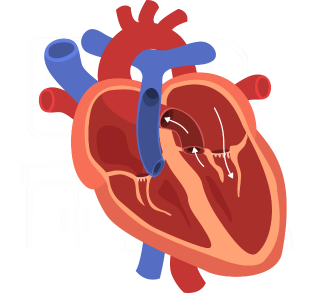
Aortic stenosis is a condition where the aortic valve becomes narrowed, restricting blood flow from the heart to the rest of the body. This forces the heart to work harder to pump blood through the valve. Over time, this added strain can affect heart function and lead to symptoms such as breathlessness, chest discomfort, or

View Full Post
shortness of breath

What heart conditions might shortness of breath indicate

by WKCPAdmin - in Uncategorized

Shortness of breath is a common symptom that many people experience at some point. It can happen during exercise, illness, or even periods of stress. However, when breathlessness becomes persistent, worsens over time, or occurs at rest, it may indicate an underlying heart condition. We often assess patients who are concerned about unexplained breathlessness. In

View Full Post

How Important Are Lifestyle Factors for Heart Health?

by WKCPAdmin - in Uncategorized

Lifestyle factors play a central role in determining your heart health. While genetics and age influence your risk of heart disease, the choices you make day to day often have the greatest impact. Diet, exercise, stress, sleep, and habits such as smoking or alcohol intake all affect how well your heart functions over time. We

View Full Post
bradycardia

What Is Bradycardia?

by WKCPAdmin - in Uncategorized

Bradycardia is a medical term used to describe a heart rate that is slower than normal. In adults, this usually means a resting heart rate below 60 beats per minute. While a slow heart rate can be normal in some people, particularly those who are physically fit, it can also indicate a problem with the

View Full Post

What Is Atrial Flutter?

by WKCPAdmin - in Uncategorized

Atrial flutter is a type of heart rhythm problem, also known as an arrhythmia, where the heart beats faster than normal in a regular but abnormal pattern. It affects the upper chambers of the heart, called the atria, and can lead to symptoms such as palpitations, breathlessness, and fatigue. Although atrial flutter is less common

View Full Post

What Is Tachycardia?

by WKCPAdmin - in Uncategorized

Tachycardia is a medical term used to describe a heart rate that is faster than normal. In adults, a resting heart rate above 100 beats per minute is generally considered tachycardia. While the heart naturally beats faster during exercise or stress, tachycardia refers to an unusually rapid heartbeat that occurs without a normal reason or

View Full Post
heart in skeleton stock image

What Is a Heart Block?

by WKCPAdmin - in Uncategorized

A heart block is a problem with the electrical signals that control your heartbeat. Instead of travelling smoothly from the upper chambers of the heart to the lower chambers, the signal is delayed or completely interrupted. When this happens, the heart may beat more slowly than normal or miss beats altogether. Heart block can range

View Full Post

What Is a Permanent Pacemaker?

by WKCPAdmin - in Uncategorized

A pacemaker is a small medical device that helps control an abnormal heart rhythm. A permanent pacemaker is implanted under the skin, usually near the collarbone, and sends electrical signals to the heart to keep it beating at a safe and steady rate. Pacemakers are most often used to treat slow heart rhythms, a condition

View Full Post

What Are the Common Heart Conditions in Men?

by WKCPAdmin - in Uncategorized

Understanding the common heart conditions in men is important because heart disease remains one of the leading causes of illness and death in the UK. While heart conditions affect both men and women, men often develop certain problems earlier in life and may experience different symptom patterns. Many men delay seeking medical advice. Symptoms are

View Full Post
×

Make an appointment and we’ll contact you.

Contact form

Call us for more information