
What Is a Normal Resting Heart Rate?

What Is a Normal Resting Heart Rate?

by WKCPAdmin - in Uncategorized

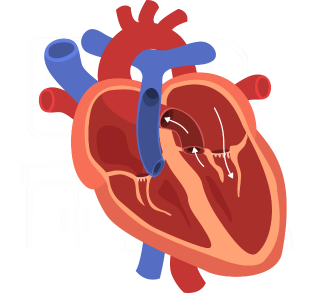
A normal resting heart rate for an adult is between 60 and 100 beats per minute. That is the range used by the British Heart Foundation and by most doctors in the UK. Within it, a lower number usually means the heart is pumping efficiently, and very fit people can sit comfortably below 60 without
View Full Post
CT Coronary Calcium Score

What Is a CT Coronary Calcium Score?

by JM - in Uncategorized

A CT coronary calcium score is a quick, non-invasive scan that measures how much calcium has built up in the walls of the arteries that supply your heart. Calcium in these arteries is a marker of atherosclerosis, the gradual build-up of fatty plaque that causes most heart attacks. The scan takes a few minutes, needs

View Full Post
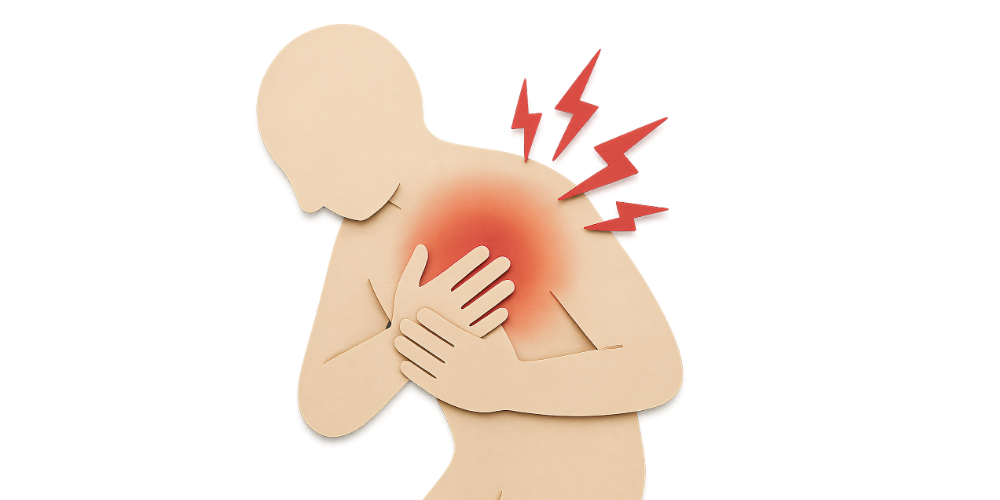
Person holding their chest, illustrating when chest pain needs medical attention

What Heart Conditions Might Anxiety and Restlessness Indicate?

by JM - in Uncategorized

Feelings of anxiety and restlessness are, in the great majority of cases, caused by stress, worry, or an anxiety condition rather than anything wrong with the heart. But there is an important overlap that often causes confusion. The physical sensations we recognise as anxiety, such as a racing heart, restlessness, a tight chest, and a

View Full Post
What Heart Conditions Might Sweating Indicate?

What Heart Conditions Might Sweating Indicate?

by WKCPAdmin - in Uncategorized

Sweating is a normal and essential function that helps the body regulate its temperature, and most of the time it has an obvious and harmless cause such as heat, exercise, a fever, or feeling anxious. But sweating can also be an important warning sign of a heart problem, particularly when it comes on suddenly, without

View Full Post
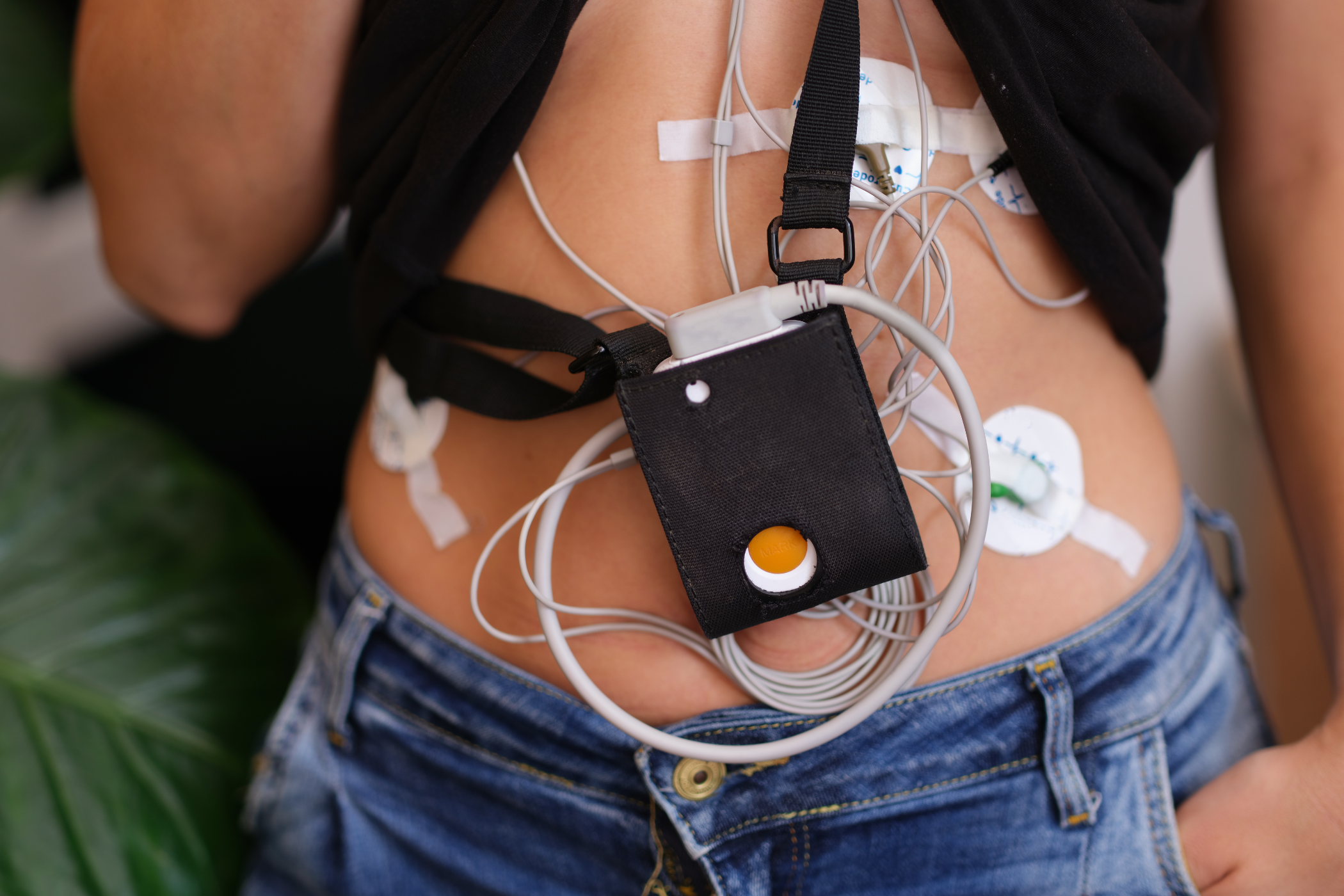
ecg holter monitor

What is an ECQ Holter monitor?

by JM - in Uncategorized

An ECG Holter monitor is a small, portable device that continuously records the electrical activity of your heart over an extended period, usually 24 to 48 hours, while you go about your normal daily life. It works on exactly the same principle as a standard ECG performed in clinic, but instead of capturing a few

View Full Post
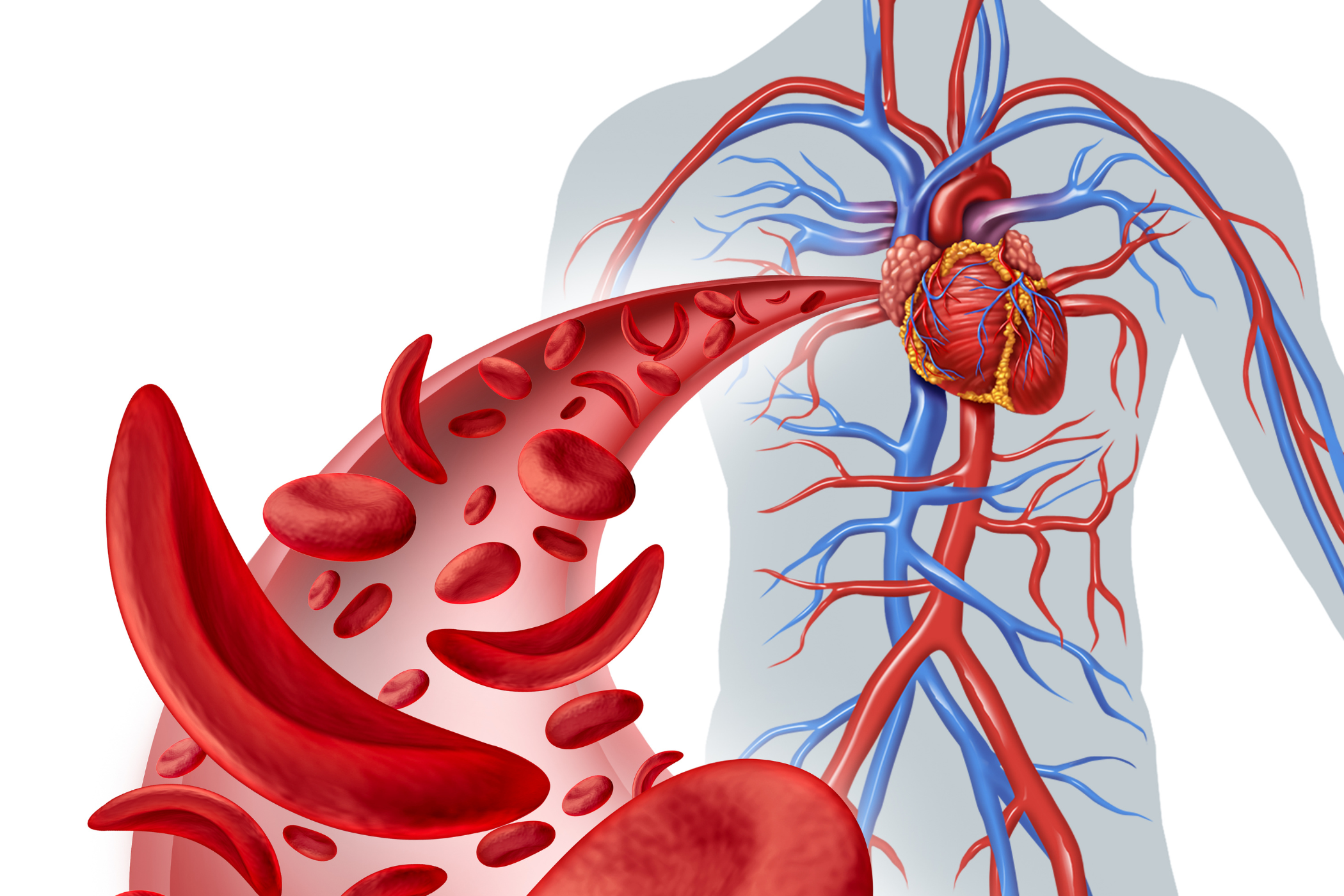
poor circulation

What heart conditions might poor circulation indicate

by JM - in Uncategorized

Poor circulation means blood is not flowing as freely as it should to parts of the body, most often the legs, feet, and hands. It is commonly noticed as cold extremities, numbness or tingling, cramping pain in the legs when walking, or changes in skin colour. While mild poor circulation is often harmless and related

View Full Post
Transoesophageal Echocardiogram (TOE)

What Is a Transoesophageal Echocardiogram (TOE)?

by JM - in Uncategorized

A transoesophageal echocardiogram, usually shortened to TOE, is a detailed ultrasound scan of the heart taken from inside the oesophagus, the food pipe, which lies directly behind the heart. A thin, flexible tube with a small ultrasound probe on its tip is gently passed down the throat, in a similar way to a gastroscopy, so

View Full Post
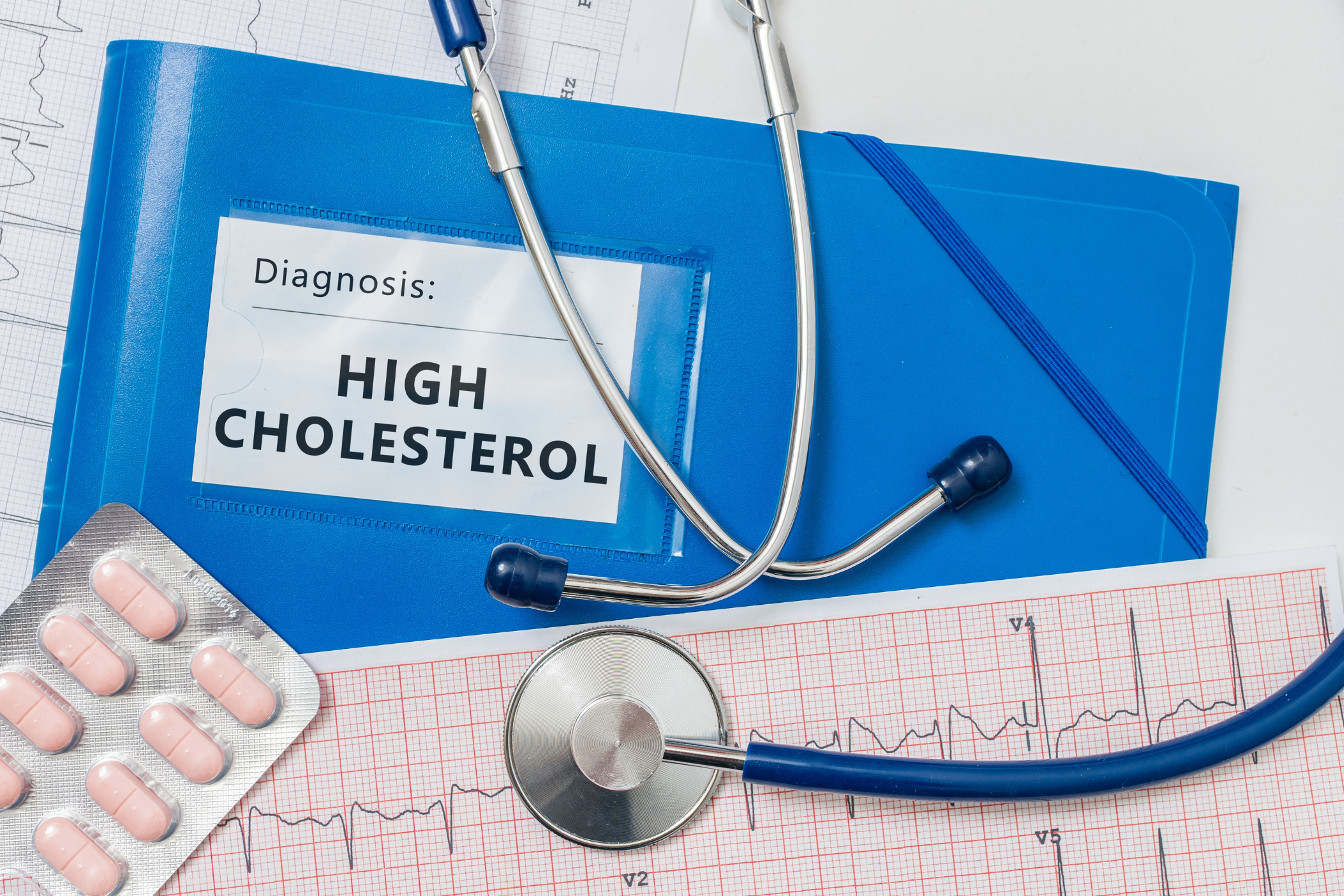
What is High Cholesterol

What is High Cholesterol?

by WKCPAdmin - in Uncategorized

High cholesterol means having too much of a fatty substance called cholesterol in your blood. Cholesterol itself is not harmful. Your body needs it to build cells, make hormones, and produce vitamin D. The problem arises when there is too much of the wrong type circulating in the bloodstream, because over time it builds up

View Full Post
×

Make an appointment and we’ll contact you.

Contact form

Call us for more information