

What heart conditions might poor circulation indicate
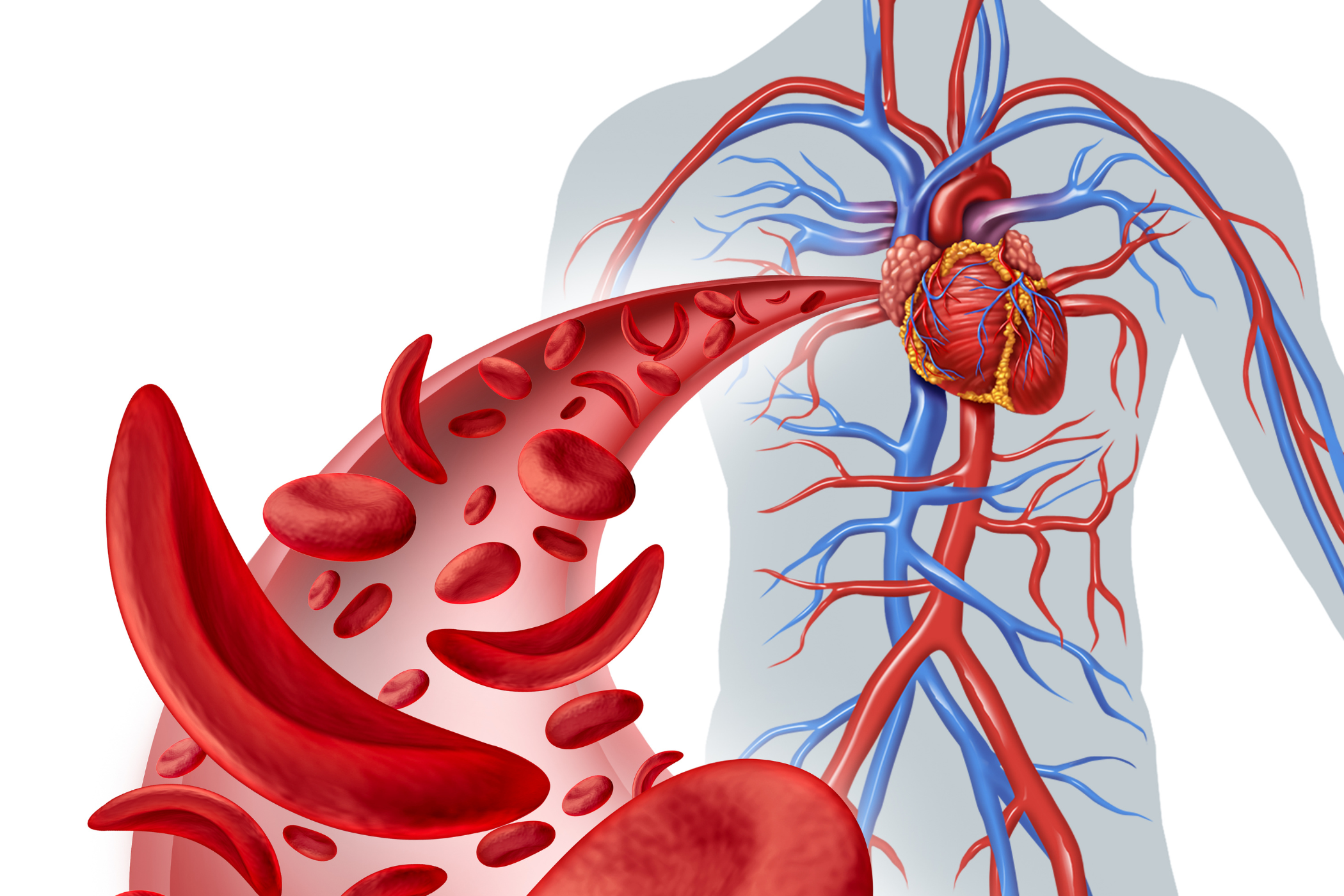
Poor circulation means blood is not flowing as freely as it should to parts of the body, most often the legs, feet, and hands. It is commonly noticed as cold extremities, numbness or tingling, cramping pain in the legs when walking, or changes in skin colour. While mild poor circulation is often harmless and related to things like cold weather or sitting still for long periods, it can also be an important warning sign of an underlying heart or artery problem. The most significant cardiac-linked cause is peripheral arterial disease, a narrowing of the arteries that is driven by the same furring-up process that affects the arteries of the heart.
This is the key point that many people miss. If the arteries supplying your legs are becoming narrowed, there is a strong chance the arteries supplying your heart are affected too. In our experience at our Warwick Park rooms in Tunbridge Wells, poor circulation in the legs is one of the most useful and most overlooked external clues we have to the state of someone’s heart arteries. From working with patients across Kent and East Sussex since 2006 at West Kent Cardiology Partnership, we have found that a significant proportion of patients who come to us with leg symptoms turn out to have coronary artery disease that had not yet caused any chest symptoms.
What poor circulation feels like
The symptoms depend on which part of the body is affected and how severe the narrowing is. Common features include cold hands and feet, numbness or a pins and needles sensation, cramping or aching in the calves, thighs, or buttocks when walking that eases with rest, pale or bluish skin, slow-healing wounds or sores on the feet, and weakened pulses in the feet.
The cramping leg pain on walking, known medically as intermittent claudication, is one of the most characteristic signs of peripheral arterial disease. In our experience, patients often describe having to stop and rest after walking a predictable distance, then being able to carry on once the ache settles. From working with patients, we have found that this pattern, pain that comes on with exertion and eases with rest, is one of the clearest pointers towards narrowed leg arteries rather than a muscular or joint problem.
Peripheral arterial disease
Peripheral arterial disease develops when fatty deposits build up in the walls of the arteries supplying the limbs, narrowing them and reducing blood flow. It shares its root cause, atherosclerosis, with coronary artery disease, and the two frequently occur together. This is why we treat poor circulation not just as a problem in its own right but as a signal to check the whole cardiovascular system.
The risk factors are the same as those for heart disease, including smoking, high cholesterol, high blood pressure, diabetes, and increasing age. Peripheral arterial disease is strongly associated with a raised risk of heart attack and stroke, which is why identifying it early matters so much.
In our experience, treating poor circulation as a marker of whole-body artery health works better than treating the legs in isolation, because the same narrowing that causes leg symptoms is usually present, to some degree, in the arteries of the heart and neck. From working with patients, we have found that addressing the shared risk factors early, particularly stopping smoking and controlling cholesterol, tends to protect the heart at the same time as improving the leg symptoms.
How poor circulation connects to the heart
Because peripheral arterial disease and coronary artery disease are two expressions of the same underlying process, the presence of one raises the likelihood of the other. When significant narrowing is found, treatment may involve procedures to restore blood flow, and understanding the difference between a stent and a bypass is relevant to both leg and heart arteries, as similar techniques are used in each. Recognising poor circulation early therefore gives us the chance to assess and protect the heart before a more serious event occurs.
Heart failure
Poor circulation can also reflect a problem with the heart’s pumping power. In heart failure, the heart cannot pump strongly enough to maintain good blood flow to the whole body, and the extremities are often affected first. Patients may notice persistently cold hands and feet, fatigue in the limbs, and a general sense of reduced stamina. This kind of poor circulation is usually accompanied by breathlessness, tiredness, and sometimes swelling of the ankles.
Atrial fibrillation and blood clots
An irregular heart rhythm such as atrial fibrillation can affect circulation in two ways. The irregular, often inefficient heartbeat can reduce overall blood flow, and more importantly it raises the risk of clots forming in the heart. If a clot travels to an artery in a limb, it can cause a sudden, severe blockage that starves the limb of blood, which is a medical emergency.
Common non-cardiac causes
It is important to keep poor circulation in perspective, because many causes have nothing to do with the heart. Raynaud’s phenomenon, in which small blood vessels in the fingers and toes overreact to cold and spasm, is common and usually harmless. Other frequent causes include cold weather, long periods of sitting or standing, being overweight, inactivity, smoking, diabetes, and problems with the veins rather than the arteries. From working with patients, we have found that the features most likely to indicate an arterial cause worth assessing are exertional leg pain, weak foot pulses, and slow-healing wounds, particularly in someone with cardiovascular risk factors.
How poor circulation is investigated
Assessment begins with a history and examination, including feeling the pulses in the feet and comparing blood pressure in the arms and ankles. Alongside this, we assess the heart with an ECG, blood tests including a cholesterol test, and an echocardiogram where heart function needs checking. Because poor circulation so often signals wider artery disease, we may also recommend an exercise stress test or a CT coronary calcium score to look for narrowing in the heart arteries. Most of these tests can be arranged on-site at our Tunbridge Wells clinic and are included in our HeartScreen programme.
When to seek urgent help
Seek emergency care if a limb suddenly becomes cold, pale, numb, or intensely painful, as this can indicate a sudden blockage of an artery that needs immediate treatment to save the limb. Seek prompt advice for a wound or sore on the foot that will not heal, particularly if you have diabetes, as poor circulation can delay healing and lead to complications.
Conclusion
Poor circulation is often harmless, but it can be an important sign of an underlying heart or artery problem, most notably peripheral arterial disease, which shares its cause with coronary artery disease. The features that should prompt a proper assessment are cramping leg pain on walking, cold or discoloured extremities, weak foot pulses, and slow-healing wounds, especially in anyone with cardiovascular risk factors. Because narrowed arteries in the legs so often signal narrowed arteries in the heart, recognising poor circulation early is a valuable opportunity to protect against a future heart attack or stroke.
If you have noticed persistent poor circulation, particularly with any of these features, it is worth having your heart and circulation properly assessed. You can contact us, Dr Clive Lawson and Dr Derek Harrington at West Kent Cardiology Partnership, to arrange a consultation at our Tunbridge Wells clinic, or call us directly on 01892 526726.
