

What Is the Difference Between a Stent and a Bypass?
What Is the Difference Between a Stent and a Bypass?
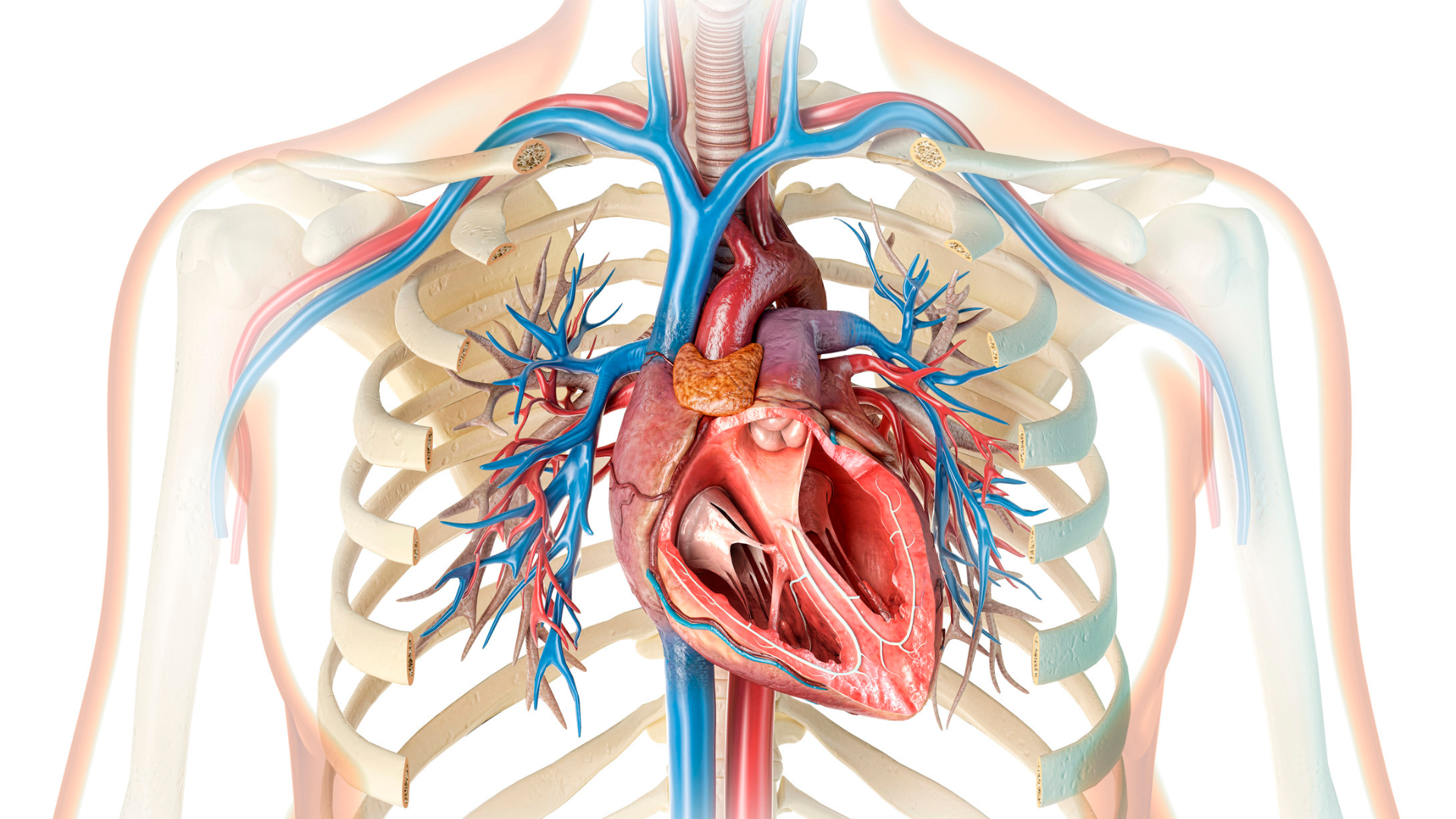
A stent and a bypass are two different procedures used to treat narrowed or blocked coronary arteries, the blood vessels that supply the heart muscle with oxygen. Both improve blood flow to the heart and relieve symptoms such as chest pain and breathlessness, but the way they do it is very different. A stent is inserted through a small wrist or groin puncture and props the artery open from the inside. A bypass involves open heart surgery and reroutes blood around the blockage using a healthy blood vessel taken from elsewhere in the body. Choosing between them depends on how many arteries are affected, where the blockages are, how the heart muscle is functioning, and the patient’s general health.
In our experience at our Tunbridge Wells clinic, the two questions patients most often ask are which procedure they will need, and which is the safer option. From working with patients across Kent and East Sussex since 2006 at West Kent Cardiology Partnership, we have found that neither is universally better. Stents are quicker, less invasive, and have a faster recovery, but bypass surgery tends to give longer lasting results in patients with multiple or complex blockages, particularly those with diabetes.
What a stent is and how it works
A coronary stent is a small mesh tube, usually made of stainless steel or a cobalt alloy, that is inserted into a narrowed coronary artery to hold it open. The procedure is called coronary angioplasty and stenting, or percutaneous coronary intervention (PCI).
A thin catheter is threaded into the coronary artery through a puncture in the wrist or groin. A small balloon at the tip of the catheter is inflated at the site of the narrowing, which presses the plaque against the artery wall and widens the channel. The stent is then deployed to keep the artery open permanently. Most modern stents are drug-eluting, meaning they are coated with medication that slowly releases over time to reduce the chance of the artery narrowing again.
The procedure usually takes around 30 to 90 minutes, is performed under local anaesthetic with sedation, and most patients go home the same day or the following morning. Recovery is fast, with most people back to normal activities within a week.
What a bypass is and how it works
A coronary artery bypass graft, often called a CABG (pronounced “cabbage”), is an open heart operation. Instead of opening the narrowed artery from the inside, the surgeon creates a new pathway around the blockage using a healthy blood vessel taken from the chest, arm, or leg.
The operation usually takes three to six hours under general anaesthetic. The breastbone is opened, and in most cases the heart is temporarily stopped while a heart-lung machine takes over its function. The graft is then attached above and below the blockage, allowing blood to flow around it. Multiple grafts can be created in a single operation, which is why bypass surgery is particularly useful when several arteries are affected.
Patients usually stay in hospital for around a week and need around 6 to 12 weeks of recovery before returning to full activity. Most people are able to drive after about 6 weeks and return to work, depending on the role, between 6 and 12 weeks after surgery.
Comparing the two procedures
The headline differences come down to invasiveness, recovery, durability, and suitability.
A stent is minimally invasive, involves no open surgery, has a hospital stay measured in hours rather than days, and a recovery of around a week. A bypass involves open heart surgery, a week-long hospital stay, and a recovery measured in months. Both relieve symptoms of angina and reduce the risk of further heart events, but they suit different patients.
Stents work well for one or two discrete blockages in accessible arteries, particularly when the heart’s pumping function is otherwise normal. They are also the standard emergency treatment for an acute heart attack, where a blocked artery needs to be reopened within hours to limit damage to the heart muscle, including in cases of a silent heart attack where the event has only been picked up after the fact.
Bypass surgery tends to give better long term results for patients with multiple complex blockages, blockages in the left main coronary artery, blockages combined with reduced heart pumping function, or diabetes. BHF data shows the number of bypass operations has fallen by around a third over the past decade as stent technology has improved, but bypass remains the preferred option in around 1 in 5 of the patients we see with significant coronary disease.
Which is better in our experience
In our experience, stents work better than bypass surgery for single-vessel disease in patients with good overall heart function, because the recovery is dramatically shorter and the short term risks are lower. From working with patients, we have found that around 70% of patients we refer for revascularisation are suitable for stenting rather than surgery, and the vast majority are back to normal activity within seven to ten days.
For patients with three-vessel disease, left main disease, or diabetes, however, bypass surgery tends to work better than stenting in the long term, because grafts (particularly those taken from the chest wall) have very long durability and the surgical approach allows multiple blockages to be addressed in one go. The trade-off is a much bigger initial procedure and a longer recovery.
How the decision is made
The decision between stent and bypass is made by a cardiology team after a full assessment, usually including an echocardiogram, an exercise stress test or stress imaging, and a coronary angiogram or CT coronary angiogram to map the location and severity of the blockages. The cardiologist and a cardiac surgeon will often review complex cases together to recommend the best approach.
In our experience, the most useful thing patients can do before this conversation is understand which factors matter most to them, such as recovery time, durability of result, willingness to undergo open surgery, and any concerns about general anaesthetic. From working with patients, we have found that patients who arrive at the consultation with these priorities clear are able to make a more confident, informed choice between the two options.
When to seek a cardiology assessment
You should arrange a cardiology assessment if you have new or worsening chest pain, breathlessness on exertion that is not improving, known coronary artery disease that is being managed with medication alone but symptoms are changing, or strong risk factors such as a family history of early heart disease combined with diabetes, high blood pressure, or high cholesterol. For people with risk factors but no symptoms, our HeartScreen programme provides a complete baseline cardiac assessment in around two hours.
Conclusion
Stents and bypass surgery are both effective treatments for narrowed coronary arteries, but they are very different procedures. A stent is a minimally invasive way to open a blocked artery from the inside, with a fast recovery and a hospital stay of less than a day. A bypass is open heart surgery that reroutes blood around the blockage and is the preferred option for patients with multiple or complex blockages, particularly those with diabetes or reduced heart function. The right choice depends on the pattern of disease, the heart’s overall function, and the patient’s wider health.
If you have been diagnosed with coronary artery disease or have symptoms that suggest it, the best step is a proper assessment to understand which treatment is most appropriate for you. You can contact us, Dr Clive Lawson and Dr Derek Harrington at West Kent Cardiology Partnership, to arrange a consultation at our Tunbridge Wells clinic, or call us directly on 01892 526726.
