
what is Cardiomyopathy
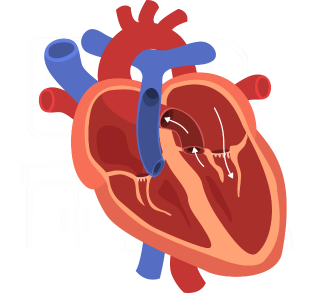
Cardiomyopathy is a group of diseases that affect the heart muscle itself, changing how it contracts, relaxes, or conducts electrical signals. The word simply means disease of the heart muscle (the myocardium). In practical terms, cardiomyopathy makes it harder for the heart to pump blood efficiently around the body, either because the muscle becomes enlarged and weak, abnormally thickened, or stiff and unable to fill properly. It is different from coronary artery disease, where the problem lies in the blood vessels supplying the heart rather than the muscle itself.
Cardiomyopathy is more common than many people realise. Dilated cardiomyopathy affects around 1 in 250 people in the UK, and hypertrophic cardiomyopathy affects around 1 in 500, though many go undiagnosed because they have no symptoms. In our experience at our Warwick Park rooms in Tunbridge Wells, cardiomyopathy is one of the most important diagnoses we look for in patients with unexplained breathlessness, palpitations, or a family history of heart problems or sudden death at a young age. From working with patients across Kent and East Sussex since 2006 at West Kent Cardiology Partnership, we have found that early diagnosis makes a substantial difference, because many forms of cardiomyopathy can be managed effectively with medication, lifestyle adjustment, and in some cases devices, particularly when picked up before symptoms become advanced.
The main types of cardiomyopathy
There are several distinct types, each affecting the heart muscle in a different way.
Dilated cardiomyopathy is the most common type. The main pumping chamber, the left ventricle, becomes enlarged and stretched, and the muscle wall thins and weakens. The chamber fills with blood but cannot squeeze effectively, which leads to a gradual reduction in the heart’s pumping power and, over time, to heart failure. It can be inherited, but it can also follow a viral infection, heavy alcohol use, certain medications, or pregnancy, and in many cases the cause is never identified.
Hypertrophic cardiomyopathy is a genetic condition in which the heart muscle becomes abnormally thickened, particularly the wall of the left ventricle and the septum between the two sides of the heart. The thickened muscle becomes stiff and can obstruct the flow of blood out of the heart. Hypertrophic cardiomyopathy is the most common inherited heart condition and is one of the leading causes of sudden cardiac death in young people and athletes. A child of someone with the condition has a 50 percent chance of inheriting it.
Restrictive cardiomyopathy is the least common of the main types. The walls of the ventricles become rigid and cannot relax and fill properly between beats, even though the pumping action may initially be preserved. It can be caused by conditions that deposit abnormal material in the heart muscle, such as amyloidosis.
Arrhythmogenic cardiomyopathy is an inherited condition in which muscle tissue is gradually replaced by fatty and fibrous tissue, particularly in the right ventricle. This disrupts the electrical signals and can cause dangerous heart rhythms.
Takotsubo cardiomyopathy, sometimes called broken heart syndrome, is a temporary condition often triggered by severe emotional or physical stress. It can mimic a heart attack but usually recovers over weeks.
What causes cardiomyopathy
The causes fall into three broad groups. Some cardiomyopathies are genetic, caused by a change in one or more genes and passed down through families. Others are acquired, developing as a result of another condition or exposure such as a viral infection, long term heavy alcohol use, uncontrolled high blood pressure, certain chemotherapy drugs, or pregnancy. A third group is related to another underlying disease, such as amyloidosis or a connective tissue disorder.
In many cases, particularly with dilated cardiomyopathy, no cause is ever found. This is called idiopathic cardiomyopathy.
In our experience, the genetic forms are the most important to identify early, because diagnosis has implications not just for the patient but for their close relatives. From working with patients, we have found that when we diagnose an inherited cardiomyopathy, screening first-degree relatives frequently uncovers others who have the condition but have not yet developed symptoms, allowing them to be monitored and treated before any problem arises.
Symptoms of cardiomyopathy
In the early stages, many people with cardiomyopathy have no symptoms at all, and the condition is sometimes picked up incidentally on an ECG, echocardiogram, or during family screening. As it progresses, the most common symptoms include breathlessness, particularly on exertion or when lying flat, fatigue, swelling of the ankles and legs, palpitations, dizziness, and in some cases chest discomfort or fainting.
The pattern of symptoms depends on the type. Dilated cardiomyopathy tends to produce the symptoms of heart failure. Hypertrophic cardiomyopathy more often causes palpitations, chest tightness on exertion, and fainting, particularly during or just after physical activity.
In our experience, the symptom that most often brings cardiomyopathy to light is exertional breathlessness that has been slowly worsening over months and has been put down to age or being out of condition. From working with patients, we have found that unexplained breathlessness in a younger or otherwise healthy person, particularly with any family history of heart problems, should always prompt a proper cardiac assessment rather than reassurance alone.
Why early diagnosis matters
One of the most serious concerns with certain cardiomyopathies, particularly hypertrophic and arrhythmogenic types, is the risk of dangerous heart rhythms that can, in a small number of cases, lead to cardiac arrest. This is why cardiomyopathy is a leading cause of sudden cardiac death in young, apparently healthy people, including athletes.
In our experience, identifying who is at higher risk of a dangerous rhythm is one of the most valuable things a cardiology assessment can do, because for the small group at genuinely elevated risk, an implantable defibrillator can be lifesaving. From working with patients, we have found that thorough risk assessment reassures the great majority, who turn out to be at low risk and can be managed with medication and monitoring alone.
How cardiomyopathy is diagnosed
Assessment begins with a detailed history, including family history, and a clinical examination. The most important initial tests are an ECG to look at the heart’s electrical activity and an echocardiogram, which is the key test for cardiomyopathy because it shows the thickness of the heart muscle, the size of the chambers, and how well the heart is pumping.
Further tests often include blood tests to look for underlying causes and markers of heart strain, and ambulatory monitoring with a 24-hour ECG recording or 7-day cardiac event recorder to detect abnormal rhythms. An exercise stress test helps assess how the heart behaves under load, and a cardiac MRI is often used to look at the heart muscle in fine detail. Where an inherited cause is suspected, genetic testing and family screening may be recommended. Most of these investigations can be arranged on-site at our Tunbridge Wells clinic.
How cardiomyopathy is treated
There is often no cure for cardiomyopathy, but in most cases it can be managed effectively, and treatment aims to control symptoms, slow progression, and reduce the risk of complications. Treatment depends heavily on the type and severity.
Medication is the foundation for most patients and may include drugs to help the heart pump more effectively, control heart rate and rhythm, lower blood pressure, and remove excess fluid. Lifestyle measures such as limiting alcohol, staying at a healthy weight, and adjusting the type and intensity of exercise are important, particularly in hypertrophic cardiomyopathy where very high intensity exercise may need to be avoided.
For selected patients, devices play a role. A permanent pacemaker or an implantable defibrillator may be recommended depending on the rhythm risk, and cardiac resynchronisation therapy can help coordinate the pumping action in some patients with heart failure. In advanced cases that do not respond to other treatment, more specialist options including heart transplant may be considered.
In our experience, medication combined with careful monitoring works better than a watch-and-wait approach for most patients with a confirmed cardiomyopathy, because starting treatment early tends to preserve heart function for longer and reduces the likelihood of emergency problems later. From working with patients, we have found that those who engage with regular follow-up and take their medication consistently generally do very well and maintain a good quality of life for many years.
When to seek a cardiology assessment
You should arrange a cardiology assessment if you have unexplained breathlessness, palpitations, dizziness, or fainting, particularly on exertion, or if you have a family history of cardiomyopathy, heart failure at a young age, or sudden unexplained death under the age of 40. Anyone who has a close relative diagnosed with an inherited cardiomyopathy should be offered screening even if they feel completely well.
For people with a family history but no symptoms, our HeartScreen programme provides a thorough baseline assessment of heart structure and function in around two hours.
When to seek urgent help
Call 999 if you experience severe breathlessness, chest pain, fainting, or collapse, or if someone loses consciousness and is not breathing normally, as these can indicate a dangerous rhythm or cardiac arrest requiring emergency treatment.
Conclusion
Cardiomyopathy is a disease of the heart muscle that affects how well the heart pumps, and it comes in several forms, the most common being dilated and hypertrophic cardiomyopathy. Many people have no symptoms in the early stages, which is why unexplained breathlessness, palpitations, or a family history of heart problems or sudden death should always be taken seriously. With early diagnosis, the great majority of patients can be managed effectively with medication, lifestyle measures, and, where needed, devices.
If you have symptoms that concern you, or a family history of cardiomyopathy or sudden cardiac death, the most important step is a proper assessment of your heart. You can contact us, Dr Clive Lawson and Dr Derek Harrington at West Kent Cardiology Partnership, to arrange a consultation at our Tunbridge Wells clinic, or call us directly on 01892 526726.
