

What Is Tachycardia?
Tachycardia is a medical term used to describe a heart rate that is faster than normal. In adults, a resting heart rate above 100 beats per minute is generally considered tachycardia. While the heart naturally beats faster during exercise or stress, tachycardia refers to an unusually rapid heartbeat that occurs without a normal reason or continues longer than expected.
Some episodes of tachycardia are harmless and short lived. Others may indicate an underlying heart rhythm problem that requires investigation. At West Kent Cardiology Partnership, we regularly assess patients who experience rapid heartbeats, helping determine whether the cause is benign or requires treatment.
How the Heart Rate Is Controlled
The heart beats because of electrical signals generated by the heart’s natural pacemaker, known as the sinus node. These signals travel through the heart in a precise sequence, causing the heart muscle to contract and pump blood around the body.
Under normal circumstances, the heart rate changes depending on the body’s needs. Physical activity, stress, illness, or caffeine can increase the rate temporarily. When the electrical signals become disrupted, however, the heart may beat faster than it should. This abnormal increase in heart rate is known as tachycardia.
Types of Tachycardia
Tachycardia can originate in different parts of the heart. The location of the abnormal electrical signal helps determine the type of tachycardia.
Sinus Tachycardia
Sinus tachycardia occurs when the sinus node produces signals more quickly than usual. This is often a normal response to physical activity, anxiety, fever, dehydration, or certain medications. In most cases, sinus tachycardia resolves once the underlying cause settles. It rarely requires specific treatment.
Supraventricular Tachycardia (SVT)
Supraventricular tachycardia refers to rapid heart rhythms that originate in the upper chambers of the heart. These episodes often begin and end suddenly.
People with SVT may feel their heart racing or pounding in the chest. Episodes can last from a few seconds to several minutes or longer. Although SVT is often not life threatening, frequent episodes can be distressing and may require treatment.
Atrial Fibrillation
Atrial fibrillation is one of the most common causes of tachycardia. In this condition, the upper chambers of the heart beat irregularly and often rapidly.
The heartbeat becomes uneven, and the pulse may feel irregular. Some people experience palpitations, breathlessness, or fatigue, while others have no noticeable symptoms. Atrial fibrillation requires careful assessment because it increases the risk of stroke.
Ventricular Tachycardia
Ventricular tachycardia originates in the lower chambers of the heart. This type of tachycardia is less common but more serious.
It often occurs in people with underlying heart disease or previous heart damage. Symptoms may include dizziness, chest pain, or fainting. Ventricular tachycardia requires urgent medical attention and specialist treatment.
Symptoms of Tachycardia
Symptoms vary depending on the type of tachycardia and how fast the heart is beating. Some people notice clear symptoms, while others discover the condition during routine testing. Common symptoms include palpitations, which feel like a racing or pounding heartbeat. Some people experience breathlessness, dizziness, or fatigue during episodes. If the heart rate becomes extremely fast, it may reduce blood flow to the brain and cause fainting or severe light headedness.
What Causes Tachycardia?
Tachycardia can develop for many different reasons. Some causes are temporary and related to lifestyle or illness. Others reflect underlying heart conditions. Common triggers include stress, anxiety, caffeine, alcohol, dehydration, infection, and fever. Certain medications and thyroid disorders can also increase heart rate. Heart related causes include arrhythmias, coronary artery disease, heart valve problems, and cardiomyopathy. Identifying the underlying cause is essential in deciding whether treatment is needed.
How Tachycardia Is Diagnosed
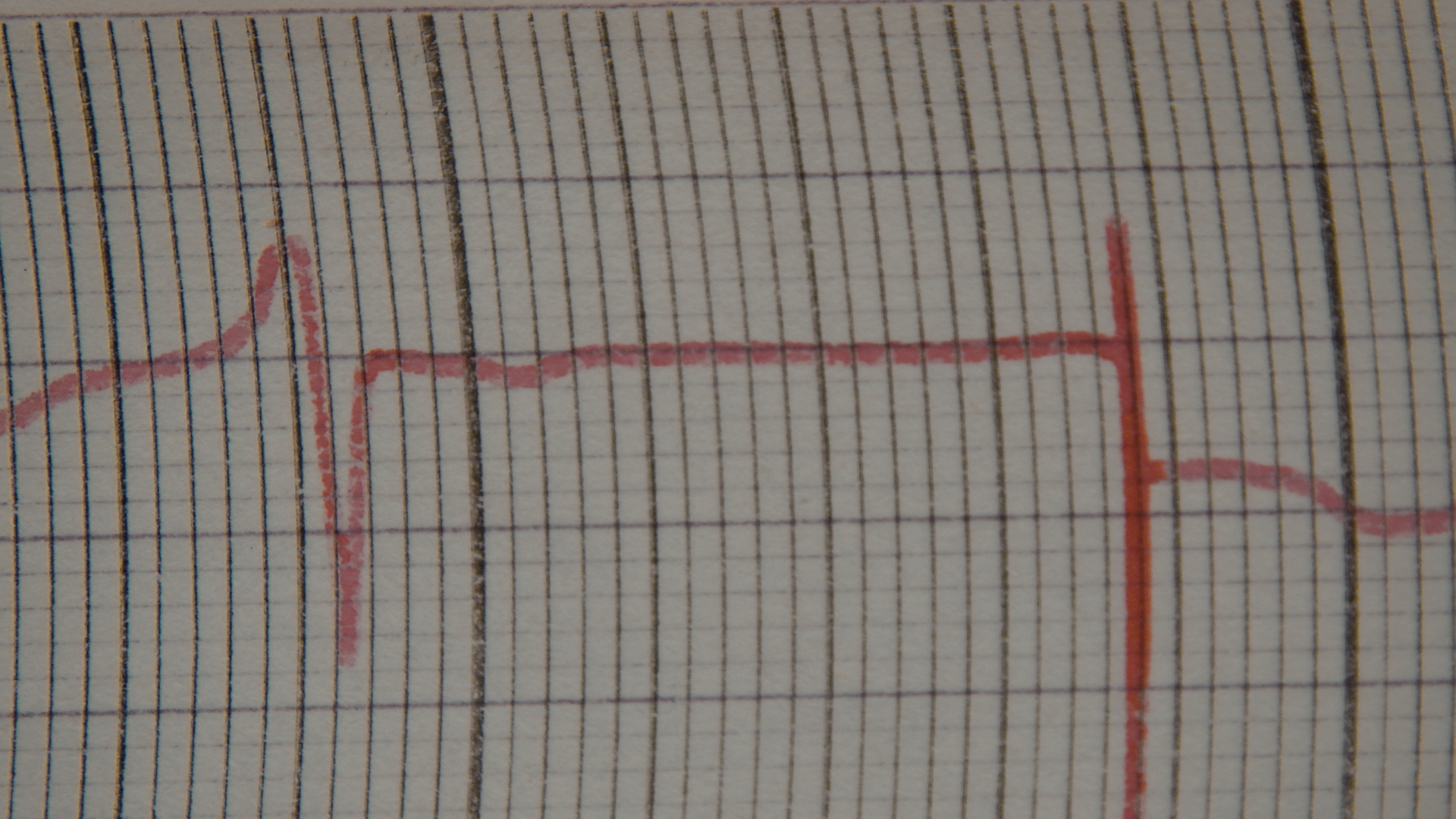
Diagnosis usually begins with an ECG, which records the electrical activity of the heart. An ECG can show whether the heart rhythm is fast, irregular, or abnormal in other ways. Because some episodes come and go, longer term monitoring may be required. This involves wearing a small portable device that records the heart rhythm over 24 hours or longer. Additional tests may include echocardiography to assess heart structure, blood tests to check for underlying conditions, and exercise testing if symptoms occur during physical activity.
How Tachycardia Is Treated
Treatment depends on the cause and severity of the condition. If tachycardia results from stress, caffeine, or dehydration, addressing these factors may resolve the problem. When tachycardia results from an arrhythmia, medication may be used to control heart rate or restore normal rhythm. In some cases, procedures such as cardioversion or catheter ablation may be recommended.
For more serious rhythm problems, additional treatments may be required to protect heart function and reduce long term risk. We supply treatment plans that are tailored to each patient, taking into account symptoms, medical history, and lifestyle.
When Should You Seek Medical Advice?
Occasional brief episodes of a fast heartbeat are common and often harmless. However, repeated episodes, persistent rapid heart rate, or symptoms such as dizziness or chest discomfort should always be assessed. You should seek urgent medical attention if a fast heartbeat occurs alongside chest pain, collapse, or severe breathlessness. If you are experiencing frequent palpitations or unexplained episodes of rapid heart rate, you can contact us here to arrange a cardiology consultation.
Preventing Tachycardia Episodes
Lifestyle habits can influence heart rhythm. Staying well hydrated, limiting caffeine and alcohol, managing stress, and maintaining regular physical activity all support heart health. Managing underlying conditions such as high blood pressure or thyroid disorders also reduces the risk of rhythm disturbances. Regular medical reviews ensure early detection if heart rhythm changes occur.
Conclusion
Tachycardia refers to a heart rate that is faster than normal at rest. While some episodes occur as a normal response to activity or stress, others may indicate underlying heart rhythm problems. Understanding the cause of a rapid heartbeat is essential for determining whether treatment is needed. Early assessment helps identify serious conditions and provides reassurance when the rhythm is harmless. If you are concerned about a fast or irregular heartbeat, you can also call us on 01892 526726 to arrange a consultation and take the next step towards protecting your heart health.
