

Cardioversion stock image

What Is Cardioversion?

by WKCPAdmin - in Uncategorized

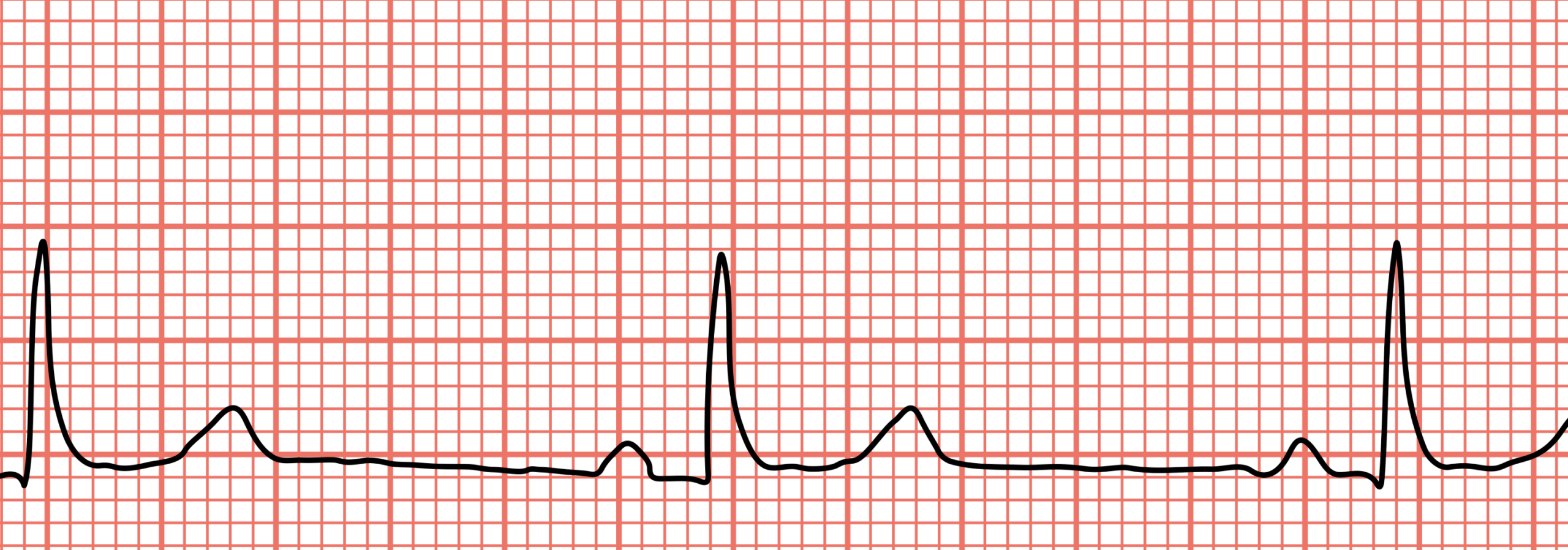
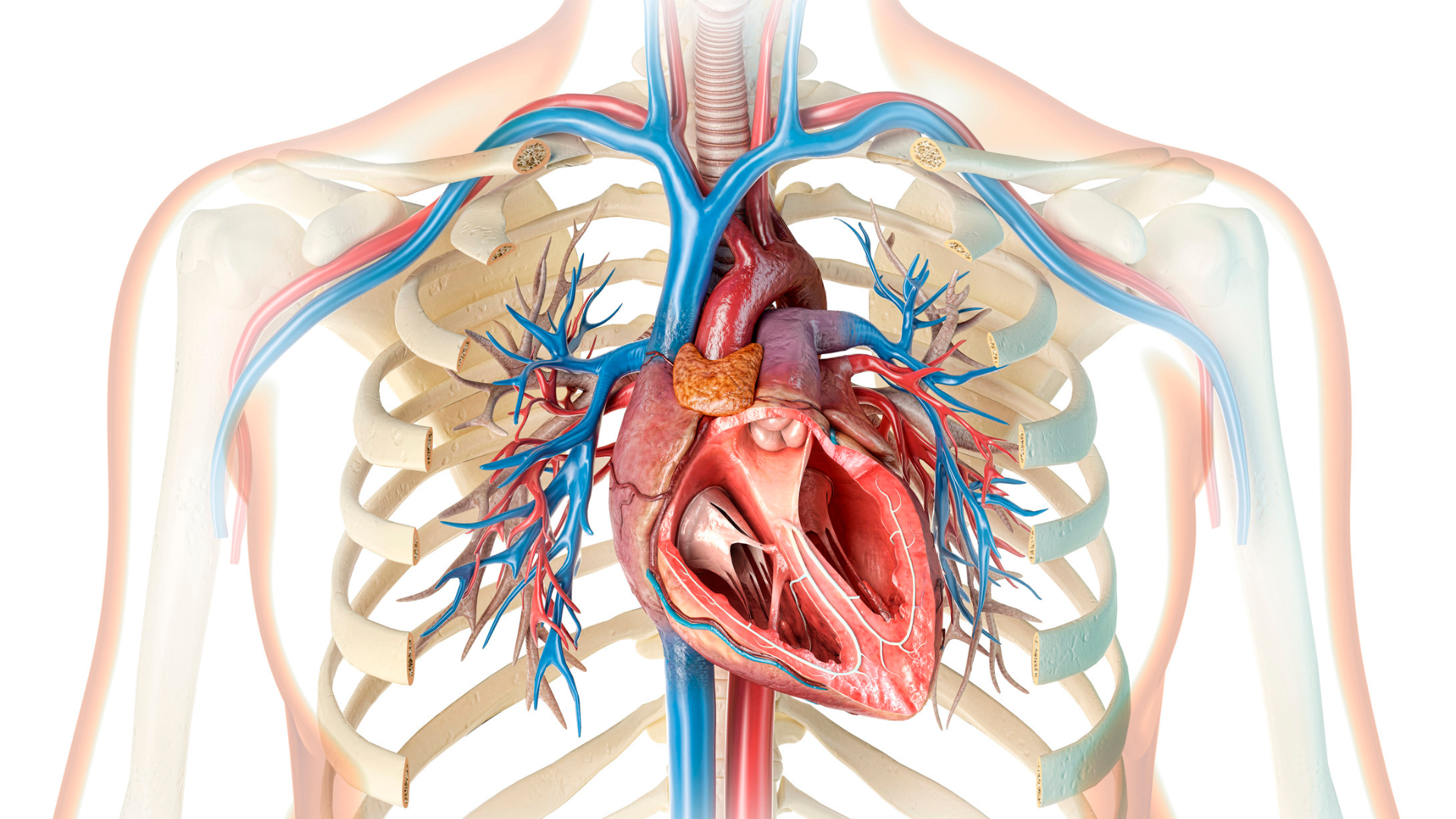
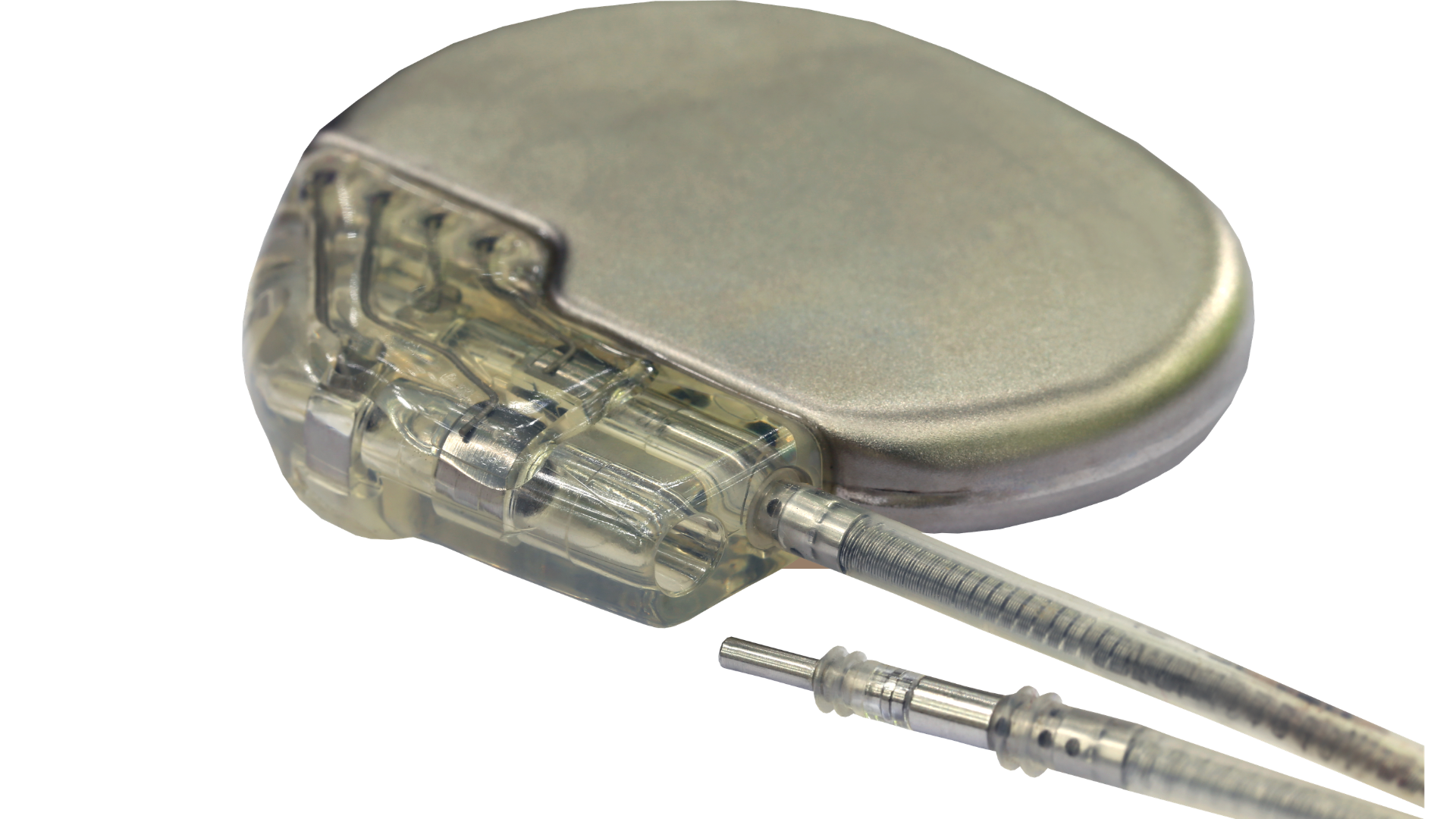
Cardioversion is a medical treatment used to restore a normal heart rhythm when the heart is beating irregularly or too fast. It is most commonly used for certain types of arrhythmias, particularly atrial fibrillation (AF) and atrial flutter. The aim of cardioversion is to reset the heart’s rhythm so it beats in a regular, coordinated

View Full Post
ct coronary angiogram machine stock image

Why CT Coronary Angiograms Are So Useful

by WKCPAdmin - in Uncategorized

A CT coronary angiogram is a detailed heart scan that looks at the coronary arteries, the blood vessels that supply oxygen rich blood to the heart muscle. It helps identify narrowing or blockages caused by plaque build up and is one of the most accurate non invasive tests for assessing coronary artery disease. At West

View Full Post
MPS scan results stock image

What Is a Myocardial Perfusion (MPS) Scan?

by WKCPAdmin - in Uncategorized

A myocardial perfusion (MPS) scan is a specialised heart test that shows how well blood flows to the heart muscle. It helps identify areas of the heart that may not be receiving enough blood, usually due to narrowing or blockages in the coronary arteries. Myocardial perfusion scans can be suggested to patients with chest pain,

View Full Post
long qt syndrome waveform

What Is Long QT Syndrome?

by WKCPAdmin - in Uncategorized

Long QT syndrome is a condition that affects the electrical system of the heart. It causes a delay in how the heart recharges between beats, which can increase the risk of abnormal heart rhythms. These rhythm changes can sometimes lead to fainting, seizures, or in rare cases, sudden cardiac arrest. Patients who have been diagnosed

View Full Post

What Is an Electrocardiogram (ECG)?

by WKCPAdmin - in Uncategorized

An electrocardiogram, usually shortened to ECG, is a simple test that records the electrical activity of the heart. Cardiologists use it to check how regularly the heart is beating and whether the electrical signals that control each heartbeat are working as they should. An ECG is one of the most commonly used tests in cardiology.

View Full Post
heart valve disease stock image copy

What Is Heart Valve Disease?

by WKCPAdmin - in Uncategorized

Heart valve disease is a condition that affects one or more of the valves inside the heart. These valves control the direction of blood flow as it moves through the heart’s chambers and out to the rest of the body. When a valve does not open or close properly, the heart has to work harder

View Full Post

ECG Test in Kent

by WKCPAdmin - in Uncategorized

An ECG test is a simple and effective way to check how your heart is beating. ECG stands for electrocardiogram, and the test records the electrical activity of the heart. It is commonly used to investigate symptoms such as palpitations, chest discomfort, dizziness, or breathlessness, and it also plays an important role in routine heart

View Full Post

What Are the Different Cardiac Tests?

by WKCPAdmin - in Uncategorized

Cardiac tests are used to assess how well your heart is working and to identify problems with heart rhythm, structure, blood flow, or overall function. They play a key role in diagnosing heart conditions, guiding treatment, and monitoring long-term heart health. Many patients ask what the different cardiac tests are and why one test might

View Full Post
heart screening stock image

What Is a Heart Screening?

by WKCPAdmin - in Uncategorized

A heart screening is a set of tests designed to assess how healthy your heart is and to identify potential problems before symptoms develop. It focuses on early detection, helping spot risk factors or hidden heart conditions that could lead to more serious issues if left unchecked. Many people choose heart screening for reassurance, especially

View Full Post
Atrial fibrillation stock image

What Is Atrial Fibrillation (AF)?

by WKCPAdmin - in Uncategorized

Atrial fibrillation, often shortened to AF, is the most common type of irregular heart rhythm seen in adults. It affects how the heart beats and how efficiently blood is pumped around the body. Some people notice symptoms straight away, while others may have AF for years without realising it. We regularly assess patients who have

View Full Post
×

Make an appointment and we’ll contact you.

Contact form

Call us for more information