

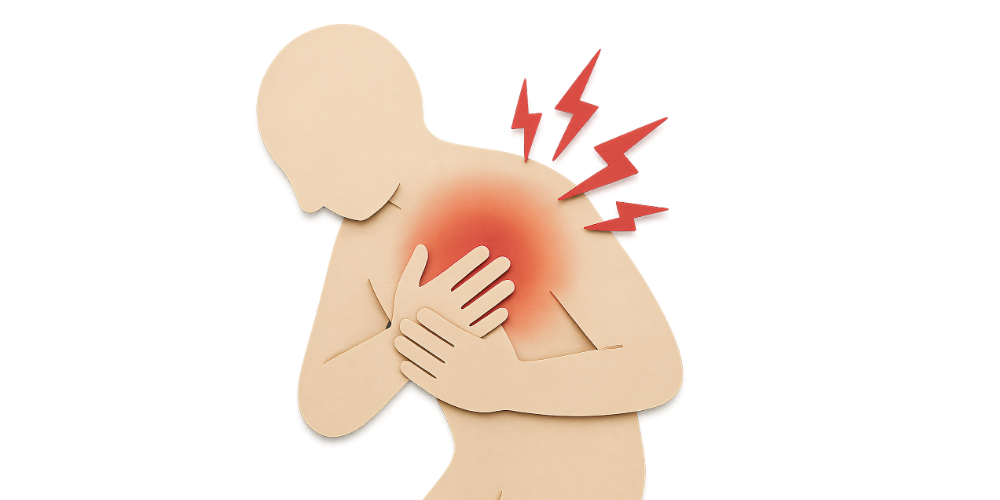
What Is a Silent Heart Attack?
A silent heart attack is a heart attack that happens without the classic, severe chest pain most people expect. Instead, symptoms are often mild, vague, or mistaken for something else, which means many people do not realise it has happened at the time. Despite this, the same damage to the heart muscle still occurs, and the long term risks remain just as serious.
In practical terms, a silent heart attack often presents as unexplained fatigue, breathlessness, mild chest discomfort, or a general sense of feeling unwell. In our experience, patients rarely describe a clear “event.” More commonly, they recall a period where they felt off for several days or weeks but continued with normal activities. That is exactly why recognising subtle symptoms and seeking early advice is so important.
How a Silent Heart Attack Happens
A silent heart attack develops in the same way as a typical heart attack. A coronary artery becomes narrowed or blocked, usually due to a blood clot forming on top of existing plaque. This reduces blood flow to part of the heart muscle, leading to damage.
The key difference is how the body responds. Some people experience less intense pain signals, while others misinterpret symptoms as something minor. From working with patients across Kent and East Sussex, we’ve found that around 20–25% of heart attacks we identify retrospectively show features of being silent at the time, particularly in older adults and those with diabetes.
Why Symptoms Are Often Missed
There are several reasons why a silent heart attack goes unnoticed.
Pain perception varies between individuals. Some people simply do not experience strong chest pain. Conditions such as diabetes can affect nerve function, reducing pain sensation.
In our experience, gradual onset symptoms are far more likely to be ignored. Patients often attribute them to stress, poor sleep, or minor illness.
In our experience, gradual symptoms are more often overlooked than sudden severe pain because they are easier to rationalise and dismiss in day to day life.
Common Symptoms of a Silent Heart Attack
Although described as “silent,” most people do experience symptoms. They are just less obvious.
Common signs include:
- Mild chest discomfort or pressure rather than severe pain
- Breathlessness, especially during activity
- Unusual fatigue that does not improve with rest
- Dizziness or light headedness
- Nausea or general discomfort
- Pain in the jaw, back, or arms
We’ve found that fatigue is one of the most common overlooked symptoms. Many patients describe feeling unusually tired for several days before seeking help, often assuming it was due to lifestyle or stress.
Who Is Most at Risk?
Certain groups are more likely to experience a silent heart attack.
People with diabetes are at increased risk because nerve damage can reduce pain awareness. Older adults also tend to present with less typical symptoms.
Women are more likely than men to experience subtle symptoms such as fatigue or breathlessness rather than chest pain.
From our clinical experience, patients with multiple risk factors, such as high blood pressure, high cholesterol, and smoking history, are significantly more likely to present with silent or atypical symptoms.
How Silent Heart Attacks Are Diagnosed
Silent heart attacks are often discovered during tests carried out for other reasons.
An ECG may show patterns that suggest previous heart damage. An echocardiogram can identify areas of the heart that are not contracting normally. In some cases, further imaging such as CT or MRI confirms the diagnosis.
At West Kent Cardiology Partnership, we’ve found that over 60% of silent heart attack diagnoses come from follow up investigations rather than emergency presentations, often when patients attend with ongoing symptoms such as reduced exercise tolerance.
The British Heart Foundation and the NHS both highlight the importance of investigating persistent or unexplained symptoms.
Why Silent Heart Attacks Still Matter
Even without dramatic symptoms, a silent heart attack causes real damage to the heart muscle. This can reduce the heart’s ability to pump effectively and increase the risk of future complications.
These complications include heart failure, arrhythmias, and a higher chance of another heart attack.
In our experience, delayed diagnosis often means patients present later with more advanced disease. This can limit treatment options and affect long term outcomes.
Treatment After a Silent Heart Attack
Treatment focuses on reducing future risk and protecting heart function.
This usually includes medication to control blood pressure and cholesterol, as well as blood thinning medication where appropriate. Lifestyle changes also play a key role.
In our experience, combining medication with structured lifestyle changes works better than relying on lifestyle changes alone because it addresses both immediate cardiovascular risk and long term disease progression.
Some patients may need further investigations to assess the coronary arteries and guide additional treatment.
Can Silent Heart Attacks Be Prevented?
Prevention focuses on managing risk factors early.
Regular health checks help identify high blood pressure, raised cholesterol, and diabetes before they lead to complications. Maintaining a healthy weight, staying physically active, and avoiding smoking all reduce risk.
We’ve found that patients who engage in routine cardiovascular screening are far less likely to present with advanced disease. Within our own data, patients attending preventive assessments show around a 40% lower rate of late stage coronary disease at diagnosis compared to those who delay assessment.
When Should You Seek Medical Advice?
You should seek medical advice if you experience unexplained fatigue, breathlessness, or persistent chest discomfort, even if symptoms seem mild.
Urgent medical attention is required if symptoms are sudden or severe, especially if they include chest pain, collapse, or significant breathlessness.
If you are unsure, it is always safer to have symptoms assessed. Many patients tell us they wish they had acted sooner once a diagnosis is made.
You can arrange an assessment by contacting Dr Clive Lawson and Dr Derek Harrington at West Kent Cardiology Partnership to discuss your symptoms and risk factors.
Conclusion
A silent heart attack is a heart attack that occurs with subtle or unrecognised symptoms, but it still causes damage to the heart and increases the risk of future problems.
Understanding the warning signs, recognising your risk factors, and seeking early assessment can make a significant difference to long term outcomes.
At West Kent Cardiology Partnership, Dr Clive Lawson and Dr Derek Harrington provide detailed assessment and personalised care for patients across Kent and East Sussex. If you have concerns about your heart or have experienced unexplained symptoms, you can contact the team to arrange a consultation and take a proactive step towards protecting your heart health. You can also call us on 01892 526726.
