

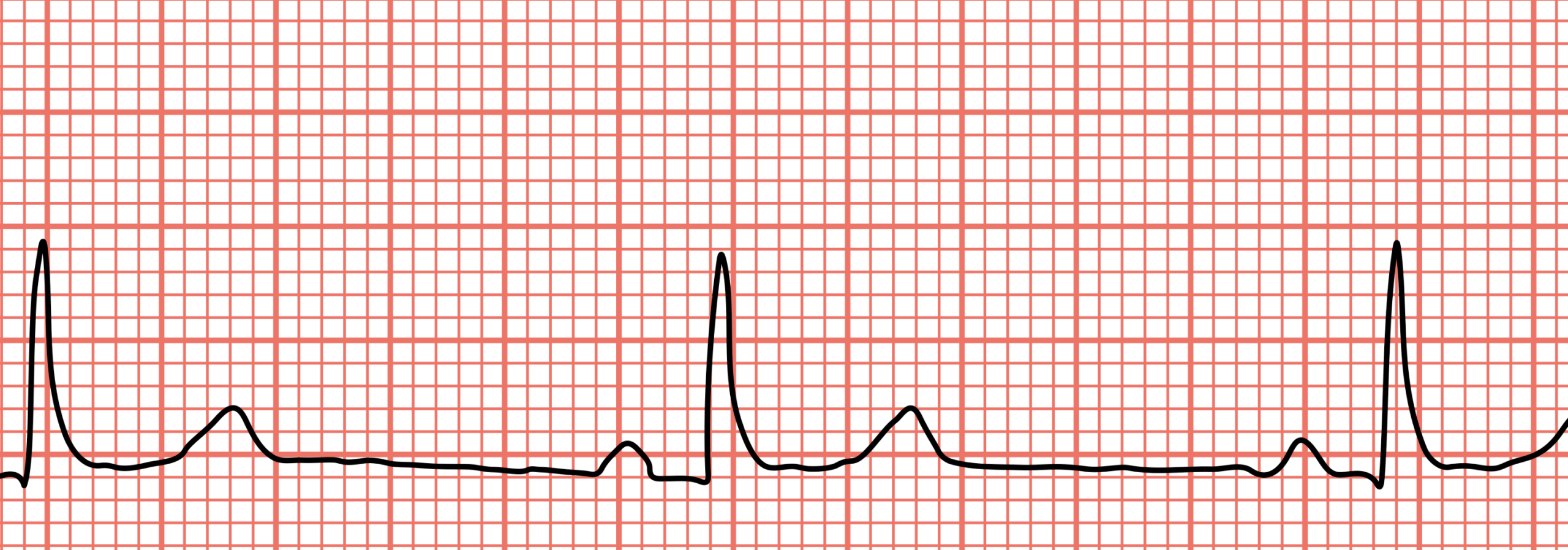
What Is Bradycardia?
Bradycardia is a medical term used to describe a heart rate that is slower than normal. In adults, this usually means a resting heart rate below 60 beats per minute. While a slow heart rate can be normal in some people, particularly those who are physically fit, it can also indicate a problem with the heart’s electrical system.
Often we assess patients who experience symptoms linked to a slow heart rate. This article explains what bradycardia is, why it happens, and when it may require treatment.
How the Heart Rate Is Controlled
The heart beats because of electrical signals that start in the sinus node, the heart’s natural pacemaker. These signals travel through the heart in a coordinated way, causing it to contract and pump blood efficiently.
A normal resting heart rate usually falls between 60 and 100 beats per minute. When the heart beats more slowly than this, it is described as bradycardia.
In some situations, a slow heart rate is completely normal. For example, athletes often have lower resting heart rates because their hearts pump blood more efficiently.
When Is Bradycardia a Problem?
Bradycardia becomes a concern when the heart cannot pump enough blood to meet the body’s needs. This can lead to symptoms and affect daily activities.
The key question is not just how slow the heart rate is, but whether it causes symptoms or affects overall circulation.
Some people with bradycardia feel well and require no treatment. Others experience symptoms that need further investigation.
Symptoms of Bradycardia
Symptoms vary depending on how slow the heart rate is and how well the body adapts. Common symptoms include fatigue, dizziness, light headedness, and reduced exercise tolerance. Some people feel short of breath or notice that they tire more easily than usual.
In more severe cases, bradycardia can cause fainting or near fainting episodes. These symptoms occur because the brain is not receiving enough blood for short periods. If symptoms are persistent or worsening, medical assessment is important.
What Causes Bradycardia?
Bradycardia can develop for several reasons. One common cause is a problem with the sinus node, known as sinus node dysfunction. In this situation, the heart’s natural pacemaker does not generate signals as it should.
Another cause is heart block, where electrical signals are delayed or fail to travel from the upper chambers to the lower chambers of the heart. Age related changes in the heart’s electrical system are a frequent cause, particularly in older adults.
Other causes include coronary artery disease, previous heart attacks, certain medications, electrolyte imbalances, thyroid disorders, and infections affecting the heart. In some cases, bradycardia occurs during sleep or relaxation and is considered normal.
Types of Bradycardia
Bradycardia can be classified based on where the problem occurs within the heart’s electrical system.
- Sinus bradycardia occurs when the sinus node produces signals more slowly than usual. This may be normal in healthy individuals or related to underlying conditions.
- Heart block involves disruption of the electrical signal as it travels through the heart. This can range from mild delay to complete interruption.
Each type requires a slightly different approach to management, depending on severity and symptoms.
How Bradycardia Is Diagnosed
Diagnosis usually begins with an ECG, which records the heart’s electrical activity and shows whether the heart rate is slow. Because bradycardia may occur intermittently, longer term heart rhythm monitoring is often used. This involves wearing a portable device that records the heart’s activity over 24 hours or longer.
An echocardiogram may be performed to assess heart structure and function. Blood tests can help identify underlying causes such as thyroid imbalance or electrolyte disturbances.
How Is Bradycardia Treated?
Treatment depends on the cause and whether symptoms are present. If bradycardia does not cause symptoms and is not linked to an underlying problem, no treatment may be required. Regular monitoring is often enough. Sometimes medications contribute to a slow heart rate, adjusting or stopping them may resolve the issue.
When bradycardia causes symptoms or results from problems with the heart’s electrical system, a permanent pacemaker may be recommended. A pacemaker helps maintain a safe and steady heart rate by delivering electrical impulses when needed. At WKCP, treatment is always tailored to the individual, taking into account symptoms, lifestyle, and overall health.
Living With Bradycardia
Many people with mild bradycardia live normal, active lives without restriction. Regular follow up helps ensure the condition remains stable.
For those who require a pacemaker, most return to normal daily activities after recovery. Symptoms such as dizziness and fatigue often improve significantly. Lifestyle factors such as staying active, maintaining a healthy diet, and managing underlying conditions support overall heart health.
When Should You Seek Medical Advice?
You should seek medical advice if you experience persistent fatigue, dizziness, fainting, or a noticeably slow pulse.
Sudden symptoms such as collapse, chest pain, or severe breathlessness require urgent medical attention. If you are concerned about your heart rate or symptoms, you can contact us here to arrange a cardiology consultation.
Why Early Assessment Matters
Bradycardia can range from a harmless finding to a condition that requires treatment. Early assessment helps determine the cause and ensures appropriate management. Identifying problems such as heart block or sinus node dysfunction early can prevent complications and improve quality of life. Even when no treatment is needed, reassurance from a specialist can reduce anxiety and provide clarity.
Conclusion
Bradycardia refers to a heart rate that is slower than normal. While it can be a normal finding in some individuals, it may also indicate an underlying heart rhythm problem.
Understanding the cause and recognising symptoms are key to deciding whether treatment is needed. To further your understanding or like we said if you have any concern, do not hesitate to call us on 01892 526726.
