

Why CT Coronary Angiograms Are So Useful
A CT coronary angiogram is a detailed heart scan that looks at the coronary arteries, the blood vessels that supply oxygen rich blood to the heart muscle. It helps identify narrowing or blockages caused by plaque build up and is one of the most accurate non invasive tests for assessing coronary artery disease. At West Kent Cardiology Partnership, we often recommend a CT coronary angiogram for patients with chest pain, breathlessness, or risk factors for heart disease. Many people feel unsure when they first hear the name of the test, so this guide explains what it is, why it is used, and what you can expect before, during, and after the scan.
What Does a CT Coronary Angiogram Show?
The heart relies on the coronary arteries to deliver blood and oxygen. Over time, these arteries can become narrowed by fatty deposits known as plaque. This process is called coronary artery disease. A CT coronary angiogram produces highly detailed images of these arteries. It shows whether plaque is present, how severe any narrowing is, and whether blood flow may be restricted. The scan can also show calcium build up within the artery walls, which helps assess future heart risk. Because the images are so clear, this test is particularly useful for ruling out significant coronary artery disease.
Why Is a CT Coronary Angiogram Performed?
Doctors use CT coronary angiograms to investigate symptoms that may relate to reduced blood flow to the heart. These symptoms often include chest pain, chest tightness, breathlessness on exertion, or unexplained fatigue. The scan is also useful for people with risk factors such as high blood pressure, high cholesterol, diabetes, smoking history, or a strong family history of heart disease. In many cases, a CT coronary angiogram provides reassurance by showing that the coronary arteries are clear. When narrowing is present, the scan helps guide further management and treatment decisions.
How a CT Coronary Angiogram Works
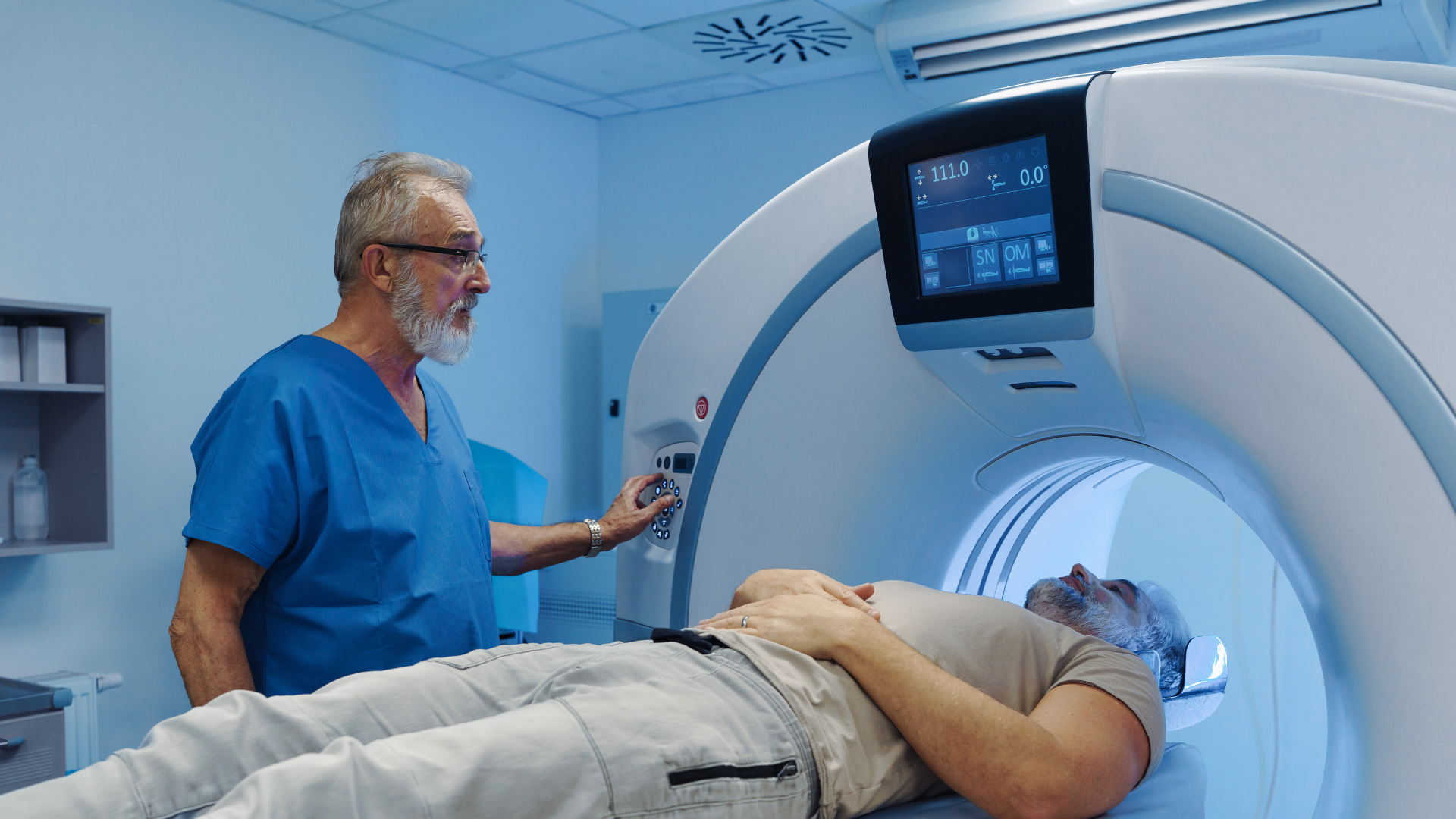
The test uses a CT scanner, which takes a series of detailed X ray images of the heart. These images are combined to create a three dimensional view of the coronary arteries. Before the scan, a contrast dye is injected through a small cannula in your arm. This dye highlights the coronary arteries, making them visible on the scan. The scanner captures images very quickly, often within a single breath hold. Advanced software then reconstructs the images so the cardiologist can examine the arteries in detail.
What Happens During the Scan?
When you arrive for your CT coronary angiogram, a clinician will explain the procedure and check your heart rate and blood pressure. In some cases, medication is given to slow the heart rate slightly, as this improves image quality. A cannula is placed in your arm for the contrast dye. You then lie on the scanning table, which moves through the CT scanner. During the scan, you may feel a brief warm sensation when the contrast dye is injected. This feeling passes quickly. You may also be asked to hold your breath for a few seconds while images are taken. The scan itself usually takes only a few minutes. The entire appointment typically lasts around 30 to 60 minutes.
How to Prepare for a CT Coronary Angiogram
Preparation instructions may vary slightly, but you are usually asked to avoid caffeine on the day of the scan. Caffeine can increase heart rate and affect image quality. You may also be advised not to eat for a few hours beforehand. Most regular medications can be taken as normal, but your cardiologist will give clear instructions if any need to be paused. Comfortable clothing is recommended. You may be asked to remove metal objects such as jewellery before the scan.
What Can the Results Tell Us?
A CT coronary angiogram can show several important findings. If the arteries appear clear, significant coronary artery disease is unlikely. This result often provides strong reassurance and may rule out the heart as the cause of symptoms. If mild or moderate plaque is present, the scan helps guide lifestyle advice and medication to reduce future risk. If severe narrowing is identified, further tests or procedures may be recommended to assess blood flow or restore circulation. The scan also provides a calcium score, which helps estimate long term cardiovascular risk.
How This Test Compares to Other Cardiac Tests
A CT coronary angiogram focuses on the structure of the coronary arteries. It shows whether narrowing is present but does not directly measure how blood flow is affected during exercise. Other tests, such as myocardial perfusion scans or stress tests, assess how the heart performs under stress. Echocardiograms focus on heart muscle and valve function, while ECGs assess heart rhythm. Cardiologists often use these tests together to build a complete picture of heart health.
Is a CT Coronary Angiogram Safe?
CT coronary angiograms have a strong safety record. The radiation dose is kept as low as possible and continues to reduce as technology improves. Most people tolerate the contrast dye without any problems. Rarely, some people may experience a mild reaction. Staff monitor you closely during and after the scan. Your cardiologist will always weigh the benefits of the scan against any potential risks before recommending it.
What Happens After the Scan?
After the scan, you can usually return to normal activities straight away. Drinking fluids helps flush the contrast dye from your system. A specialist reviews the images carefully and prepares a detailed report. Your cardiologist will then explain the results, answer your questions, and discuss any next steps. You can contact us here to arrange a review appointment or to discuss whether a CT coronary angiogram is suitable for you.
Why CT Coronary Angiograms Are So Useful
This scan allows early detection of coronary artery disease, often before symptoms become severe. Early identification allows treatment to focus on prevention rather than emergency intervention. The test also helps avoid unnecessary invasive procedures by providing clear information about artery health. For many patients, it delivers reassurance and peace of mind. We use CT coronary angiograms as part of a careful, patient focused approach to diagnosis and long term heart care.
Conclusion
A CT coronary angiogram is a highly accurate, non invasive test that provides detailed images of the coronary arteries. It plays an important role in diagnosing coronary artery disease, investigating chest pain, and assessing future heart risk.
If you are experiencing symptoms or have concerns about your heart health, this scan may offer valuable answers. If you would like to discuss whether a CT coronary angiogram is right for you, you can call us on 01892 526726 to arrange a consultation with one of our cardiologists.
