

When Should I Worry About Chest Pain?
Chest pain is a symptom that can feel alarming, and understandably so. While many causes are harmless, such as indigestion or muscle strain, some forms of chest pain may point to an underlying heart problem. Knowing the difference is essential, and understanding when to seek help can make a meaningful difference to your health.
We are writing this because we speak to many people who are unsure whether their chest pain is serious. This post explains the common causes, the warning signs that should never be ignored, and when it’s sensible to see a cardiologist.
What Does Chest Pain Feel Like?
Chest pain varies greatly from person to person. It can be sharp, dull, tight, heavy, or pressure-like. Sometimes it comes and goes; at other times it lasts longer or becomes more noticeable during activity.
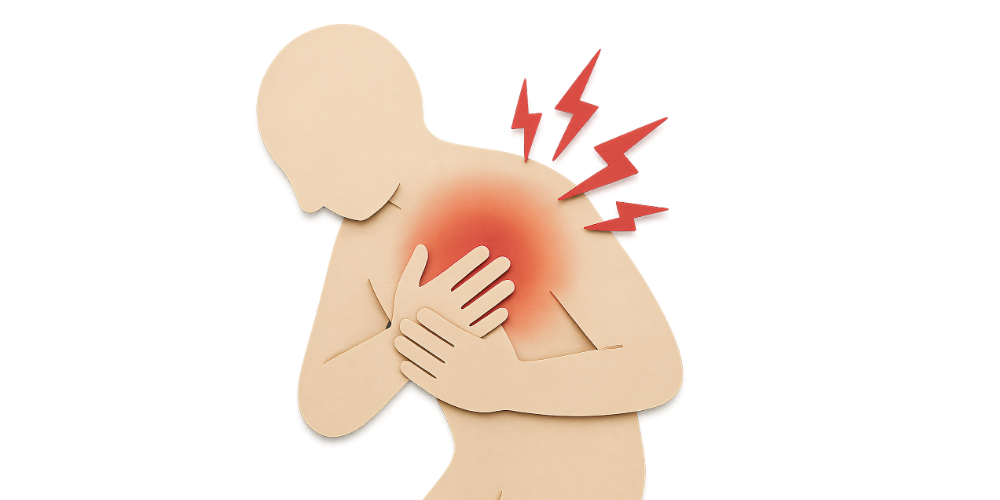
Heart-related chest pain often feels like pressure or heaviness in the centre or left side of the chest. Some people describe it as a squeezing sensation. It may spread to the jaw, neck, shoulder, back, or arm. Others notice breathlessness or fatigue rather than obvious pain, especially women and people with diabetes.
Common Causes of Chest Pain
Not every episode of chest pain indicates a heart problem. Digestive issues, anxiety, muscle strain, or inflammation around the lungs can all cause discomfort. However, if you have risk factors such as high blood pressure, high cholesterol, diabetes, smoking history, or a strong family history of heart disease, it is wise to treat any persistent or unusual chest pain with caution.
When Chest Pain May Be Linked to the Heart
Chest pain linked to the heart often appears during physical effort or emotional stress, easing when you rest. This can be a sign of angina, which occurs when the heart muscle is not receiving enough oxygen-rich blood.
Pain that feels like pressure or tightness, particularly if it radiates to the arm or jaw, should always be taken seriously. Accompanying symptoms such as breathlessness, nausea, sweating, or dizziness make it more likely the pain is heart-related. Chest pain that keeps returning over several days or weeks is also important to report. This pattern can sometimes indicate underlying coronary artery disease that needs assessment.
Chest Pain That Requires Emergency Help
Certain symptoms should never be ignored. Severe pains that do not ease with rest, lasts more than a few minutes, or keeps returning could signal a heart attack. Pain that spreads across the upper body, or comes with sudden breathlessness, collapse, or overwhelming anxiety, should prompt an immediate 999 call.
Acting quickly in these situations can save lives. The NHS heart attack guide offers a clear overview of the symptoms to watch for.
Other Heart Conditions That Can Cause Chest Pain
Chest pain does not always stem from blocked arteries. Irregular heart rhythms can cause discomfort or a fluttering sensation. Inflammation around the heart, known as pericarditis, may lead to sharp pains that worsens when lying down. Rare conditions affecting the aorta can also cause severe pain.
A cardiologist can distinguish between these possibilities through tests such as an ECG, echocardiogram, CT scan, or blood tests.
When Should You See a Cardiologist?
It is sensible to seek specialist advice if your chest pain is new, unexplained, or persistent. Pain that appears with exertion and settles with rest, or discomfort that comes with breathlessness or palpitations, should be checked.
Even without clear symptoms, people with risk factors such as high blood pressure, high cholesterol, diabetes, or a family history of heart disease often choose to have an assessment for reassurance. If you’d like to discuss your symptoms or arrange a consultation, you can contact us here to book an appointment.
How Chest Pain Is Investigated
A cardiologist may start with a simple ECG to look at the heart’s electrical activity. Depending on your symptoms, an echocardiogram may be used to examine the heart’s structure and movement. Stress testing can help determine whether the heart receives enough blood during exertion, while a CT coronary angiogram provides detailed images of the coronary arteries.
Blood tests can also help assess cholesterol levels or detect markers of strain on the heart. Each investigation contributes to a clearer, more complete understanding of your symptoms.
Reducing Your Future Risk
If chest pain is found to be related to the heart, treatment may involve medication, lifestyle changes, or procedures to improve blood flow. Quitting smoking, maintaining a healthy weight, managing blood pressure, and keeping cholesterol levels controlled all help reduce the likelihood of recurrent symptoms.
At West Kent Cardiology Partnership, we support patients through personalised plans that consider medical history, lifestyle, and long-term wellbeing.
Conclusion
Chest pain is not something to ignore, even when it seems mild. While many causes are harmless, some types of chest pain are early signs of heart disease and require timely assessment. Understanding the warning signs and seeking advice promptly can prevent serious complications.
If you’re experiencing chest discomfort or simply want reassurance about your symptoms, you can contact us here to arrange a consultation with one of our cardiologists in Kent. We offer rapid access to testing, clear guidance, and personalised support to help you understand exactly what’s going on. For more information, visit the NHS chest pain advice or explore the British Heart Foundation
