

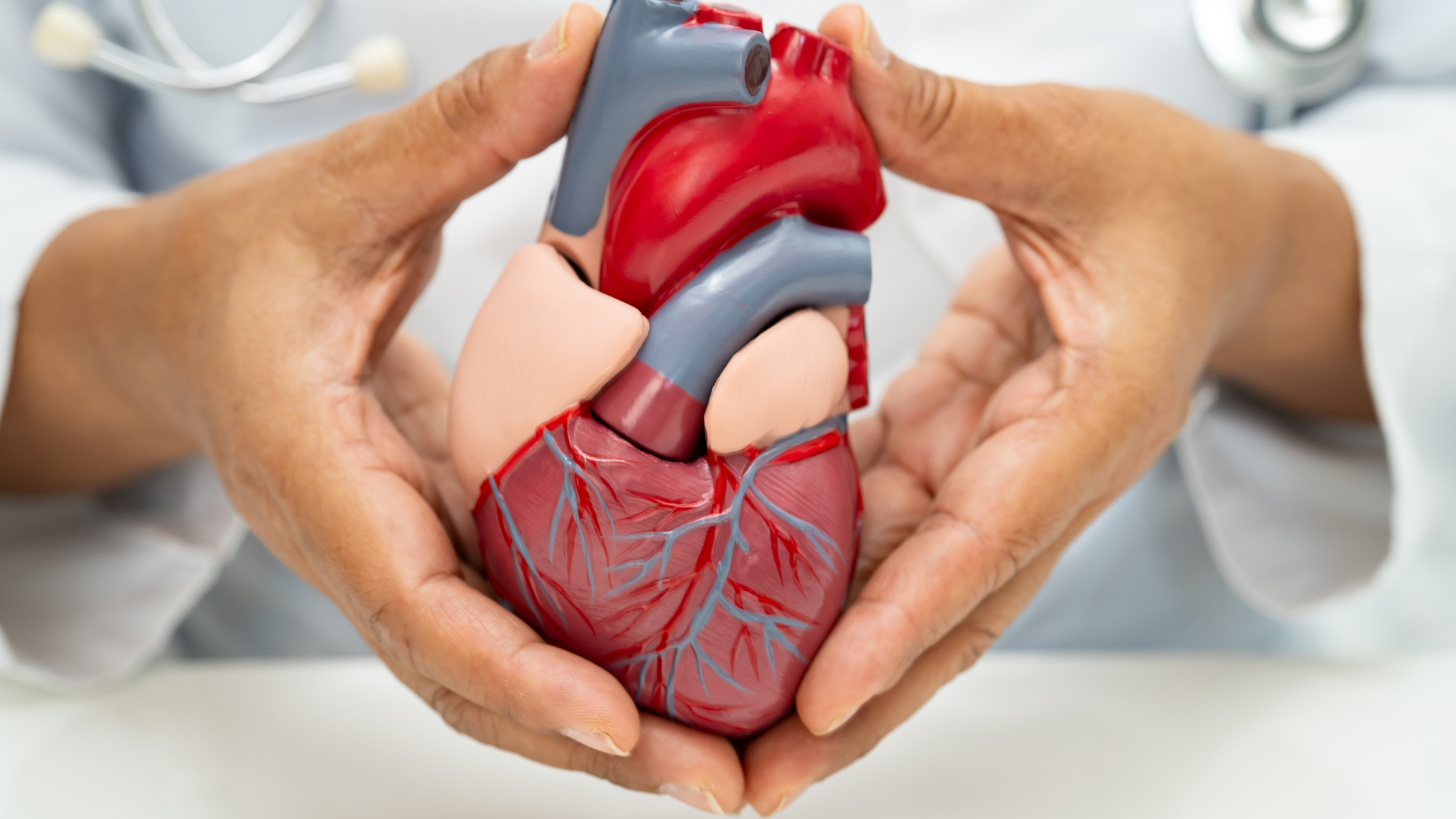
What Is Heart Valve Disease?
Heart valve disease is a condition that affects one or more of the valves inside the heart. These valves control the direction of blood flow as it moves through the heart’s chambers and out to the rest of the body. When a valve does not open or close properly, the heart has to work harder to pump blood efficiently.
Many people live with heart valve disease for years without realising it. Symptoms can develop slowly and may seem mild at first. We regularly assess patients who come to us with breathlessness, fatigue, or heart murmurs and discover that a valve problem sits at the root of their symptoms. This guide explains what heart valve disease is, how it develops, and how it is diagnosed and managed.
How Heart Valves Work
The heart has four valves: the aortic, mitral, pulmonary, and tricuspid valves. Each valve opens and closes with every heartbeat. This action keeps blood moving in the correct direction and prevents it from flowing backwards.
Healthy valves open fully and close tightly. When a valve becomes damaged or stiff, it may not open or close as it should. This disruption affects blood flow and places extra strain on the heart muscle. Over time, that strain can lead to symptoms and complications if left untreated.
What Is Heart Valve Disease?
Heart valve disease occurs when one or more heart valves fail to function normally. The problem usually falls into one of two categories.
- Valve stenosis happens when a valve becomes narrowed. The valve does not open fully, which restricts blood flow.
- Valve regurgitation happens when a valve does not close properly. Blood leaks backwards instead of moving forward efficiently.
Some people experience a combination of both problems in the same valve. The severity can range from mild to severe, and progression often happens gradually.
Common Types of Heart Valve Disease
Different valves can develop problems, and each has its own effects on the heart.
- Aortic valve disease affects the valve that controls blood flow from the heart to the rest of the body. Aortic stenosis is common in older adults and can cause breathlessness, chest pain, or dizziness.
- Mitral valve disease affects the valve between the left atrium and left ventricle. Mitral regurgitation often causes fatigue and shortness of breath, especially during activity.
- Pulmonary and tricuspid valve disease occur less often and usually relate to lung conditions, congenital heart problems, or long term heart strain.
Your cardiologist will identify which valve is involved and how severe the problem is.
What Causes Heart Valve Disease?
Several factors can lead to valve disease. Age related wear and tear is one of the most common causes, particularly for aortic valve disease. Over time, valves can stiffen or calcify. Other causes include previous infections such as rheumatic fever, congenital valve abnormalities present from birth, heart attacks, or damage from long standing high blood pressure. In some cases, infections of the valve lining, known as endocarditis, can damage valve structure. Connective tissue disorders and heart muscle disease may also affect valve function.
Symptoms of Heart Valve Disease
Symptoms depend on which valve is affected and how severe the problem is. Early valve disease often causes no symptoms at all. As the condition progresses, people may notice:
Breathlessness during activity or when lying flat
Fatigue or reduced exercise tolerance
Swollen ankles or feet
Chest discomfort
Dizziness or fainting
Palpitations or awareness of heartbeat
Some people first learn they have valve disease after a doctor hears a heart murmur during a routine check. A murmur alone does not always mean serious disease, but it does prompt further investigation.
How Heart Valve Disease Is Diagnosed
Diagnosis begins with a detailed discussion about symptoms and medical history. Your cardiologist will listen to your heart and may hear a murmur that suggests abnormal blood flow. The key test for diagnosing valve disease is an echocardiogram. This ultrasound scan shows how the valves open and close and how blood flows through the heart. It also reveals how hard the heart is working as a result of the valve problem. Other tests may include an ECG to check heart rhythm, blood tests, or imaging such as a CT scan if further detail is needed.
Why Early Diagnosis Matters
Heart valve disease often worsens slowly. Many people adapt to symptoms without realising it. By the time symptoms become obvious, the heart may already be under significant strain.
Early diagnosis allows careful monitoring and timely treatment. In many cases, cardiologists monitor mild or moderate valve disease for years before intervention becomes necessary. This approach helps avoid unnecessary procedures while protecting heart function.
We focus on regular review and clear guidance so patients understand when treatment may become necessary. You can check out some of our reviews here.
How Is it Treated?
Treatment depends on the type of valve problem and how severe it is. Mild valve disease may not require immediate treatment. Instead, cardiologists monitor the condition with regular echocardiograms and symptom checks.
Medication may help manage symptoms. These medicines can reduce fluid build up, control blood pressure, or regulate heart rhythm. Medication does not fix the valve itself, but it can ease strain on the heart. When valve disease becomes severe or causes significant symptoms, procedures may be recommended. These include valve repair or valve replacement, depending on the valve and the individual situation. Advances in cardiology now allow some valve procedures to take place without open heart surgery, particularly for aortic valve disease.
Living With Heart Valve Disease
Many people live full and active lives with valve disease, especially when it is diagnosed early and monitored carefully. Understanding your condition helps you recognise changes and seek help promptly. Regular follow up plays an important role. Your cardiologist will track valve function, heart size, and symptoms over time. This monitoring helps ensure intervention happens at the right moment. Lifestyle choices also matter. Staying active within safe limits, maintaining a healthy weight, managing blood pressure, and avoiding smoking all support heart health.
When to Seek Medical Advice
You should seek medical advice if you notice new or worsening breathlessness, chest discomfort, swelling in the legs, or reduced exercise tolerance. Sudden dizziness or fainting also requires urgent assessment.
If you already have a diagnosis of heart valve disease, any change in symptoms should prompt a review. You can contact us here to arrange an assessment or follow up appointment.
The Long Term Outlook
The outlook for heart valve disease has improved significantly over recent years. Earlier diagnosis, improved imaging, and advanced treatment options mean many people achieve excellent outcomes. The key lies in recognising the condition early and following a clear management plan. With proper care, many patients avoid complications and maintain a good quality of life.
Conclusion
Heart valve disease affects how blood flows through the heart and can place strain on the heart muscle if left untreated. While symptoms may develop slowly, early diagnosis and regular monitoring make a significant difference to long term outcomes.
Our clinic provides in depth assessment, clear explanations, and personalised care for patients with heart valve disease across Kent and East Sussex. If you have symptoms, a heart murmur, or concerns about valve disease, you can call us here on 01892 526726 to book a consultation.
