

What Is a Permanent Pacemaker?
A pacemaker is a small medical device that helps control an abnormal heart rhythm. A permanent pacemaker is implanted under the skin, usually near the collarbone, and sends electrical signals to the heart to keep it beating at a safe and steady rate.
Pacemakers are most often used to treat slow heart rhythms, a condition known as bradycardia. When the heart beats too slowly, it may not pump enough blood to the brain and body. This can cause dizziness, fatigue, breathlessness, or fainting. We assess and support patients who may benefit from pacemaker treatment.
Why Would Someone Need a Pacemaker?
The heart beats because of electrical signals that travel through a specialised conduction system. If this system becomes damaged or slows down, the heart may beat too slowly or pause between beats.
Common reasons for pacemaker implantation include:
- Slow heart rhythms caused by ageing of the heart’s electrical system
- Heart block, where signals do not travel properly from the upper to lower chambers
- Certain forms of atrial fibrillation with slow heart rates
- Some inherited or structural heart conditions
When the heart rate drops too low, symptoms often develop. These may include dizziness, blackouts, confusion, extreme tiredness, or shortness of breath. A pacemaker helps prevent these symptoms by maintaining an adequate heart rate.
How Does a Pacemaker Work?
A pacemaker monitors the heart’s rhythm continuously. If it detects that the heart is beating too slowly or misses a beat, it sends a small electrical impulse to stimulate the heart muscle. This impulse encourages the heart to contract at the correct time. The electrical signals are very small and most patients do not feel them. Modern pacemakers are highly advanced. They adjust heart rate according to activity levels, meaning they increase the rate when you exercise and slow it down when you rest.
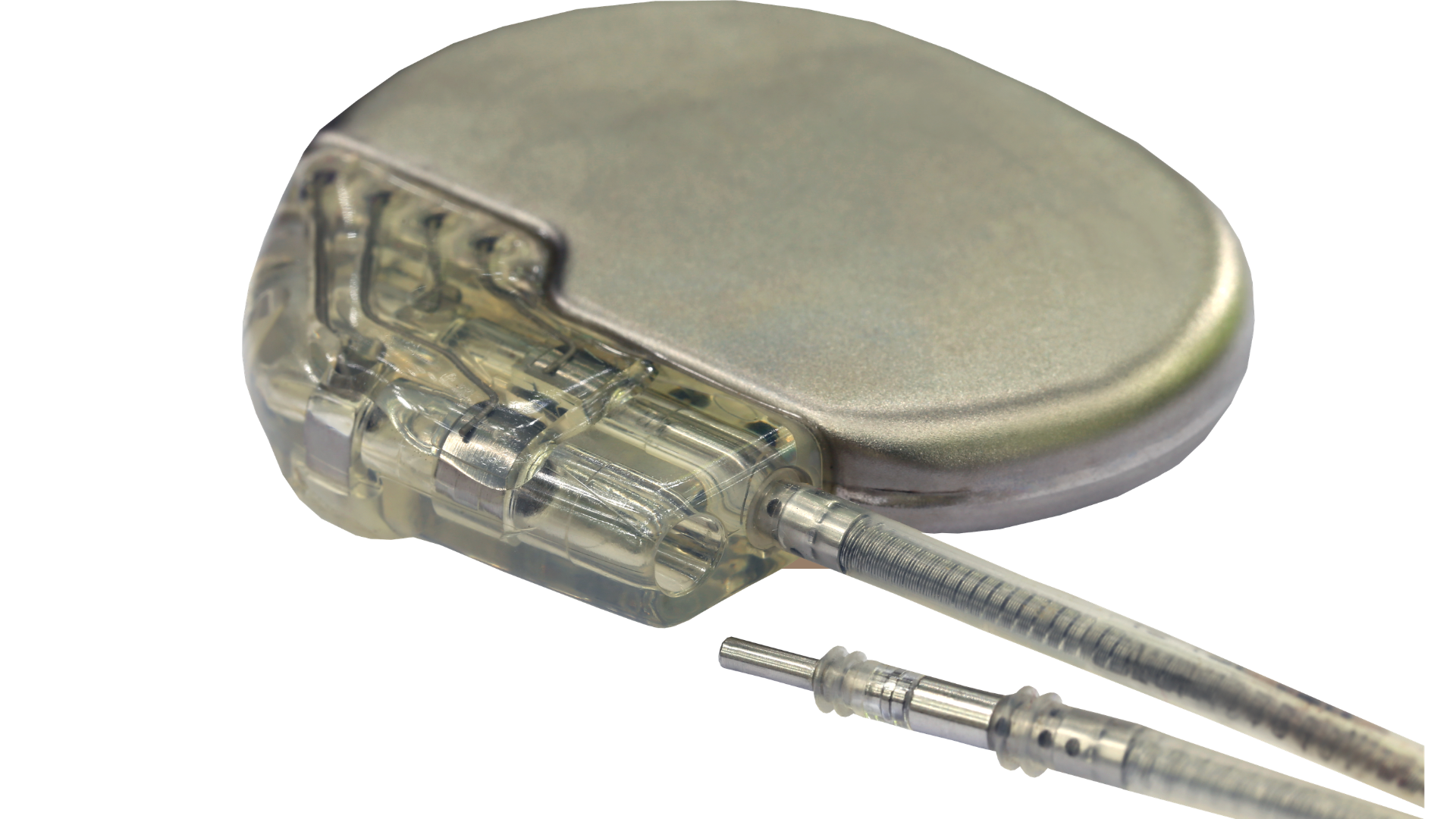
What Does a Permanent Pacemaker Look Like?
A permanent pacemaker consists of two main parts…
- The pulse generator is a small metal device that contains the battery and electronic circuitry.
- The leads are thin insulated wires that connect the generator to the heart. These leads deliver electrical impulses and sense the heart’s natural activity.
The entire device is usually about the size of a small matchbox. It sits just under the skin below the collarbone.
How Is a Pacemaker Implanted?
Pacemaker implantation is a routine procedure performed under local anaesthetic, often with light sedation. A small incision is made near the collarbone. Leads are guided through a vein into the heart using X ray guidance. Once the leads are positioned correctly, they are connected to the pulse generator, which is placed under the skin.
The procedure typically takes one to two hours. Most patients return home the same day or after an overnight stay.
What to Expect After Implantation
After the procedure, there may be mild soreness around the incision site for a few days. Patients are advised to avoid heavy lifting and excessive arm movement on the side of the implant for a short period while the leads settle securely.
Follow up appointments ensure the pacemaker is functioning correctly. Modern devices can often be checked remotely, reducing the need for frequent clinic visits.
Most people notice improvement in symptoms soon after implantation, particularly if dizziness or fainting was present before.
How Long Does a Pacemaker Last?
Pacemaker batteries typically last between five and fifteen years, depending on how often the device needs to deliver pacing.
When the battery runs low, the pulse generator can be replaced through a relatively simple procedure. The leads usually remain in place if they are functioning well.
Regular follow up allows doctors to monitor battery life and plan replacement in advance.
Are There Risks?
Pacemaker implantation is generally safe, but as with any medical procedure, there are risks. These may include infection, bleeding, bruising, or movement of the leads. Serious complications are uncommon. Careful monitoring before and after the procedure helps minimise risk. Your cardiologist will discuss the benefits and risks clearly before recommending implantation.
The British Heart Foundation and the NHS provide further information on pacemakers and heart rhythm conditions.
Living With a Pacemaker
Most people return to normal daily activities after recovery. A pacemaker should not prevent you from working, travelling, or exercising within sensible limits.
Certain precautions are recommended. Strong magnetic fields and specific medical procedures may interfere with pacemaker function. Airport security scanners are usually safe, but informing staff that you have a pacemaker is sensible.
You will receive a pacemaker identification card to carry with you at all times. Many patients report improved quality of life because symptoms such as fainting and fatigue resolve.
Pacemakers and Exercise
Exercise remains important for overall heart health. After recovery, most patients can resume moderate physical activity. Your cardiologist will provide personalised advice based on your underlying heart condition. Contact sports may require discussion to protect the device area. Regular activity supports cardiovascular fitness and general wellbeing.
Pacemaker Follow Up and Monitoring
After implantation, ongoing monitoring ensures the device continues to function properly. Pacemakers record information about heart rhythm, which helps guide future care.
Follow up may include in clinic checks or remote monitoring using specialised equipment at home.
We like to work with patients who require pacemaker assessment and long term follow up, ensuring treatment remains appropriate and effective. You can contact us here to discuss symptoms of slow heart rhythm or to arrange a cardiology consultation.
When Should You Seek Medical Advice?
You should seek medical advice if you experience dizziness, fainting, persistent fatigue, or palpitations. These symptoms may suggest a heart rhythm problem that requires investigation. If you already have a pacemaker and notice swelling, redness, or pain around the device site, or if symptoms return, prompt review is important.
Early assessment ensures safe and effective management.
Conclusion
A permanent pacemaker is a small implanted device that helps regulate slow or abnormal heart rhythms. By delivering precise electrical impulses, it ensures the heart maintains a safe and steady rate. Pacemaker implantation is a well established and effective treatment that significantly improves quality of life for many patients. With modern technology and careful follow up, most people live active and independent lives after the procedure.
Providing thorough assessment and clear guidance for patients who may benefit from pacemaker therapy across Kent and East Sussex is important to us. If you have symptoms of a slow heart rhythm or concerns about your heart health, you can also call us on 01892 526726 to arrange a specialist consultation with one of our cardiologists.
