
What Is a Heart Block?
A heart block is a problem with the electrical signals that control your heartbeat. Instead of travelling smoothly from the upper chambers of the heart to the lower chambers, the signal is delayed or completely interrupted. When this happens, the heart may beat more slowly than normal or miss beats altogether.
Heart block can range from mild to serious. Some forms cause no symptoms and require only monitoring. Others can lead to dizziness, blackouts, or fatigue and may require treatment such as a pacemaker. If you do suspect any of this, please do not hesitate to reach out to us.
How the Hearts Electrical System Works
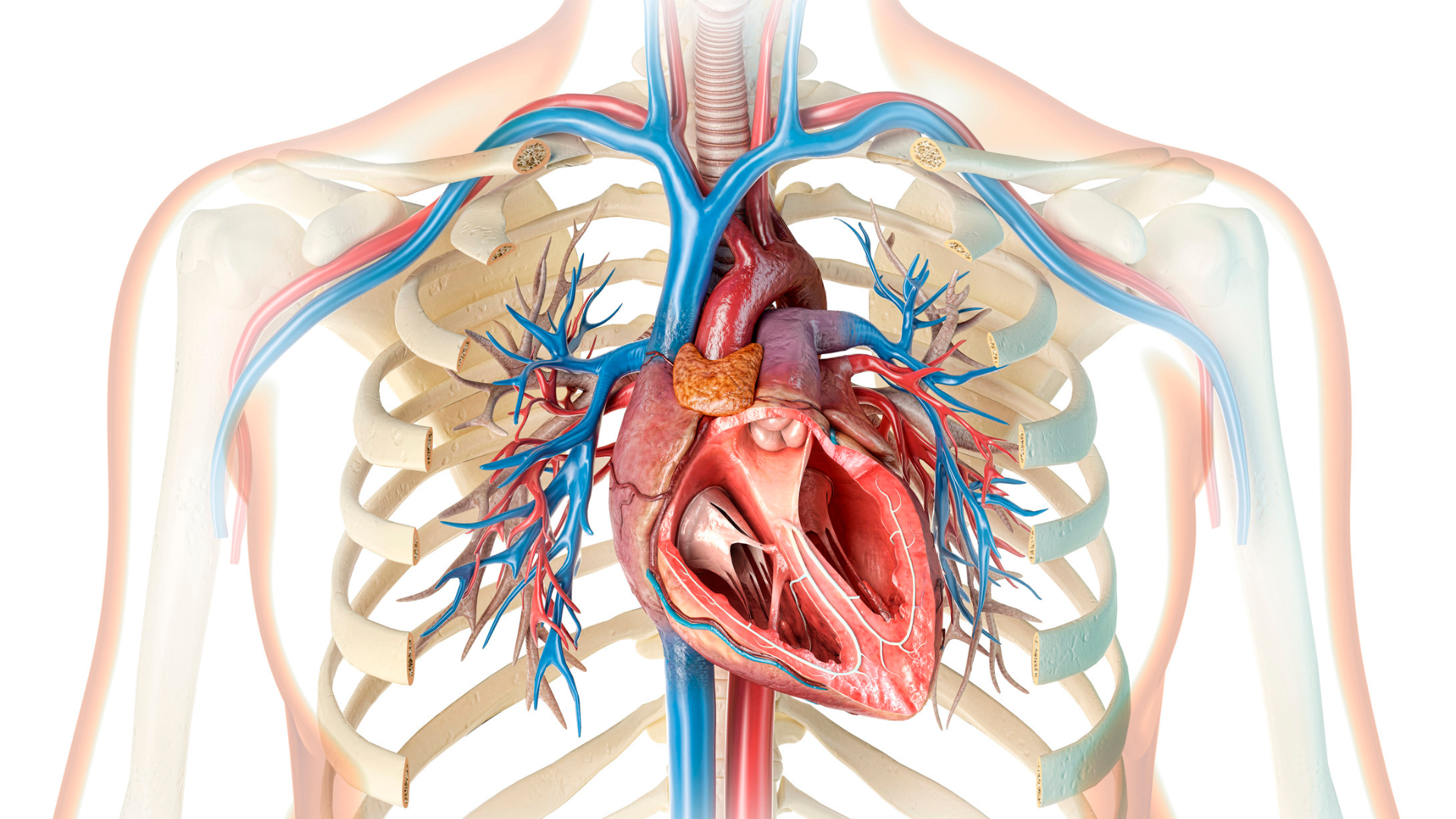
The heart beats because of electrical signals that start in a natural pacemaker called the sinus node. This signal spreads through the upper chambers, then passes through a structure known as the atrioventricular (AV) node before reaching the lower chambers.
The AV node acts as a gatekeeper. It briefly delays the signal to allow the heart’s upper chambers to contract before the lower chambers pump blood to the lungs and body. In heart block, this electrical pathway does not work properly. The delay becomes longer than normal, or the signal fails to pass through altogether.
Types of Heart Block
Heart block is classified into three main types, depending on severity, below is the list…
First-Degree Heart Block
First-degree heart block involves a delay in the electrical signal, but all signals still reach the lower chambers. It often causes no symptoms and is sometimes found incidentally on an ECG.
In many cases, no treatment is required. Doctors usually monitor the condition to ensure it does not progress.
Second-Degree Heart Block
Second-degree heart block means that some electrical signals fail to reach the lower chambers. This leads to occasional missed heartbeats.
There are different subtypes of second-degree block. Some forms are mild and stable, while others may progress to more serious rhythm problems. Symptoms can include dizziness, fatigue, or palpitations.
Third-Degree (Complete) Heart Block
Third-degree heart block is the most serious form. No electrical signals pass from the upper to lower chambers. As a result, the lower chambers generate their own slower rhythm.
This can cause marked bradycardia, which means the heart beats too slowly. Symptoms often include severe dizziness, fainting, breathlessness, or extreme tiredness. This type of heart block usually requires a pacemaker.
What Causes Heart Block?
Heart block can develop for several reasons. Age related changes in the heart’s electrical system are a common cause, particularly in older adults. Other causes include coronary artery disease, previous heart attacks, heart surgery, infections affecting the heart, and certain medications that slow heart rate. In some cases, heart block is present from birth, although this is less common.
Symptoms of Heart Block
Symptoms depend on the type and severity of the block. Mild cases may cause no symptoms at all. When symptoms occur, they often include dizziness, light headedness, fatigue, breathlessness, chest discomfort, or fainting. Some people notice that their pulse feels unusually slow. Blackouts or repeated near fainting episodes should always prompt urgent medical assessment.
How Heart Block Is Diagnosed
Diagnosis usually begins with an ECG, which records the heart’s electrical activity. The ECG shows whether electrical signals are delayed or blocked. If heart block occurs intermittently, longer term heart rhythm monitoring may be required. This involves wearing a small device for 24 hours or longer to capture rhythm changes. An echocardiogram may also be performed to assess heart structure and function. Blood tests can help identify reversible causes such as electrolyte imbalance or thyroid disorders.
How Is Heart Block Treated?
Treatment depends on severity and symptoms. First-degree heart block often requires no treatment other than monitoring. Some cases of second-degree block require observation, while others may need medication adjustment or pacemaker implantation if symptoms develop. Third-degree heart block usually requires a permanent pacemaker. A pacemaker ensures the heart maintains a safe and steady rate by delivering electrical impulses when needed. If medications contribute to the block, adjusting or stopping them may resolve the problem.
Living With Heart Block
Many people with mild heart block live normal lives without restrictions. Regular follow up helps monitor any changes over time.
For those who require a pacemaker, most return to normal activities after recovery. Pacemakers are reliable and significantly reduce symptoms caused by slow heart rhythms. Understanding your condition and recognising symptom changes remain important parts of long term care.
When Should You Seek Medical Advice?
You should seek medical advice if you experience persistent dizziness, unexplained fatigue, fainting, or a noticeably slow pulse.
Sudden blackouts, chest pain, or severe breathlessness require urgent assessment.
If you have already been diagnosed with heart block and notice worsening symptoms, review is important.
You can call us on 01892 526726 to arrange a consultation if you have symptoms or concerns about heart rhythm problems. At our West Kent clinic, we provide thorough evaluation, appropriate testing, and personalised treatment plans for patients across Kent and East Sussex.
Conclusion
Heart block is a condition in which electrical signals in the heart are delayed or interrupted. While mild forms may require only monitoring, more severe types can cause significant symptoms and require pacemaker treatment. Early diagnosis and appropriate management help prevent complications and improve quality of life.
If you are experiencing symptoms of a slow heart rhythm or have concerns about heart block, you can contact us here using our form to arrange specialist assessment with one of our team and take a proactive step towards protecting your heart health.
