
What Is a Heart Attack?
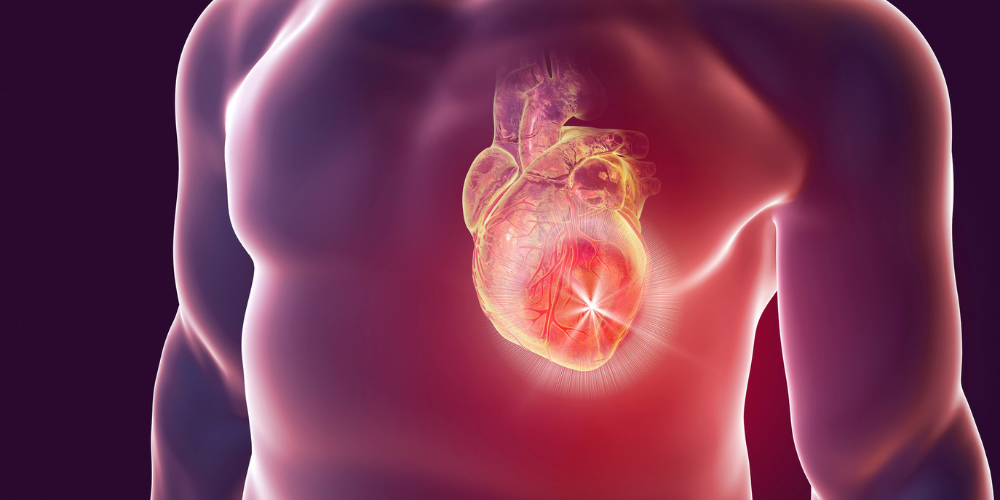
A heart attack happens when the blood supply to part of the heart muscle becomes blocked, usually due to a build-up of fatty deposits (plaques) in the coronary arteries. When this happens, the affected part of the heart doesn’t get enough oxygen, which can cause serious damage if not treated quickly.
At our clinic we often see patients who are uncertain about what a heart attack actually involves, how it differs from other heart conditions, and what early signs to look for. In this blog, we’ll explain what causes a heart attack, common symptoms, and the steps you can take to lower your risk.
What Happens During a Heart Attack?
The heart relies on the coronary arteries to carry oxygen-rich blood to its muscle tissue. Over time, these arteries can become narrowed by fatty material known as plaque a condition called coronary artery disease (CAD). If a piece of this plaque ruptures, it can trigger a blood clot that suddenly blocks blood flow to part of the heart muscle. Without oxygen, the muscle starts to die, which is what we call a myocardial infarction, or heart attack. The longer the blockage remains untreated, the more damage occurs. Quick treatment is crucial to restore blood flow and limit long-term effects.
Common Symptoms of a Heart Attack
Symptoms can vary from person to person, and not every heart attack feels the same. Some are sudden and severe, while others come on gradually. Typical signs include:
- Pressure, heaviness, or tightness in the chest
- Pain that may spread to the jaw, neck, shoulder, or arm
- Shortness of breath
- Nausea or vomiting
- Sweating or clamminess
- Light-headedness or sudden fatigue
It’s worth noting that women, older adults, and people with diabetes may experience less typical symptoms such as mild discomfort, indigestion-like pain, or unusual tiredness. If you or someone around you develops these symptoms, it’s important to call 999 immediately. Quick medical action can save lives. You can find a full list of symptoms on the NHS heart attack page.
What Causes a Heart Attack?
The main cause of a heart attack is atherosclerosis the gradual build-up of plaque in the coronary arteries. Several factors can make this more likely:
- High cholesterol
- High blood pressure (hypertension)
- Smoking
- Diabetes
- Being overweight
- Lack of exercise
- Unhealthy diet
- Stress
- Excessive alcohol consumption
- Family history of heart disease
Many of these factors are linked to lifestyle, meaning that with the right support and care, the risk can often be reduced significantly.
Diagnosing a Heart Attack
When you visit a hospital or cardiology clinic with chest pain or other symptoms, several tests help confirm whether you’ve had a heart attack:
- Electrocardiogram (ECG): Detects abnormal heart rhythms and electrical changes caused by reduced blood flow.
- Blood tests (troponin levels): Detect damage to heart muscle cells.
- Echocardiogram (echo): Uses ultrasound to show how the heart muscle is moving.
- Coronary angiogram: A scan that reveals where the arteries are blocked.
We often use these diagnostic tools to assess heart function and plan ongoing treatment and recovery support for our patients.
Treatment Options Available
Treatment depends on how severe the blockage is and how quickly it’s diagnosed. Common interventions include:
1. Emergency Procedures
- Angioplasty and stent: A small balloon is inflated inside the artery to restore blood flow, and a stent (tiny mesh tube) is placed to keep it open.
- Coronary artery bypass surgery: In some cases, a new route is created around the blocked artery using blood vessels from another part of the body.
2. Medication
Medicines help prevent future clots, control cholesterol, and support heart recovery. These may include:
- Antiplatelet drugs (e.g. aspirin or clopidogrel)
- Statins to lower cholesterol
- Beta-blockers or ACE inhibitors to support heart function
3. Lifestyle Changes
After a heart attack, maintaining a heart-healthy lifestyle is crucial. This includes regular exercise, balanced nutrition, quitting smoking, and managing stress. Recovery can be gradual, but with the right plan and follow-up care, most people return to normal activity levels.
What Happens After a Heart Attack?
After an emergency hospital stay, you’ll likely have several follow-up appointments with your cardiologist. These help monitor recovery and adjust treatment as needed. Rehabilitation programmes, often referred to as cardiac rehab, combine education, exercise, and support to help rebuild confidence and strength. At our clinic, we also focus on preventive care identifying any risk factors that could cause further issues and helping patients manage them effectively. You can contact us here to arrange a follow-up consultation or preventive heart health assessment.
Reducing the Risk of Another Heart Attack
Even after treatment, heart health requires ongoing attention. Some practical ways to lower the risk of another event include:
- Managing blood pressure and cholesterol through regular checks and medication if needed
- Staying physically active, with light to moderate exercise approved by your cardiologist
- Eating a balanced diet, rich in vegetables, whole grains, and lean proteins
- Avoiding smoking and limiting alcohol
- Keeping stress levels under control through mindfulness or relaxation techniques
- Attending regular follow-up appointments to track progress
Preventive care is a lifelong commitment, but it’s one that significantly improves long-term outcomes.
How We Help at West Kent Cardiology Partnership (WKCP)
At West Kent Cardiology Partnership, we provide full support for patients who’ve experienced a heart attack or are at risk of one. Our service includes:
- Detailed diagnostic testing (ECG, echocardiogram, stress testing)
- Ongoing medical management and medication review
- Lifestyle advice and long-term prevention planning
- Personalised follow-up care for recovery and reassurance
We believe that recovery is not only about treating the event itself but also about rebuilding confidence and wellbeing.
Conclusion
A heart attack can be frightening, but understanding what it is and how it happens can make a big difference to your recovery and long-term health. The key is to act fast if symptoms appear and to focus on prevention through a healthy lifestyle and regular heart checks.
WKCP helps patients across Kent, West Kent, and East Sussex manage every stage of heart health from diagnosis and treatment to ongoing care and prevention. If you have symptoms or concerns about your heart, or if you’ve had a heart attack in the past and want further guidance, you can contact us here to arrange an appointment. For more information, visit the NHS Heart Attack Guide or the British Heart Foundation.
