

Echocardiogram Test Kent
An echocardiogram test in Kent is one of the most useful ways to assess how the heart is working. An echocardiogram uses ultrasound to create moving images of the heart, allowing doctors to see the heart muscle, valves, and blood flow in real time.
Many people are referred for an echocardiogram after experiencing symptoms such as breathlessness, fatigue, chest discomfort, or palpitations. Others have the test to investigate a heart murmur or to monitor a known heart condition. We carry out echocardiograms for patients across Kent and East Sussex. This writing explains what an echocardiogram is, why it is used, what it can show, and what to expect if you book a test.
What Is an Echocardiogram?
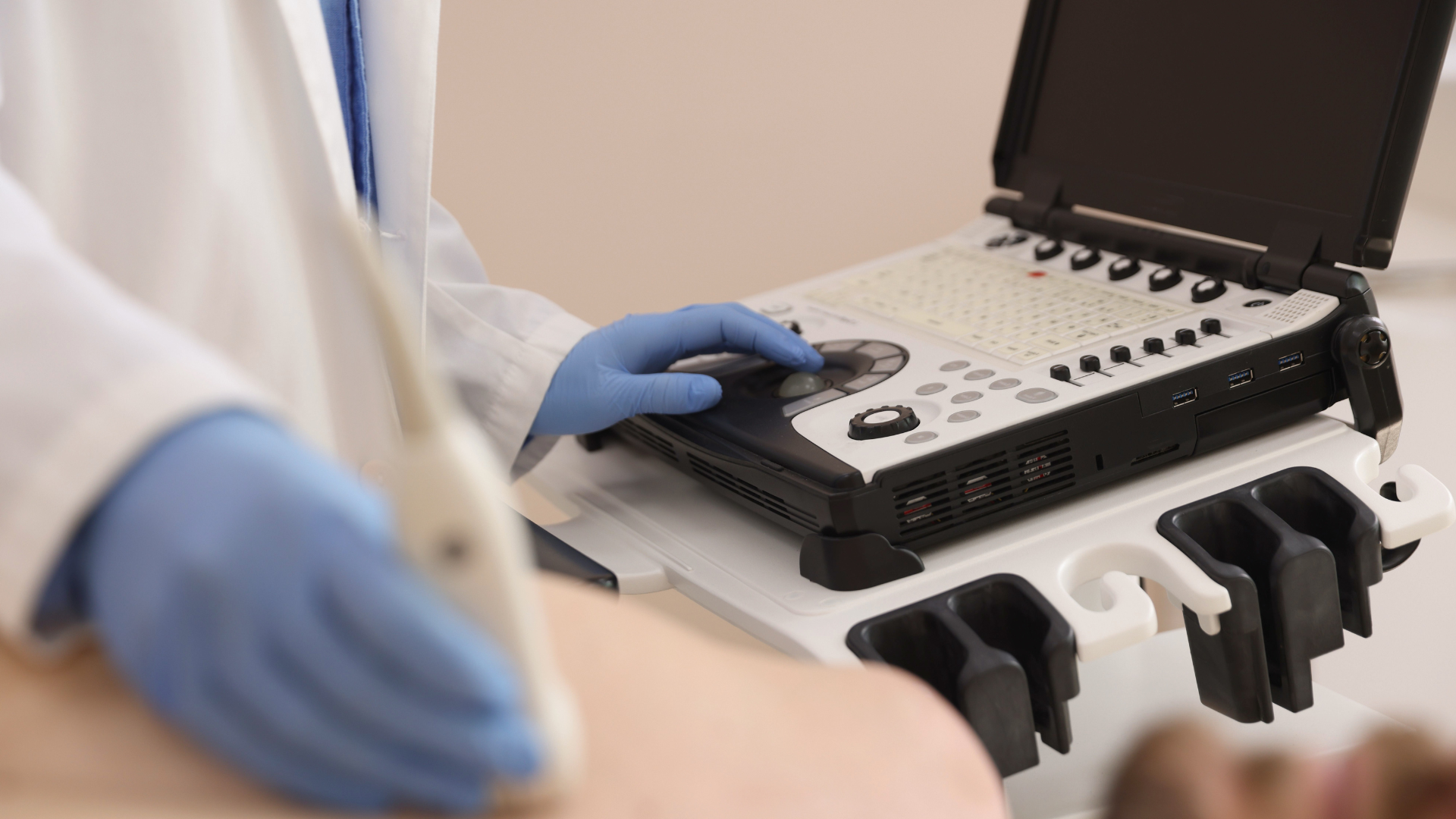
An echocardiogram is an ultrasound scan of the heart. It works in a similar way to pregnancy scans, using sound waves to produce images rather than radiation. A small handheld device called a transducer sends sound waves into the chest. These waves bounce back from the heart structures and are converted into moving images on a screen. The test is painless, non invasive, and safe. It usually takes between 20 and 40 minutes to complete.
What Does an Echocardiogram Show?
An echocardiogram provides detailed information about the heart’s structure and function. It shows how well the heart muscle pumps blood and whether the heart chambers are the correct size. The scan also allows doctors to assess the heart valves. It shows whether valves open and close properly and whether there is narrowing or leakage. Blood flow through the heart can be measured using colour Doppler imaging. This helps identify abnormal flow patterns and pressure changes within the heart.
The test can also detect fluid around the heart and assess how hard the heart is working overall.
Why Might You Need an Echocardiogram Test in Kent?
Doctors often request an echocardiogram to investigate symptoms that may relate to heart structure or function. These symptoms include breathlessness, swelling of the ankles, chest pain, reduced exercise tolerance, or unexplained fatigue. The test is commonly used to assess heart murmurs heard during examination. It helps determine whether a murmur relates to valve disease or another cause. Echocardiograms also play a key role in monitoring known heart conditions such as heart valve disease, heart failure, cardiomyopathy, and congenital heart abnormalities. Some people have echocardiograms as part of routine follow up, even if symptoms are stable, to track changes over time.
Types of Echocardiogram
There are several types of echocardiogram. The most common is a transthoracic echocardiogram, which is performed by placing the probe on the chest wall. This version provides excellent images for most patients. In some cases, a stress echocardiogram is used. This test assesses how the heart works under physical stress or after medication that increases heart workload. It helps identify problems with blood supply to the heart muscle. A transoesophageal echocardiogram involves placing a small probe down the oesophagus to obtain very detailed images. This version is used when more clarity is needed, particularly for valve assessment or clot detection.
What Happens During an Echocardiogram?
When you attend for an echocardiogram test in Kent, a clinician will explain the procedure before starting. You will be asked to lie on an examination couch, usually on your left side.
Gel is applied to the chest to help the probe make good contact with the skin. The transducer is moved gently across different areas of the chest while images are recorded. You may be asked to change position or briefly hold your breath to improve image quality. The test does not cause pain, although you may feel slight pressure from the probe. Once the scan finishes, the gel is wiped away and you can return to normal activities straight away.
How to Prepare for an Echocardiogram
Most echocardiograms require no special preparation. You can eat, drink, and take medication as normal unless advised otherwise. Wearing loose clothing makes it easier to access the chest area. For stress or transoesophageal echocardiograms, specific instructions will be provided in advance. If you have questions or concerns before the test, your cardiologist can talk these through with you beforehand.
What Can an Echocardiogram Help Diagnose?
Echocardiograms are central to diagnosing many heart conditions. They can identify heart valve disease, heart failure, cardiomyopathy, congenital heart defects, and problems with heart muscle thickness or movement. The test also helps assess the effects of long term high blood pressure on the heart and can detect fluid around the heart. Because it shows real time movement, an echocardiogram provides information that other tests cannot.
The British Heart Foundation offers helpful explanations of echocardiograms and what they can reveal.
What Happens After the Test?
After the echocardiogram, a cardiologist reviews the images carefully. Some results may be discussed immediately, while others require more detailed analysis.
Many people find their scan is normal, which provides reassurance. If an abnormality is found, your cardiologist will explain what it means and whether treatment or follow up is needed. You can contact us here to arrange an echocardiogram test in Kent or to discuss whether this investigation is right for you.
Why Echocardiograms Matter
Heart conditions often develop gradually. Symptoms may appear late or seem mild at first. An echocardiogram allows early detection of changes before serious complications develop. Early diagnosis supports timely treatment and careful monitoring. In many cases, this approach helps people avoid hospital admissions and maintain a good quality of life. Echocardiograms also help guide treatment decisions and track progress over time.
Echocardiograms as Part of Wider Heart Care
An echocardiogram rarely stands alone. Cardiologists often combine it with ECGs, blood tests, heart rhythm monitoring, or imaging scans such as CT or MRI. Each test answers a different question. Together, they provide a full picture of heart health and allow personalised care planning. At West Kent Cardiology Partnership, we aim to use investigations that add real value and help patients understand their condition clearly.
Accessing an Echocardiogram Test in Kent
Patients across Kent can access echocardiogram testing through private cardiology clinics. Many people choose private testing for quicker appointments and prompt results. Private echocardiograms suit people with symptoms, known heart conditions, or those seeking reassurance without long waiting times. Both GP referrals and self referrals are accepted.
Conclusion
An echocardiogram test in Kent provides detailed insight into how the heart muscle and valves are working. It is a safe, painless, and highly informative investigation that plays a central role in diagnosing and monitoring heart conditions.
We offer echocardiograms as part of a thorough and patient focused approach to heart care across Kent and East Sussex. If you have symptoms, a heart murmur, or concerns about your heart health, you can call us on 01892 526726 to arrange an appointment.
For further information, the NHS and the British Heart Foundation provide reliable guidance on echocardiograms and heart testing.
