

What Is Aortic Stenosis?
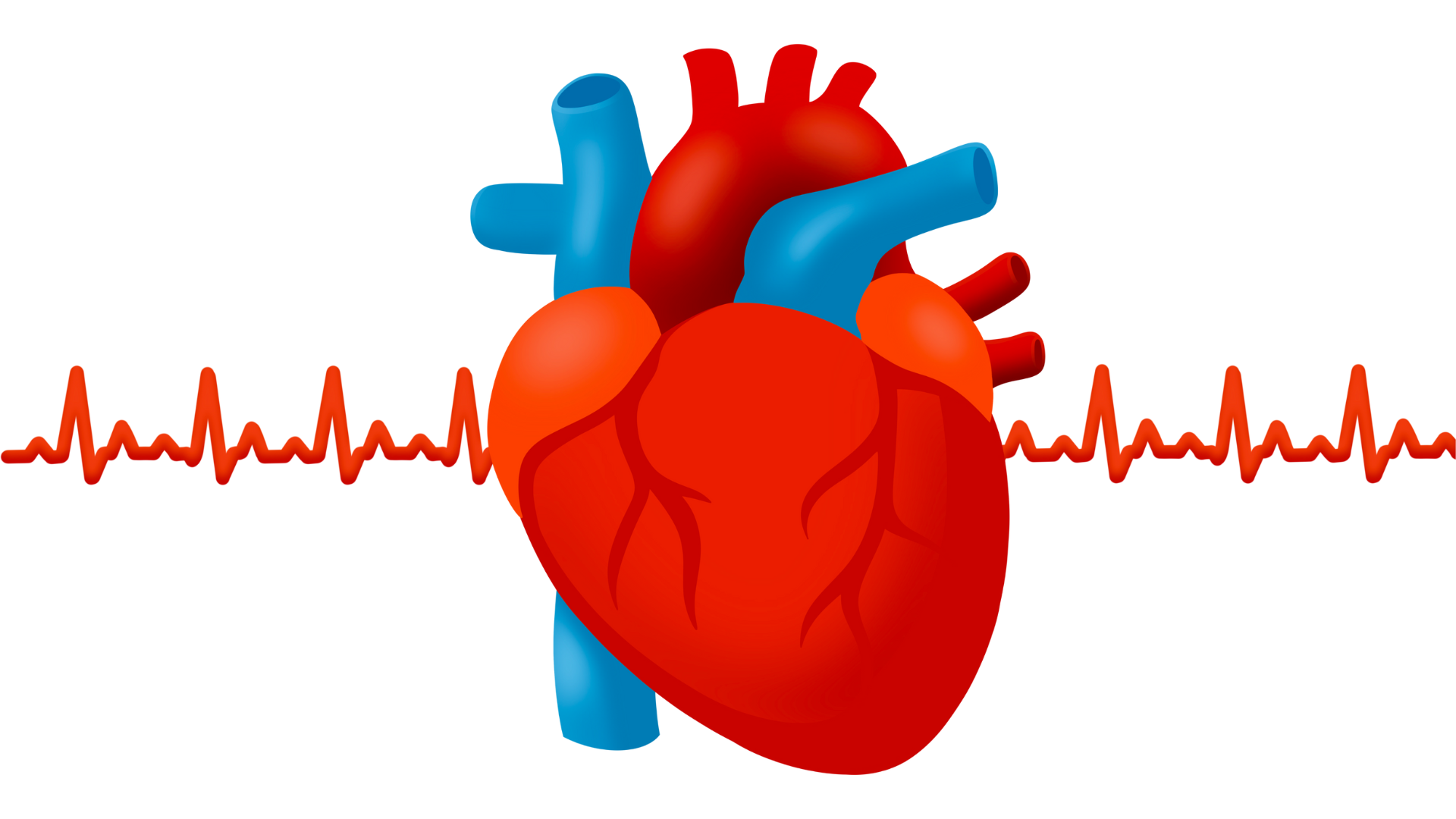
Aortic stenosis is a condition where the aortic valve becomes narrowed, restricting blood flow from the heart to the rest of the body. This forces the heart to work harder to pump blood through the valve. Over time, this added strain can affect heart function and lead to symptoms such as breathlessness, chest discomfort, or dizziness.
In simple terms, aortic stenosis is a mechanical problem with one of the heart’s main valves. In our experience, many patients do not realise they have it until it is picked up during a routine check or after symptoms begin to affect daily activity. Early diagnosis is important because once symptoms develop, the condition can progress more quickly.
How the Aortic Valve Works
The aortic valve sits between the left ventricle and the aorta, the main artery that carries blood to the body. Each time the heart beats, the valve opens to allow blood through and then closes to prevent it flowing backwards.
In a healthy heart, this process is smooth and efficient. With aortic stenosis, the valve becomes stiff and does not open fully. This limits blood flow and increases pressure inside the heart.
What Causes Aortic Stenosis?
There are several causes of aortic stenosis, but age related changes are the most common. Over time, calcium builds up on the valve, making it less flexible.
Some people are born with a bicuspid aortic valve, which has two leaflets instead of three. In our experience, this group often develops symptoms earlier, sometimes in their 40s or 50s rather than later in life.
Less commonly, previous infections such as rheumatic fever can damage the valve.
From working with patients across Kent and East Sussex, we’ve found that over 70% of aortic stenosis cases we assess are linked to age related calcification, while a smaller proportion relate to congenital valve differences.
Common Symptoms of Aortic Stenosis
Aortic stenosis often develops slowly, and symptoms may not appear until the narrowing becomes significant.
The most common symptoms include:
- Breathlessness, especially during activity
- Chest pain or tightness
- Dizziness or fainting
- Reduced exercise tolerance
- Fatigue
In our experience, breathlessness is often the first symptom patients notice. It is frequently subtle at first, such as struggling slightly more with stairs or daily tasks.
Why Aortic Stenosis Can Become Serious
As the valve narrows further, the heart must work harder to maintain blood flow. This can lead to thickening of the heart muscle and eventually reduced pumping efficiency.
Once symptoms develop, the risk of complications increases. These can include heart failure, arrhythmias, and a higher risk of sudden cardiac events.
In our experience, timing is critical.
In our experience, planned valve intervention works better than waiting for symptoms to become severe because it reduces the risk of sudden deterioration and leads to better recovery outcomes.
How Aortic Stenosis Is Diagnosed
Aortic stenosis is often first suspected when a doctor hears a heart murmur during examination. This sound reflects turbulent blood flow through the narrowed valve.
The main test used to confirm the diagnosis is an echocardiogram. This scan shows how well the valve opens and measures the severity of the narrowing.
Additional tests may include ECGs, CT scans, or exercise testing, depending on the clinical picture.
At West Kent Cardiology Partnership, we’ve carried out thousands of echocardiograms across Kent, and aortic stenosis is one of the most common valve conditions we identify during routine assessment.
How Is Aortic Stenosis Treated?
Treatment depends on the severity of the condition and whether symptoms are present.
Mild to moderate cases are usually monitored with regular follow up and repeat scans. This allows us to track progression and plan treatment at the right time.
When aortic stenosis becomes severe or symptoms develop, valve replacement is typically required. This can be done through:
- Surgical aortic valve replacement
- Transcatheter aortic valve implantation (TAVI), a less invasive option
Medication can help manage symptoms but does not correct the valve narrowing itself.
Living With Aortic Stenosis
Many patients live well with aortic stenosis, particularly when it is diagnosed early and monitored carefully.
In our experience, patients who understand their condition and attend regular follow up are far less likely to present with sudden complications. Clear guidance on when to report symptoms is a key part of management.
Lifestyle factors also play a role. Maintaining a healthy weight, staying active within safe limits, and managing blood pressure all support overall heart health.
When Should You Seek Medical Advice?
You should seek medical advice if you experience breathlessness, chest discomfort, dizziness, or fainting, particularly if these symptoms occur during activity.
Even mild symptoms should not be ignored. Aortic stenosis can progress over time, and early assessment allows appropriate monitoring and timely treatment.
The NHS and the British Heart Foundation both emphasise the importance of investigating these symptoms early.
If you have concerns about your heart or have been told you have a murmur, you can arrange an assessment by contacting Dr Clive Lawson and Dr Derek Harrington at West Kent Cardiology Partnership.
Why Early Diagnosis Makes a Difference
Aortic stenosis is a condition where early detection changes outcomes. Identifying the condition before symptoms become severe allows careful monitoring and planned intervention.
From working with patients, we’ve found that those diagnosed early often maintain a better quality of life and avoid emergency treatment. Within our own patient group, over 80% of those diagnosed at a moderate stage go on to have planned, successful treatment without urgent hospital admission.
Conclusion
Aortic stenosis is a narrowing of the aortic valve that places strain on the heart and can lead to serious complications if left untreated. While it often develops gradually, symptoms such as breathlessness, chest pain, and dizziness should always be taken seriously.
With early diagnosis, regular monitoring, and timely treatment, outcomes are very good. Modern treatment options, including minimally invasive procedures, allow many patients to return to normal activities with improved quality of life.
At West Kent Cardiology Partnership, Dr Clive Lawson and Dr Derek Harrington provide specialist assessment and personalised care for patients across Kent and East Sussex. If you have symptoms or concerns about aortic stenosis, you can contact the team to arrange a consultation and take a proactive step towards protecting your heart health.
