What Is a Stroke?
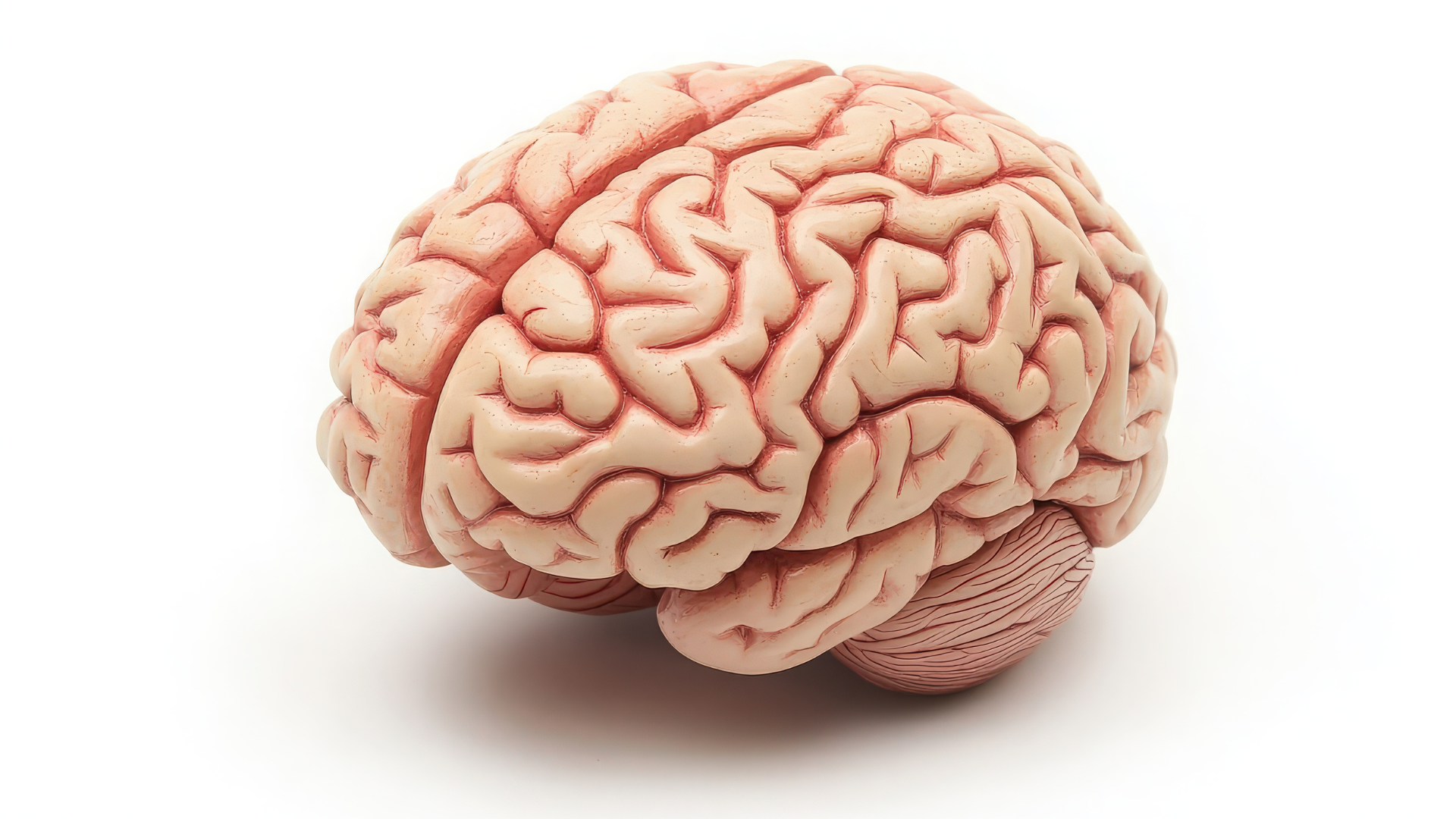
A stroke happens when the blood supply to part of the brain is suddenly interrupted. This interruption prevents brain cells from receiving oxygen and nutrients, which can cause damage within minutes. A stroke is a medical emergency and requires urgent treatment to reduce the risk of long term disability or death.
Often we see hear about people who have had a stroke or who are at increased risk due to heart conditions such as atrial fibrillation, high blood pressure, or heart disease. Understanding what a stroke is, why it happens, and how it links to heart health is an important step in prevention and recovery.
How the Brain’s Blood Supply Works
The brain relies on a constant flow of oxygen rich blood to function properly. Blood reaches the brain through a network of arteries that branch from the heart and neck. If blood flow becomes blocked or a blood vessel ruptures, the affected part of the brain cannot work normally. The longer the interruption lasts, the greater the risk of permanent damage. This is why rapid recognition and treatment of a stroke are critical.
Types of Stroke
There are three main types of stroke, each with a different cause.
- An ischaemic stroke occurs when a blood vessel supplying the brain becomes blocked. This is the most common type of stroke and is often caused by a blood clot.
- A haemorrhagic stroke happens when a blood vessel in the brain bursts and bleeds into surrounding tissue. High blood pressure is a common cause.
- transient ischaemic attack (TIA), sometimes called a mini stroke, causes stroke like symptoms that resolve within a short time. Although symptoms improve, a TIA is a serious warning sign and greatly increases the risk of a future stroke.
What Causes a Stroke?
Strokes usually result from problems affecting blood vessels or blood flow. Common causes include high blood pressure, atrial fibrillation, high cholesterol, diabetes, smoking, and narrowing of the arteries. In atrial fibrillation, the heart beats irregularly, which can allow blood clots to form in the heart. These clots can travel to the brain and block an artery, causing an ischaemic stroke. Other causes include carotid artery disease, heart valve problems, and certain blood disorders. In some cases, especially in younger people, the cause may not be immediately clear.
Stroke Symptoms to Watch For
Stroke symptoms often appear suddenly. Recognising them quickly can save lives. The most common signs include facial drooping, weakness or numbness in one arm, and difficulty speaking or understanding speech. Other symptoms may include vision problems, severe headache, dizziness, confusion, or loss of balance. In the UK, the FAST test is used to help identify stroke symptoms quickly. If any of these signs appear, emergency help should be sought immediately.
The NHS provides clear guidance on recognising stroke symptoms and when to call emergency services.
How Stroke and Heart Health Are Linked
Many strokes have a direct link to heart health. Conditions such as atrial fibrillation, heart failure, and heart valve disease significantly increase stroke risk. High blood pressure damages blood vessels over time and remains the single biggest risk factor for stroke. Poorly controlled cholesterol levels can also lead to plaque build up in arteries supplying the brain. This close link between heart and brain health means that managing heart conditions plays a key role in stroke prevention.
How a Stroke Is Diagnosed
Diagnosis usually begins in hospital with urgent brain imaging, such as a CT or MRI scan. These scans help determine the type of stroke and guide immediate treatment. Blood tests, heart rhythm monitoring, and heart scans may also be performed to identify the underlying cause. Identifying whether a heart condition contributed to the stroke is essential, as this affects long term treatment and prevention strategies
Treatment After a Stroke
Treatment depends on the type of stroke and how quickly it is diagnosed. For ischaemic strokes, clot busting medication or procedures to remove the clot may be used if given early enough. Haemorrhagic strokes require careful management of bleeding and blood pressure. Some cases may need surgery. After the initial emergency treatment, rehabilitation plays a vital role. This may involve physiotherapy, speech therapy, and occupational therapy to support recovery.
Preventing a Stroke
Many strokes are preventable. Managing risk factors significantly reduces the chance of a first or recurrent stroke. Key preventive measures include controlling blood pressure, managing cholesterol, treating atrial fibrillation with appropriate blood thinning medication, stopping smoking, maintaining a healthy weight, and staying physically active. Medication may be prescribed to reduce clot risk or manage underlying conditions. Lifestyle changes also play a powerful role in prevention.
Stroke Risk in People With Atrial Fibrillation
Atrial fibrillation increases stroke risk by up to five times if left untreated. Because AF can occur without obvious symptoms, some people remain unaware of the risk. Regular heart rhythm checks and appropriate treatment greatly reduce stroke risk in people with AF. This is why early diagnosis and ongoing follow up are so important.
Life After a Stroke
Life after a stroke varies from person to person. Some people recover fully, while others experience lasting effects. Early rehabilitation and ongoing support make a significant difference to recovery outcomes. Long term care often focuses on preventing further strokes. This involves medication, lifestyle changes, and regular medical review. Understanding personal risk factors and staying engaged with follow up care helps many people regain confidence and independence.
When to Seek Medical Advice
Anyone who experiences sudden stroke symptoms should seek emergency help immediately.
Time critical treatment can greatly reduce brain damage. If you have had a stroke or TIA, or if you have risk factors such as atrial fibrillation or high blood pressure, regular review is essential.
You can contact us here to discuss stroke risk, heart rhythm concerns, or preventive care with a cardiology specialist.
Summary
A stroke occurs when blood flow to part of the brain is interrupted, causing sudden and potentially life changing effects. While it is a serious medical emergency, many strokes can be prevented through early detection and good management of heart and vascular risk factors.
Our clinic support patients across Kent and East Sussex with stroke risk assessment, heart rhythm monitoring, and personalised prevention plans. If you are concerned about your risk of stroke or have an underlying heart condition, you can call us on 01892 526726 to arrange a consultation and take proactive steps to protect your heart and brain health.
