

ECG Test in East Sussex
An ECG test in East Sussex is a quick and reliable way to check how your heart is beating. ECG stands for electrocardiogram. The test records the heart’s electrical activity and helps identify rhythm problems, signs of strain, or evidence of previous heart damage.
People are often referred for an ECG after experiencing palpitations, chest discomfort, dizziness, or breathlessness. Others choose to have one as part of a routine heart check for reassurance. At West Kent Cardiology Partnership, we provide ECG testing for patients across East Sussex as well as Kent, with clear explanations and prompt results.
What Is an ECG Test?
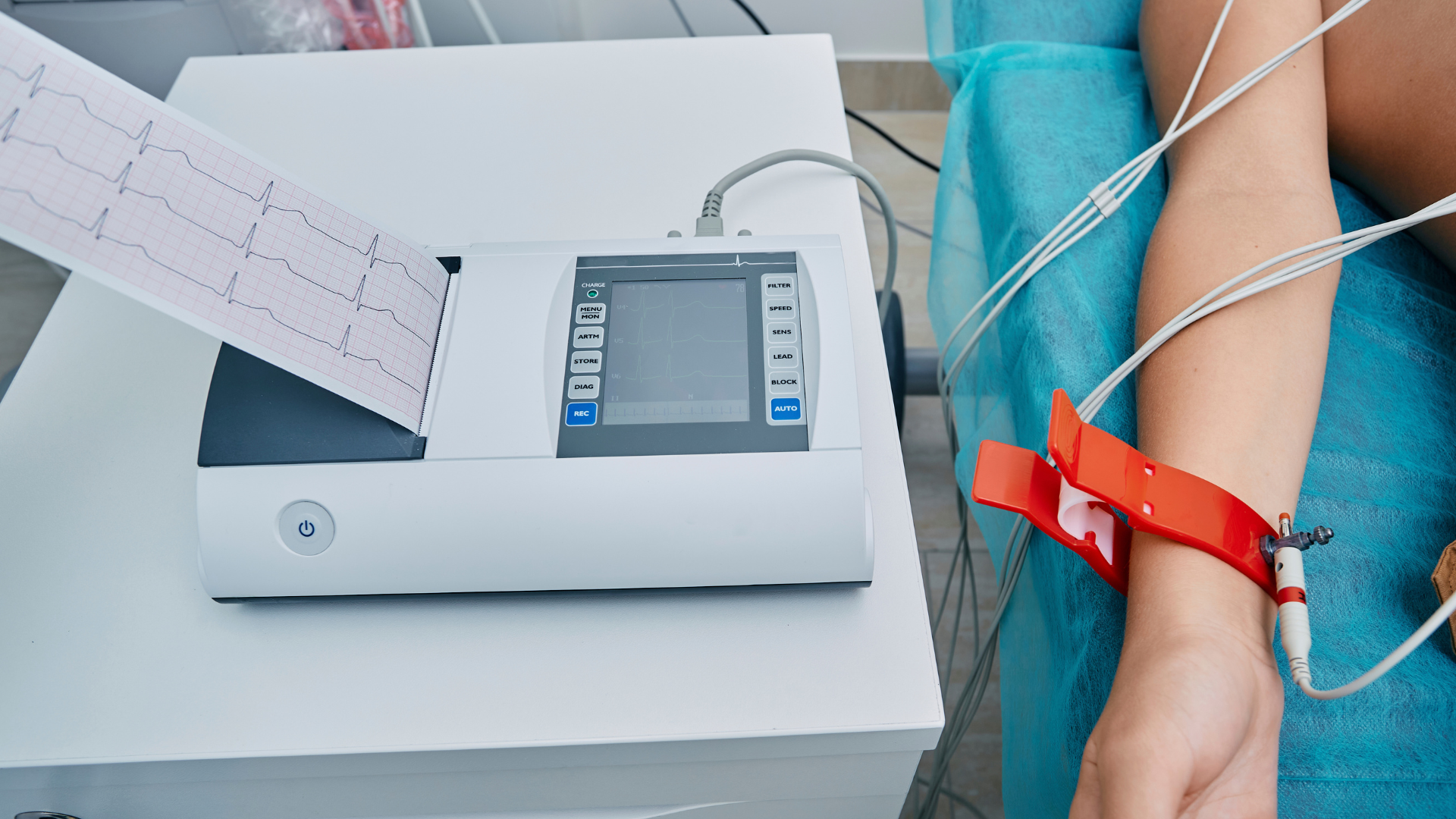
An ECG measures the electrical signals that control each heartbeat. These signals cause the heart muscle to contract and relax in a coordinated way. During an ECG, small sensors called electrodes sit on the skin and record these signals. The ECG machine then produces a trace that shows the timing and pattern of your heartbeat. The test is painless, non invasive, and usually takes only a few minutes to complete.
Why ECG Tests Are Commonly Used
Doctors use ECG tests because they provide immediate information about heart rhythm. An ECG often forms the first step in assessing heart related symptoms.
The test can confirm whether the heart rhythm is regular or irregular. It can also show changes that suggest strain on the heart or previous damage. For many people, a normal ECG brings reassurance and helps rule out serious rhythm problems. When abnormalities appear, the ECG helps guide further testing and treatment.
When Should You Have an ECG Test in East Sussex?
An ECG may be recommended if you notice palpitations, an irregular heartbeat, chest discomfort, breathlessness, dizziness, or fainting. These symptoms can relate to heart rhythm problems, although they may have other causes. Doctors also use ECGs to monitor known heart conditions, assess the effects of medication, or check heart rhythm before certain treatments.
Some people request an ECG even without symptoms. This often happens when there is a family history of heart disease or risk factors such as high blood pressure, diabetes, or high cholesterol.
What Can an ECG Detect?
An ECG can identify many rhythm and electrical problems. These include atrial fibrillation, fast heart rhythms, slow heart rhythms, and conduction delays.
The test can also show signs of heart muscle strain, which may occur with long term high blood pressure. In some cases, the ECG suggests previous heart damage.
However, an ECG does not detect every heart condition. Some rhythm problems come and go, while others only appear during exercise. If symptoms continue, further tests may be needed.
For more detail, the British Heart Foundation offers clear guidance on ECG testing.
Different Types of ECG Tests
Not all ECG tests are the same. The type used depends on your symptoms and medical history.
A resting ECG records your heart rhythm while you lie still. This is the most common type.
A 24 hour or longer ECG monitor records your heart rhythm while you go about daily activities. This option helps capture rhythm changes that occur intermittently.
An exercise ECG records the heart during physical activity. Doctors use it to assess how the heart responds to exertion and whether symptoms appear with exercise.
Your cardiologist will advise which test suits you best.
What Happens During an ECG Test?
When you attend for an ECG test in East Sussex, a clinician will explain the process before starting. You will lie on an examination couch.
Small sticky electrodes are placed on your chest and sometimes on your arms and legs. These connect to the ECG machine.
The recording lasts a short time and causes no discomfort. Once finished, the electrodes are removed and you can return to normal activities straight away.
If you are having longer term monitoring, you will receive clear instructions on wearing the device and recording any symptoms.
How to Prepare for an ECG
ECG tests require very little preparation. Wearing loose clothing helps with electrode placement.
Avoid using creams or lotions on your chest on the day of the test, as these can affect contact with the electrodes.
Try to arrive relaxed, as stress or recent exertion can temporarily raise heart rate. Continue taking your usual medication unless your doctor advises otherwise.
What Happens After the ECG?
After the test, a cardiologist reviews the ECG trace. Many people find their ECG is normal, which provides reassurance.
If the ECG shows an abnormal rhythm or other changes, your cardiologist will explain what this means and discuss next steps. This may include further tests or treatment.
At West Kent Cardiology Partnership, we make sure results are explained clearly and that you understand what they mean for your health.
You can contact us here to arrange an ECG test in East Sussex or to discuss whether this investigation is appropriate for you.
Why Early ECG Testing Matters
Heart rhythm problems do not always cause obvious symptoms. Some arrhythmias remain unnoticed for long periods. An ECG can detect these problems early, allowing monitoring or treatment before complications develop. This early detection plays an important role in reducing long term risks, including stroke in conditions such as atrial fibrillation.
Regular ECG testing also supports people with known heart conditions by helping doctors track changes and adjust treatment when needed.
ECG Tests as Part of Wider Heart Care
An ECG often forms part of a broader heart assessment. Cardiologists may combine it with echocardiograms, blood tests, heart rhythm monitoring, or imaging scans. Each test answers a different question. Together, they help build a full picture of heart health and guide personalised care. We focus on choosing tests that provide clear answers and avoid unnecessary investigations.
Accessing ECG Testing in East Sussex
Patients across East Sussex can access ECG testing through private cardiology clinics. Many people choose private testing because it offers faster appointments and prompt results. Private ECG testing suits people with new symptoms, ongoing concerns, or those seeking reassurance without long waiting times. Both GP referrals and self referrals are accepted.
Conclusion
An ECG test in East Sussex provides a simple and effective way to assess heart rhythm and electrical activity. Whether you have symptoms or want reassurance about your heart health, an ECG can offer valuable insight. If you would like to arrange an ECG or discuss your symptoms, you can contact us here to book an appointment. Alternatively, you can call us on 01892 526726 to book an appointment also.
