

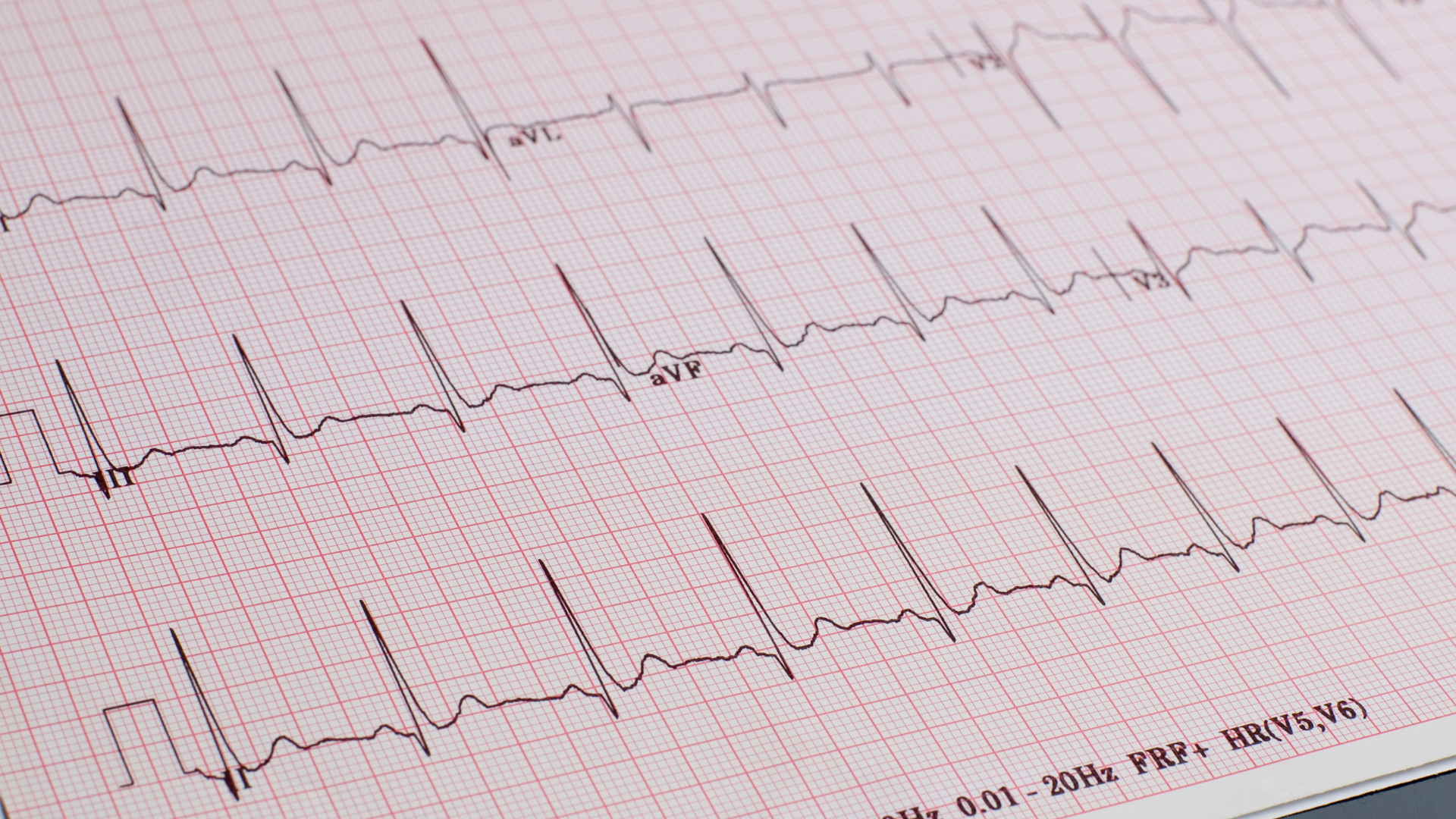
What Are Arrhythmias?
Arrhythmias are conditions that affect the rhythm of the heartbeat. Instead of beating in a steady, regular pattern, the heart may beat too fast, too slowly, or irregularly. Some arrhythmias are harmless and cause little disruption, while others need careful assessment and treatment to reduce the risk of complications.
Regularly we see patients who attend with palpitations, dizziness, or unexplained fatigue and later discover an arrhythmia is responsible. This article aims to explain what arrhythmias are, why they happen, how they are diagnosed, and when treatment may be needed.
How the Heart’s Rhythm Normally Works
The heart beats because of an internal electrical system. Each heartbeat starts with an electrical signal from a natural pacemaker called the sinus node. This signal spreads through the heart in a controlled way, causing the heart muscle to contract and pump blood efficiently. A normal heart rhythm is known as sinus rhythm. It produces a steady heartbeat that usually falls between 60 and 100 beats per minute at rest. When this electrical system becomes disrupted, the rhythm can change, leading to an arrhythmia.
What Causes Arrhythmias?
Arrhythmias can develop for many reasons. Some relate directly to heart disease, while others occur in otherwise healthy hearts. Common causes include coronary artery disease, heart valve disease, heart failure, and previous heart attacks.
Other triggers include high blood pressure, thyroid disorders, electrolyte imbalances, infection, stress, excessive caffeine or alcohol intake, and certain medications. In some cases, arrhythmias develop without a clear cause. Age also plays a role. Arrhythmias become more common as people get older, although younger adults can be affected too.
Types of Arrhythmias
There are many different types of arrhythmias. They are usually grouped based on whether the heart beats too fast, too slowly, or irregularly.
- Tachycardias cause the heart to beat faster than normal. These include atrial fibrillation, atrial flutter, and supraventricular tachycardia.
- Bradycardias cause the heart to beat more slowly than normal. These often relate to problems with the heart’s natural pacemaker or electrical pathways.
- Irregular rhythms involve uneven spacing between beats. Atrial fibrillation is the most common example and affects millions of people in the UK.
Some arrhythmias are short lived and come and go. Others persist and require ongoing management.
Common Symptoms of Arrhythmias
Symptoms vary widely depending on the type of arrhythmia and how fast or slow the heart beats. Some people notice symptoms immediately, while others have no symptoms at all. Common symptoms include palpitations, a fluttering sensation in the chest, breathlessness, dizziness, fatigue, chest discomfort, or fainting. Some people describe a sudden awareness of their heartbeat, especially when resting or lying down. Importantly, a lack of symptoms does not always mean an arrhythmia is harmless. This is why investigation is often recommended, even when symptoms seem mild.
Are Arrhythmias Always Serious?
Not all arrhythmias are dangerous. Many are benign and require no treatment beyond reassurance. For example, occasional extra heartbeats are common and usually harmless. However, some arrhythmias increase the risk of complications. Atrial fibrillation raises the risk of stroke, while certain fast rhythms can weaken the heart over time. Very slow rhythms may cause blackouts or falls. The key lies in identifying which type of arrhythmia is present and whether it affects heart function or overall risk.
How Arrhythmias Are Diagnosed
Diagnosis usually starts with an ECG, which records the heart’s electrical activity. An ECG can identify many arrhythmias immediately if they are present at the time of recording. Because some arrhythmias come and go, longer term heart rhythm monitoring is often needed. This involves wearing a small device for 24 hours or longer while you go about your normal activities. Additional tests may include an echocardiogram to assess heart structure, blood tests to look for underlying causes, or exercise testing if symptoms occur during activity.
Organisations such as the British Heart Foundation and the NHS provide helpful guidance on heart rhythm testing and diagnosis.
How Arrhythmias Are Treated
Treatment depends on the type of arrhythmia, its cause, and how it affects you. Some arrhythmias need no treatment at all and only require monitoring.
When treatment is needed, options may include medication to control heart rate or rhythm. Blood thinning medication is often prescribed for atrial fibrillation to reduce stroke risk.Some people benefit from procedures such as cardioversion, which restores normal rhythm, or catheter ablation, which targets abnormal electrical pathways. Pacemakers may be used for certain slow heart rhythms. We tailor to each individual, with a strong focus on symptoms, lifestyle, and long term safety.
Living With an Arrhythmia
Many people live full and active lives with an arrhythmia once it is properly managed. Understanding your condition helps reduce anxiety and improves confidence in day to day activities.
Lifestyle choices play an important role. Managing stress, limiting alcohol and caffeine, maintaining a healthy weight, and controlling blood pressure all support heart rhythm stability. Regular follow up allows early detection of changes and ensures treatment remains effective.
When Should You Seek Medical Advice?
You should seek medical advice if you experience ongoing palpitations, fainting, chest discomfort, breathlessness, or sudden dizziness. New or worsening symptoms always warrant assessment.
Anyone diagnosed with an arrhythmia should attend regular reviews, even if symptoms improve. Early review helps prevent complications and adjust treatment when needed.
You can contact us here to arrange an assessment or discuss concerns about heart rhythm problems.
Outlook for People With Arrhythmias
The outlook for people with arrhythmias has improved greatly over recent years. Advances in monitoring, medication, and procedures mean most arrhythmias can be managed effectively. Early diagnosis and personalised care make the biggest difference. With the right support, many people experience symptom improvement and maintain a good quality of life.
Conclusion
Arrhythmias are conditions that affect how the heart beats, causing rhythms that are too fast, too slow, or irregular. While some arrhythmias are harmless, others require careful assessment to reduce risks and manage symptoms.
At West Kent Cardiology Partnership, we provide thorough evaluation, clear explanations, and tailored treatment plans for patients with arrhythmias across Kent and East Sussex. If you have symptoms or concerns about your heart rhythm, you can also call us on 01892 526726 to arrange a consultation and take the next step towards reassurance and effective care.
