
What Is Cardioversion?
Cardioversion is a medical treatment used to restore a normal heart rhythm when the heart is beating irregularly or too fast. It is most commonly used for certain types of arrhythmias, particularly atrial fibrillation (AF) and atrial flutter. The aim of cardioversion is to reset the heart’s rhythm so it beats in a regular, coordinated way again.
Quite often we discuss cardioversion with patients who experience ongoing palpitations, breathlessness, or fatigue due to an irregular heart rhythm. We will explain what cardioversion is, why it is used, how it works, and what to expect before and after the procedure.
Why Cardioversion Is Used
The heart relies on a precise electrical system to control each heartbeat. When this system becomes disorganised, the heart may beat irregularly. In conditions such as atrial fibrillation, the upper chambers of the heart do not contract properly, which can reduce pumping efficiency and cause symptoms. Cardioversion aims to restore a normal rhythm, known as sinus rhythm. Restoring sinus rhythm can improve symptoms, increase exercise tolerance, and improve quality of life. For some patients, it also helps the heart pump more effectively. Cardiologists usually consider cardioversion when symptoms persist despite medication, or when the irregular rhythm has developed recently and restoring normal rhythm is likely to succeed.
Types of Cardioversion
There are two main types of cardioversion. The choice depends on the rhythm problem, how long it has been present, and the individual patient.
Electrical Cardioversion
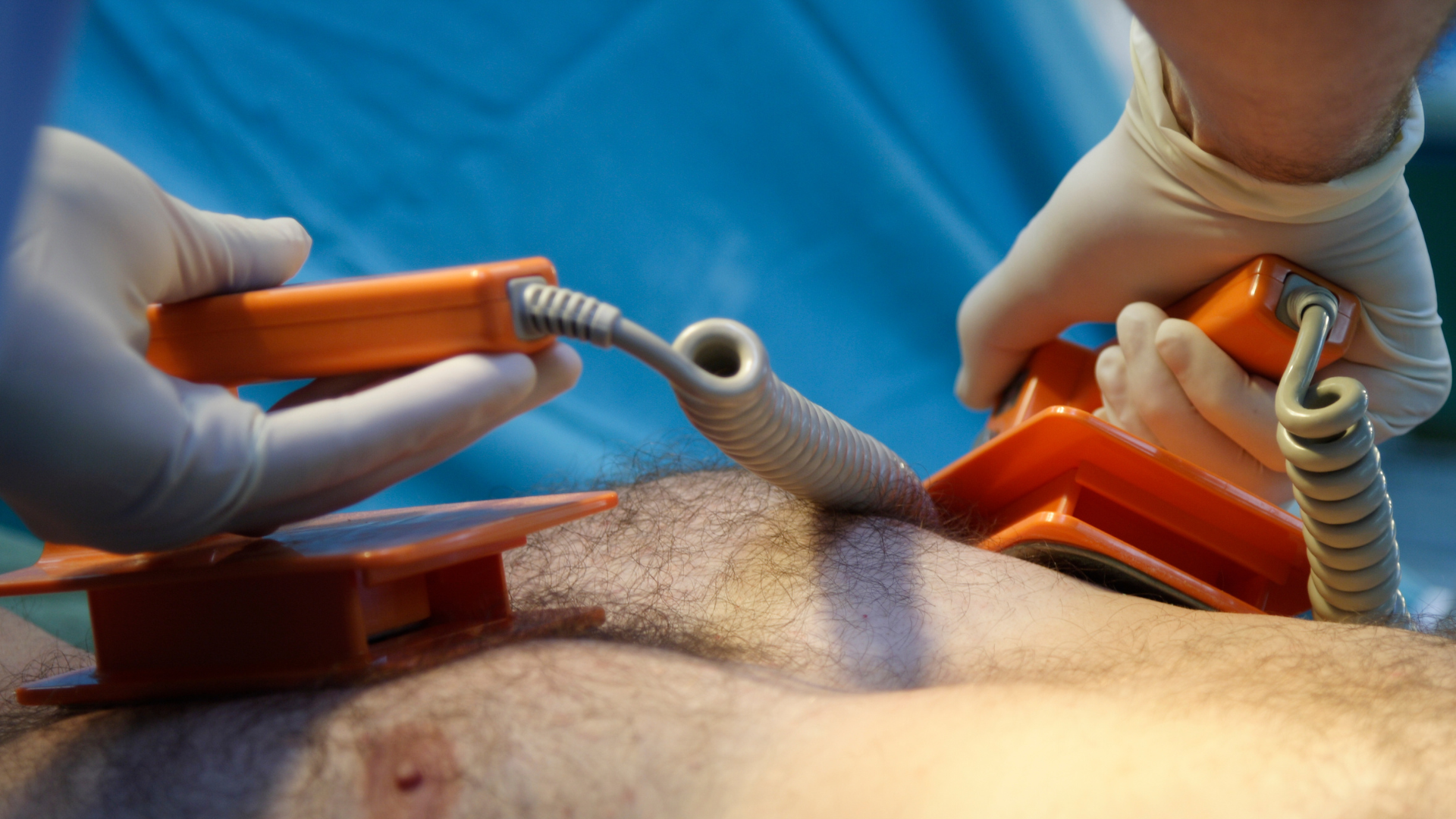
Electrical cardioversion uses a controlled electrical shock delivered to the chest. This shock briefly stops the abnormal electrical activity and allows the heart’s natural pacemaker to take control again. The procedure takes place in a hospital or specialist clinic setting. Patients receive short acting sedation so they sleep through the shock and feel no pain. The shock itself lasts only a fraction of a second. Electrical cardioversion is highly effective and often restores normal rhythm immediately.
Chemical Cardioversion
Chemical cardioversion uses medication to restore normal rhythm. These medicines act on the heart’s electrical system and may be given through a vein or as tablets. This approach may suit some patients, especially if the arrhythmia has started recently or if electrical cardioversion is not appropriate. Chemical cardioversion can take longer to work and is not always successful, but it avoids the need for an electrical shock.
Which Heart Rhythm Problems Are Treated With Cardioversion?
Cardioversion is most commonly used for atrial fibrillation and atrial flutter. It may also be used for certain other supraventricular arrhythmias. It is not usually used for every type of irregular rhythm. Some arrhythmias respond better to long term rate control or other treatments such as ablation. Your cardiologist will explain whether cardioversion is suitable for your specific rhythm problem.
Preparing for Cardioversion
Preparation is an important part of cardioversion. In atrial fibrillation, blood can pool in the upper chambers of the heart, which increases the risk of clot formation. Restoring normal rhythm without addressing this risk can increase the chance of stroke. For this reason, many patients need to take blood thinning medication for several weeks before cardioversion. In some cases, a special heart scan called a transoesophageal echocardiogram is performed before the procedure to check for clots inside the heart. Your cardiologist will also review medications, perform blood tests, and check heart rhythm before scheduling cardioversion.
What Happens During Electrical Cardioversion?
On the day of the procedure, you will attend a hospital or clinic setting. Staff will check your heart rhythm, blood pressure, and oxygen levels. You will receive short acting sedation through a vein, which allows you to sleep briefly. Once you are asleep, pads are placed on the chest and sometimes the back. A controlled electrical shock is delivered to the heart. This shock lasts less than a second. In many cases, the heart returns to a normal rhythm straight away. The entire procedure usually takes only a few minutes, although you will remain under observation until the sedation wears off.
What Does Cardioversion Feel Like?
Most patients do not feel the shock itself because of the sedation. After the procedure, some people notice mild chest soreness or skin redness where the pads were placed. This usually settles within a day or two. Many patients feel an improvement in symptoms such as breathlessness or fatigue once normal rhythm returns. Others notice improvement gradually over days or weeks.
What Happens After Cardioversion?
After cardioversion, your cardiologist will check your heart rhythm and monitor you for a short period. You can usually go home the same day, but you will need someone to accompany you and drive you home. Blood thinning medication often continues for several weeks or longer, depending on your stroke risk. Your cardiologist may also prescribe medication to help maintain normal rhythm. Follow up appointments are important. They allow your doctor to check whether the normal rhythm has been maintained and adjust treatment if needed.
You can contact us here to arrange a review or discuss whether cardioversion may be suitable for you.
How Successful Is Cardioversion?
Electrical cardioversion is often successful at restoring normal rhythm in the short term. However, success over the long term depends on several factors. These include how long the arrhythmia has been present, heart size, underlying heart disease, and other medical conditions.
In some people, atrial fibrillation may return weeks or months after cardioversion. This does not mean the procedure has failed. It often provides useful information about how the heart responds and helps guide future treatment decisions.
Risks and Safety
Cardioversion is a well established and generally safe procedure when performed with proper preparation. The main risks include blood clots, skin irritation from pads, and rare rhythm disturbances. Careful assessment and blood thinning treatment greatly reduce these risks. Sedation related side effects are uncommon and usually mild. Your cardiologist will explain the risks and benefits clearly before recommending cardioversion.
Cardioversion Compared With Other Treatments
Cardioversion focuses on restoring normal rhythm. Other treatments may focus on controlling heart rate rather than rhythm. In some cases, long term medication alone is enough to manage symptoms. In others, procedures such as catheter ablation may offer a more lasting solution. It often forms part of a wider treatment plan rather than acting as a stand alone solution.
Living After Cardioversion
Many people return to normal daily activities quickly after cardioversion. Maintaining heart health through regular exercise, weight management, blood pressure control, and limiting alcohol intake can help reduce the chance of rhythm recurrence.
Ongoing follow up allows early detection if the arrhythmia returns. Prompt review helps adjust treatment and protect long term heart health.
Conclusion
Cardioversion is a treatment used to restore a normal heart rhythm in people with certain arrhythmias, most commonly atrial fibrillation. It can improve symptoms, quality of life, and heart function when used in the right patients.
We assess each patient carefully and explain all options clearly. If you have an irregular heartbeat and would like to discuss whether cardioversion is appropriate for you, you can call us on 01892 526726 to arrange a consultation. With proper assessment, preparation, and follow up, cardioversion remains a safe and effective part of modern heart rhythm care.
