
What Is Heart Disease?
Heart disease is a broad term that describes a range of conditions affecting the heart and blood vessels. It is one of the most common health concerns in the UK and a leading cause of illness worldwide. Despite this, many people are unsure what heart disease actually means, how it develops, and what symptoms to look out for. We speak to many patients who want a clearer understanding of the different types of heart disease and how they can protect their long term heart health. Therefore, we have written this blog to help with understanding.
Understanding the Term “Heart Disease”
Heart disease is not one single condition. Instead, it refers to several disorders that affect how the heart functions. These conditions can involve the coronary arteries, the heart muscle, the heart valves, or the electrical system that controls the heartbeat.
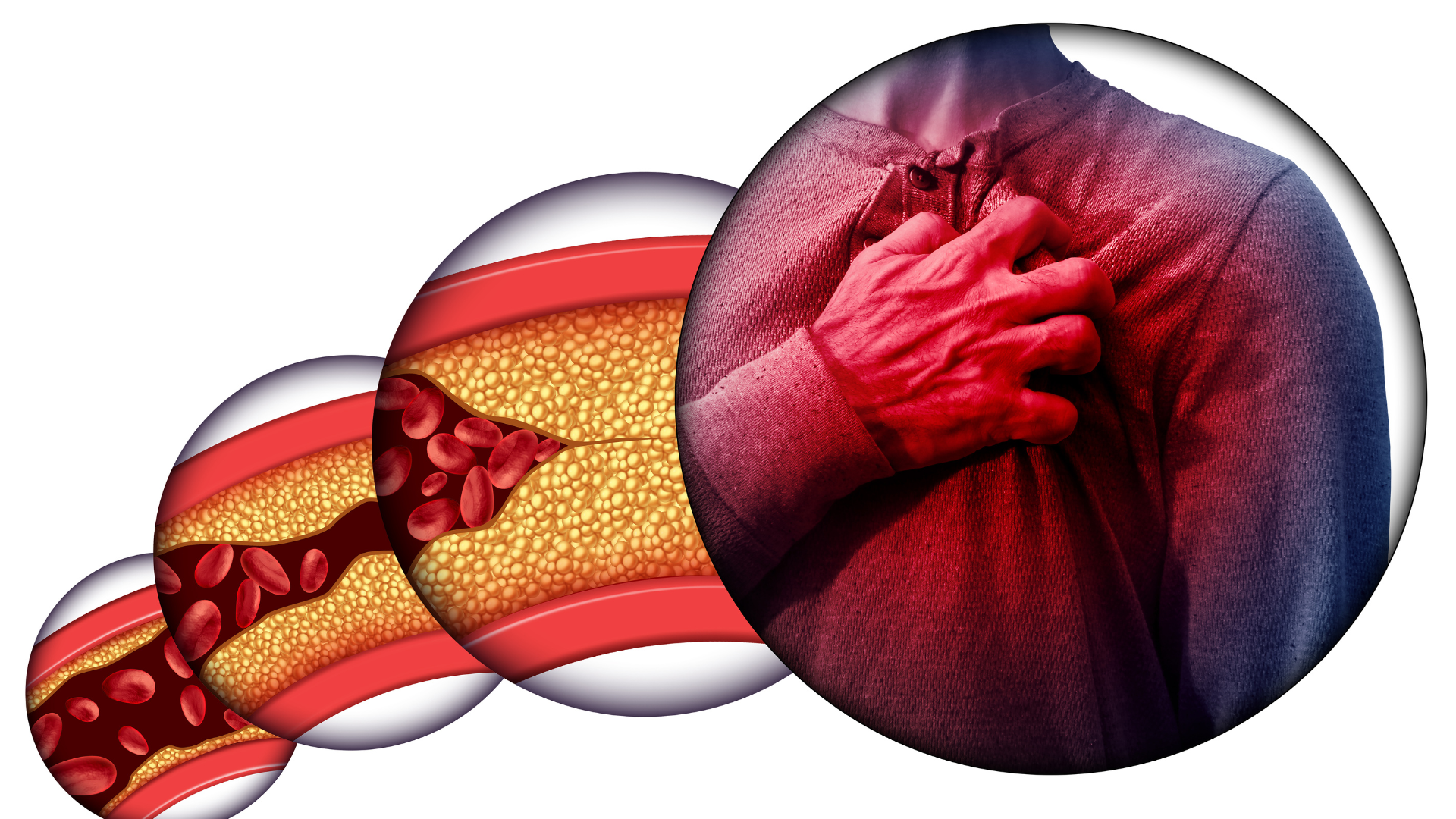
The most common form of heart disease in adults is coronary artery disease (CAD), where fatty deposits build up inside the arteries that supply the heart. However, other forms of heart disease can also cause symptoms and require medical care.
Types of Heart Disease
Several conditions fall under the umbrella of heart disease. The most frequent include:
Coronary artery disease (CAD)
This develops when plaque builds up inside the coronary arteries, narrowing them and reducing blood flow to the heart. CAD is the leading cause of angina and heart attacks.
Heart failure
This occurs when the heart becomes less effective at pumping blood. It does not mean the heart has stopped working, but rather that it needs support to function properly. Symptoms can include breathlessness, fatigue, and swelling in the legs.
Arrhythmias
These are conditions that affect the heart’s rhythm. The heart may beat too fast, too slow, or irregularly. While some arrhythmias are harmless, others may require treatment to prevent complications.
Heart valve disease
The heart contains four valves that help blood flow in the correct direction. If these valves become narrowed or leaky, the heart must work harder to circulate blood.
Cardiomyopathy
This refers to diseases of the heart muscle. The heart may become thickened, enlarged, or weakened, affecting its ability to pump effectively.
Each of these conditions has different causes, symptoms, and treatment options. More information about these conditions is available through the British Heart Foundation.
What Causes Heart Disease?
Heart disease often develops over many years, influenced by a combination of lifestyle factors, medical conditions, and inherited risk. Some are but not limited to
- High blood pressure
- High cholesterol
- Smoking
- Diabetes
- Being overweightLack of exercise
- Stress
- Family history of heart disease
- Increasing age
These factors can damage the arteries or heart muscle over time, increasing the likelihood of developing symptoms. However, many of these risks are manageable with support and lifestyle changes.
Common Symptoms of Heart Disease
Symptoms vary depending on the type of heart disease. Some conditions develop slowly with subtle signs, while others appear suddenly. Common symptoms include:
- Chest pain or tightness
- Breathlessness during activity or rest
- Irregular or racing heartbeat
- Fatigue that feels out of proportion
- Swelling in the ankles or legs
- Dizziness or fainting
- Persistent cough (often linked with heart failure)
Some people have no symptoms at all until the condition becomes advanced, which is why routine heart checks can be so valuable.
How Heart Disease Is Diagnosed
Diagnosing heart disease involves a combination of medical history, physical examination, and cardiac tests. Depending on your symptoms, a cardiologist may recommend:
]Electrocardiogram (ECG): Checks the electrical activity of the heart.
Echocardiogram: Ultrasound scan showing how the heart is pumping and how the valves are working.
Blood tests: Used to assess cholesterol levels, inflammation, or signs of strain on the heart.
CT coronary angiogram: Provides detailed images of the coronary arteries to assess narrowing or blockages.
Stress testing: Evaluates how the heart performs during physical activity.
Treating Heart Disease
Treatment depends on the type of heart disease and how severe it is. In most cases, care involves a combination of lifestyle changes, medication, and sometimes procedures or surgery. Lifestyle adjustments may include improving diet, increasing physical activity, stopping smoking, managing stress, and maintaining a healthy weight. These changes play an essential role in preventing progression and reducing symptoms. Medication may be used to improve blood flow, lower cholesterol, control rhythm problems, or manage blood pressure. For more advanced cases, procedures such as stent placement, valve repair, or bypass surgery may be recommended.
Can Heart Disease Be Prevented?
While you cannot change some risk factors such as age or family history, many causes of heart disease are preventable. Taking steps early makes a significant impact on long term heart health. Beneficial lifestyle habits include:
- Eating a balanced, heart friendly diet
- Staying active with regular exercise
- Limiting alcohol and avoiding smoking
- Keeping cholesterol and blood pressure within healthy ranges
- Managing weight and reducing stress
Conclusion
Heart disease covers a wide range of conditions that affect how the heart functions. Although common, it is not inevitable. Understanding the causes, recognising symptoms early, and adopting a proactive approach to heart health can make a meaningful difference.
WKCP helps patients across Kent and East Sussex understand their risks, diagnose conditions early, and manage their heart health effectively. If you are experiencing symptoms or simply want reassurance, you can contact us here to arrange a consultation.
