
How Does a Heart Attack Happen?
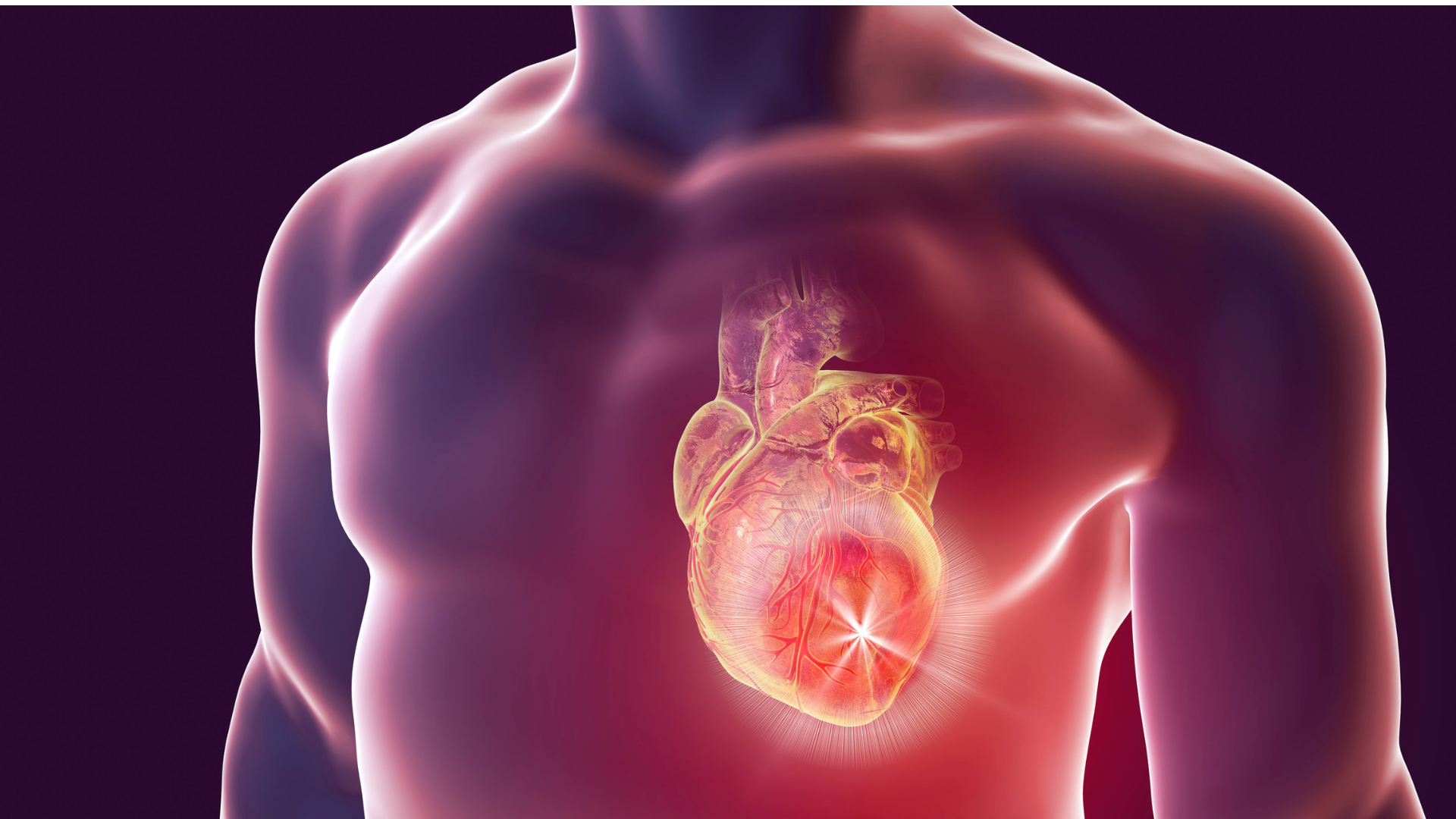
A heart attack occurs when the blood supply to part of the heart muscle becomes suddenly blocked. Without oxygen-rich blood, the affected area of the heart begins to suffer damage, and if the blockage is not treated quickly, this damage can become permanent.
Many people know what a heart attack is, but fewer understand how it actually happens or why it occurs in the first place. We will give you the information you need below:
The Role of the Coronary Arteries
The heart needs a constant supply of oxygen to function. This oxygen is delivered through the coronary arteries, which wrap around the heart like a network of vital roads. As long as these arteries are clear, the heart receives the blood it needs to pump efficiently.
A heart attack happens when one of these arteries becomes blocked, disrupting that supply. The most common cause of this blockage is a condition called coronary artery disease (CAD).
How Coronary Artery Disease Leads to a Heart Attack
Coronary artery disease is a gradual process that develops over many years. Fatty deposits, known as plaque, build up along the artery walls. This build up does not usually cause symptoms at first, but over time it narrows the arteries and reduces blood flow.
A heart attack happens when:
- A section of plaque becomes unstable
- The plaque ruptures or breaks open
- A blood clot forms at the site of the rupture
- The clot blocks the flow of blood through the artery
Once blood flow stops, the heart muscle is starved of oxygen. The longer this continues, the greater the damage. This is why urgent treatment is essential. More detail about coronary artery disease can be found on the British Heart Foundation site.
What Triggers a Heart Attack?
Heart attacks do not always happen during extreme exertion or stress. In fact, many occur while a person is resting. A trigger is not always obvious, but factors that can contribute include:
- Significant emotional stress
- Sudden physical effort
- High blood pressure
- Smoking
- A large meal
- Cold weather
- Sudden surge in heart rate
However, the underlying issue is almost always narrowed arteries due to plaque build-up.
Symptoms That Suggest a Heart Attack Is Happening
Understanding the signs of a heart attack is just as important as knowing why it happens. Symptoms can vary, but common ones include:
- Chest discomfort described as pressure, heaviness, or tightness
- Pain spreading to the jaw, neck, back, shoulders, or arms
- Sudden shortness of breath
- Nausea, sweating, or dizziness
- A feeling of anxiety or impending doom
Some people, particularly women and people with diabetes, may have milder symptoms such as indigestion-like discomfort or unusual fatigue. Any suspicion of a heart attack should be treated as a medical emergency. Call 999 immediately if symptoms appear. The NHS heart attack guide provides full symptom details.
Why Timing Matters
When blood flow is blocked, heart muscle begins to die. The longer the artery is obstructed, the more muscle is lost. This is why the phrase “time is muscle” is often used in cardiology. Quick treatment can make a significant difference. Restoring blood flow early helps limit damage and improves long-term recovery.
How Heart Attacks Are Treated
Emergency treatment aims to reopen the blocked artery. This is usually done with one of the following:
Angioplasty and stent placement:
A small balloon is inserted into the artery and inflated to clear the blockage. A stent (a tiny mesh tube) is then placed to keep the artery open.
Medication:
Drugs may be used to dissolve clots, reduce strain on the heart, and prevent further blockage.
Coronary artery bypass surgery:
In some cases, surgeons create a new route for blood to reach the heart using a blood vessel taken from elsewhere in the body.
After the emergency phase, most patients receive medication to reduce the chance of another heart attack. Lifestyle changes also play an important role in long-term recovery.
Reducing the Risk of a Heart Attack
A heart attack is usually the result of years of changes in the arteries rather than a single event. Many risk factors are manageable, which means prevention is possible.
Making the following changes can significantly reduce risk:
- Stopping smoking
- Eating a heart-healthy diet
- Maintaining a healthy weight
- Managing blood pressure and cholesterol
- Staying physically active
- Reducing alcohol intake
- Managing stress effectively
Regular check ups with a cardiologist can help identify early warning signs before a heart attack occurs. You can contact us here to arrange a heart health assessment if you’re concerned about your risk.
Understanding Silent Heart Attacks
Some heart attacks occur with very mild or unusual symptoms and may go unnoticed at the time. These are known as silent heart attacks. Although they cause less dramatic symptoms, they can still result in heart damage and should be taken seriously.
Anyone with diabetes or existing heart disease is more likely to experience one. This is another reason routine assessments and regular monitoring can be extremely valuable.
Conclusion
A heart attack happens when a coronary artery becomes blocked, cutting off the heart’s oxygen supply. This is usually the result of plaque build up and a sudden blood clot. Recognising the warning signs and understanding how heart attacks develop empowers you to act quickly and reduce future risk. At West Kent Cardiology Partnership, we provide comprehensive assessments, advanced cardiac testing, and long term care for patients across Kent and East Sussex. If you want to understand your own heart health better or have concerns about symptoms, you can call 01892 526726 to arrange a consultation.
