

What Is the Term Angina?
Angina is a type of chest discomfort that occurs when the heart muscle isn’t receiving enough oxygen-rich blood. It is not a disease in itself but a symptom of an underlying problem, usually coronary artery disease (CAD). Many people describe angina as a pressure, tightness, or heaviness in the chest, though it can also cause discomfort in the jaw, neck, back, or arms.
Often we meet patients who have heard of angina but are unsure what it really means or how it differs from a heart attack. This post explains what angina is, why it happens, the symptoms to look out for, and how it is diagnosed and managed.
What Does Angina Mean?
The term angina comes from the Latin word for “tightness,” which accurately reflects the feeling many people experience. Angina occurs when the coronary arteries the vessels that supply blood to the heart muscle become narrowed. These narrowed arteries restrict blood flow during times when the heart needs more oxygen, such as during physical activity or emotional stress.
When this temporary mismatch in oxygen supply happens, the heart muscle becomes strained, leading to chest discomfort. Once activity stops and the heart’s oxygen demand drops, the symptoms often ease.
What Does Angina Feel Like?
Angina can present in several different ways. The most common description is a pressure or heaviness in the chest. Some people feel tightness, while others describe it as a burning or squeezing sensation. The discomfort may stay in the chest or spread to the arms, shoulders, back, neck, or jaw.
It can also cause breathlessness, fatigue, nausea, or light-headedness. Some people feel only mild discomfort, while others experience more intense symptoms. Women and people with diabetes may notice less typical sensations, such as breathlessness or indigestion-like discomfort rather than chest pain.
| Location of Discomfort | Associated Symptoms | Atypical Presentation |
| Chest (pressure, heaviness, tightness, burning, or squeezing). | Breathlessness. | Women and people with diabetes may notice breathlessness or indigestion-like discomfort rather than chest pain. |
| Spread to the arms, shoulders, back, neck, or jaw. | Fatigue, nausea, or light-headedness. | Some people feel only mild discomfort. |
Why Does Angina Happen?
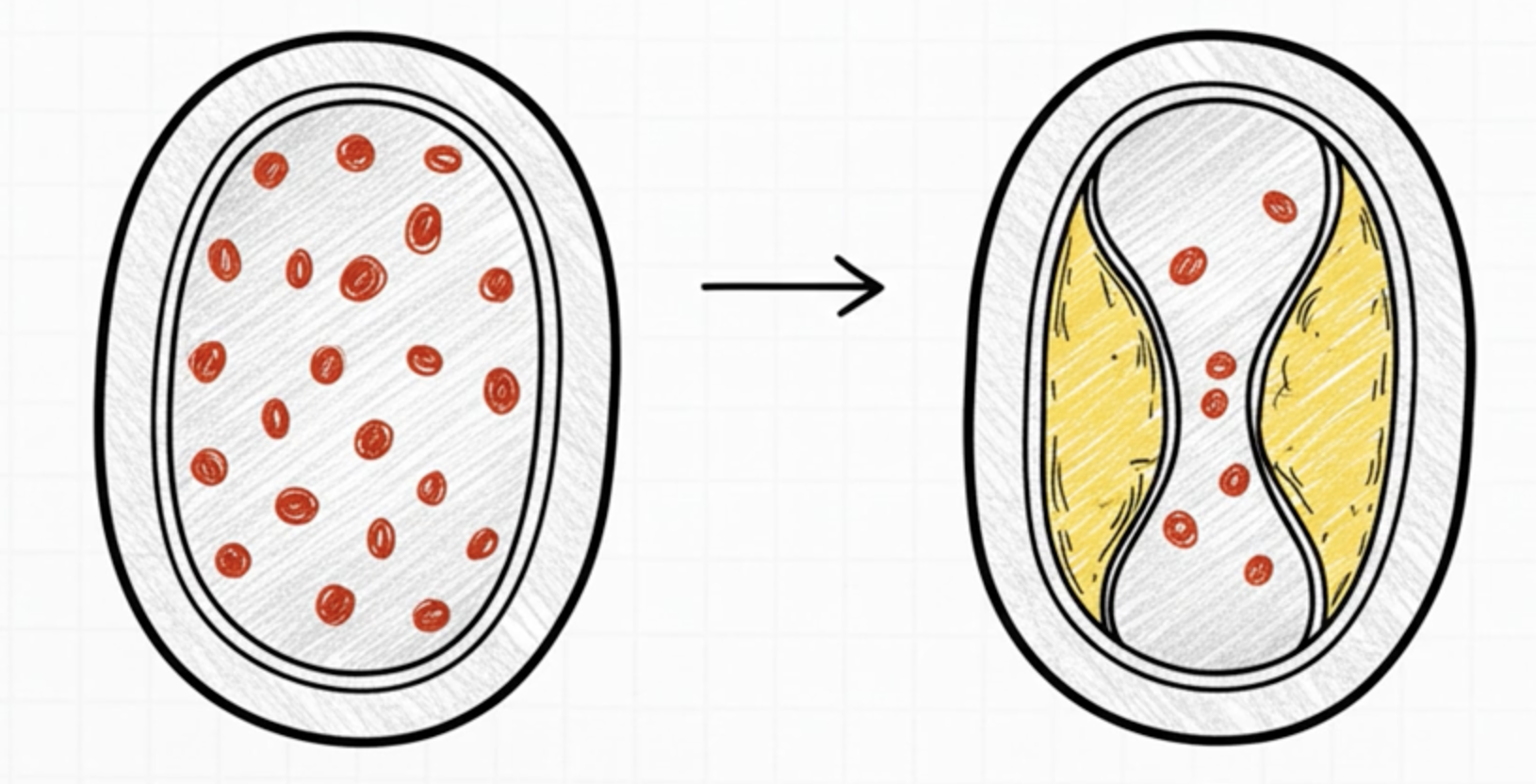
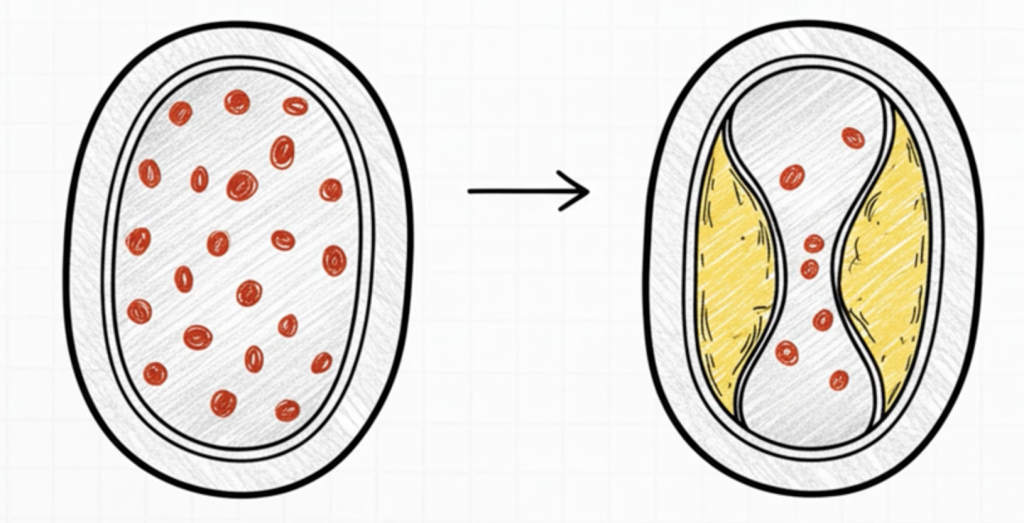
Most cases of angina are caused by coronary artery disease, where fatty deposits called plaque build up inside the coronary arteries (healthy artery has a picture on the left, and one with plaque build up on the right). Over time, these deposits narrow the arteries, reducing blood flow to the heart muscle. When the heart has to work harder for example, during exercise, climbing stairs, or experiencing stress the reduced blood flow cannot meet the increased demand, resulting in angina.
Risk factors for developing CAD and angina include high blood pressure, high cholesterol, diabetes, smoking, obesity, and a family history of heart disease. Identifying and managing these factors early can significantly reduce the risk of angina and more serious complications.
Types of Angina
There are two main forms of angina:
Stable angina
This is the most common type. Symptoms follow a predictable pattern, often triggered by activity or stress and relieved by rest. Stable angina is a sign that the heart is under strain due to narrowed arteries.
Unstable angina
This is more serious and can occur even when resting. Symptoms may come on suddenly, last longer, or feel more intense than usual. Unstable angina may be a warning sign of an imminent heart attack and requires urgent medical attention.
Some people may also experience a less common type known as variant (Prinzmetal’s) angina, caused by temporary spasms in the coronary arteries.
How Is It Diagnosed?
If you have symptoms that suggest angina, a cardiologist may begin with a detailed discussion about your health, medical history, and any risk factors. Several tests help confirm the diagnosis and assess how well the heart is working. These may include:
| Diagnostic Tool | Purpose |
| ECG | Records the heart’s electrical activity. |
| Echocardiogram | Uses ultrasound to view the heart’s structure. |
| Stress Test | Shows how the heart responds to exercise. |
| CT Coronary Angiogram | Provides detailed images of the coronary arteries |
These investigations help determine whether your symptoms are due to reduced blood flow to the heart and what level of narrowing is present. You can find more information about cardiac tests from the British Heart Foundation.
Is Angina the Same as a Heart Attack?
No. Although angina can feel similar, a heart attack is different and far more serious. A heart attack occurs when blood flow to part of the heart is completely blocked, leading to permanent damage. Angina, on the other hand, results from temporary reduced blood flow and does not cause lasting injury.
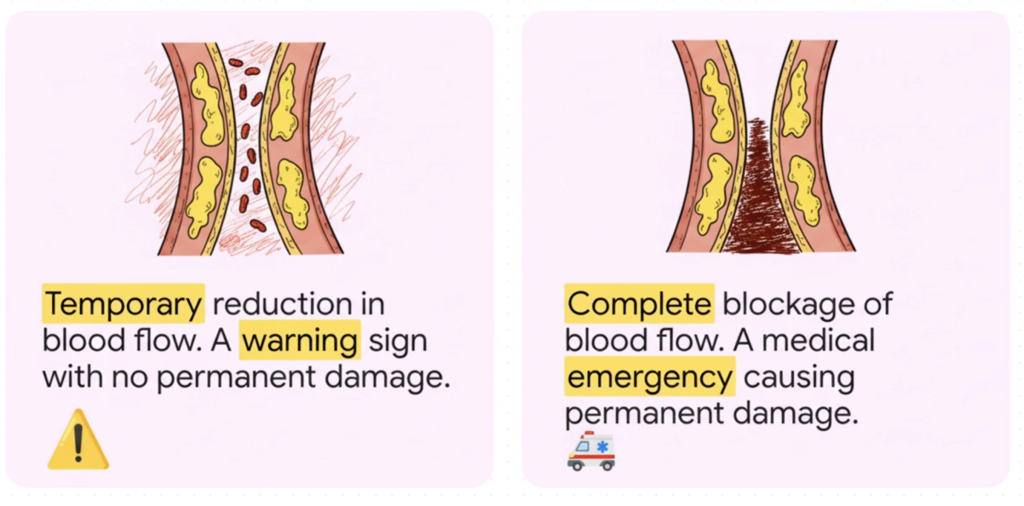
However, angina is still an important warning sign. It indicates that the heart is under strain and that coronary artery disease is present. Managing angina early can help prevent a heart attack in the future.
How Is It Treated?
Treatment depends on the severity of symptoms and the underlying cause. Lifestyle changes play a key role, including adopting a heart-healthy diet, staying active, maintaining a healthy weight, and stopping smoking if relevant.
Medication may also be prescribed to widen the arteries, reduce the heart’s workload, lower cholesterol, or prevent blood clots. In some cases, procedures such as angioplasty and stent placement or coronary artery bypass surgery may be recommended to improve blood flow. Regular follow-up with a cardiologist is important to monitor symptoms and adjust treatment as needed.
When Should You Seek Medical Advice?
You should seek immediate medical help if chest pain becomes more frequent, appears at rest, lasts longer than usual, or feels more severe. These could be signs of unstable angina or a developing heart attack. Any sudden or intense chest pain should be treated as an emergency and assessed by calling 999.
If your symptoms are mild or occur only during exertion, it is still important to arrange an assessment. You can contact us here to book a consultation and discuss your symptoms with a specialist.
Conclusion
Angina is a sign that the heart is not receiving enough blood flow during times of increased demand. Although it is not a heart attack, it indicates an underlying problem that deserves attention. Recognising the symptoms early, understanding the causes, and seeking timely assessment can help prevent more serious complications.
At West Kent Cardiology Partnership, we provide thorough investigations and personalised care for patients experiencing angina or other heart-related symptoms. Whether you’re seeking reassurance, diagnosis, or long-term management, our team is here to support you.
